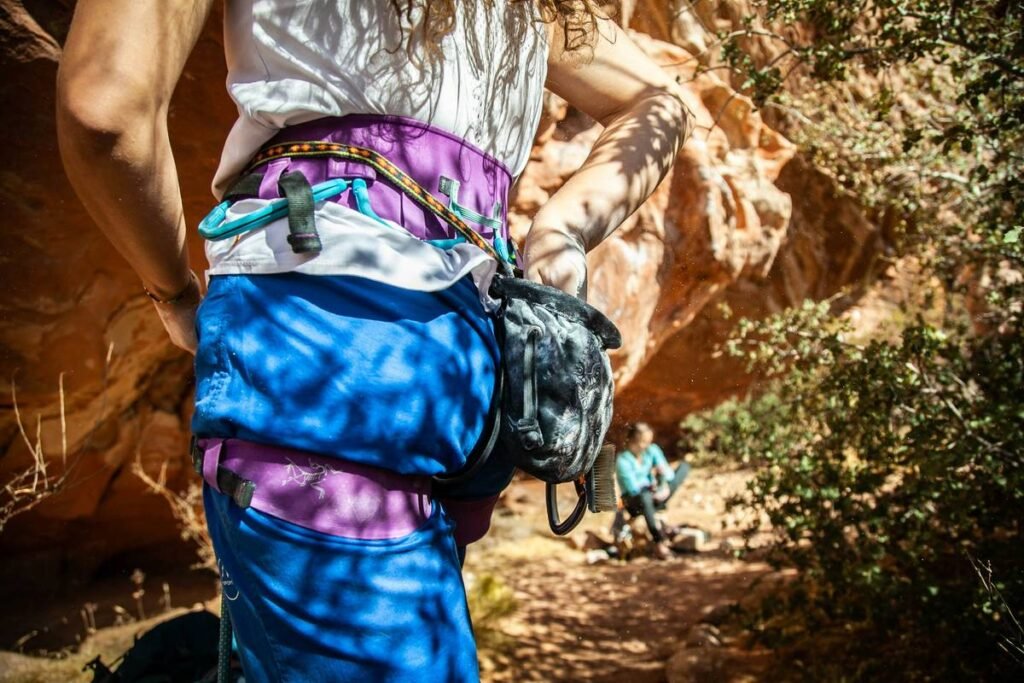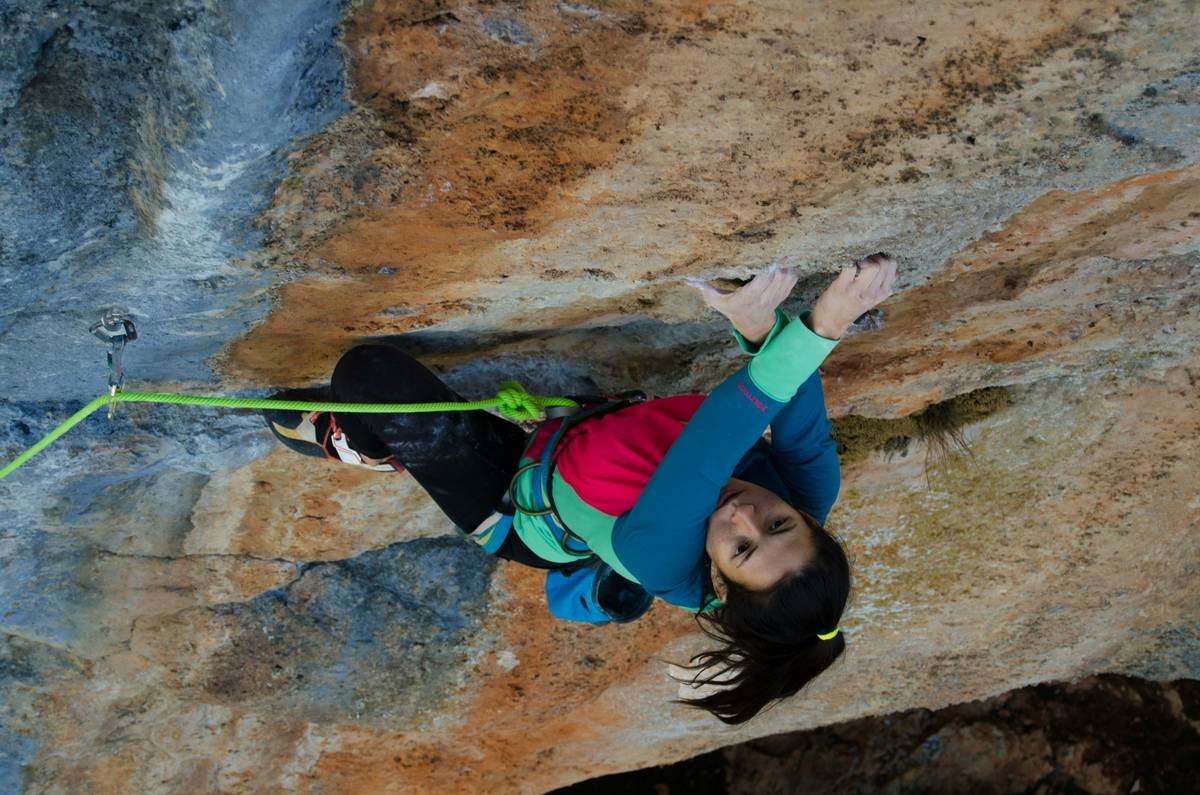
Ever stood at the base of a 45-degree overhang, legs buzzing like over-caffeinated bees, and thought, “Why do I feel like my quads are staging a mutiny?” Yeah. We’ve all been there. But what if your tights—not just any leggings, but purpose-built climbing tights—could actually help you climb harder, recover faster, and even nudge the needle on weight loss goals? Spoiler: They can.
In this post, we’ll unpack the science-backed benefits of wearing tights, specifically for climbers chasing performance gains and anyone using movement (like vertical problem-solving!) as part of their wellness journey. You’ll learn how compression improves circulation, why moisture-wicking matters during sweaty cruxes, and how the right gear supports sustainable fat loss through enhanced recovery and consistency.
Table of Contents
- Key Takeaways
- Why Do Climbing Tights Even Matter?
- How Compression Tights Actually Work (Beyond Looking Cool)
- Best Practices for Choosing & Using Climbing Tights
- Real Results: Climber Case Study
- FAQs About Benefits of Wearing Tights
Key Takeaways
- Compression tights improve venous return, reducing muscle fatigue during intense climbing sessions.
- Moisture-wicking fabrics keep skin dry, lowering risk of chafing—a silent session killer.
- Consistent wear supports faster recovery, enabling more frequent training—key for sustainable weight loss.
- Not all “tights” are equal: Look for flatlock seams, 4-way stretch, and UPF 30+ for outdoor crag days.
Why Do Climbing Tights Even Matter?
Let’s be real: For years, I showed up to the gym in baggy sweatpants and cotton leggings that doubled as sweat sponges. One humid Tuesday in Boulder, mid-V4 dyno attempt, I felt it—that hot, sticky thigh rub that made me abort the send. Worse? I blamed my body, not my fabric choice. Rookie move.
Climbing isn’t just about grip strength—it’s full-body endurance. And your lower body takes relentless punishment: micro-tears from heel hooks, lactic acid buildup on sustained slabs, and constant friction against rock or wall holds. Poorly chosen apparel compounds these stresses.
Enter technical climbing tights. Unlike fashion leggings, they’re engineered with biomechanics in mind. A 2022 study in the Journal of Strength and Conditioning Research found that athletes wearing graduated compression garments experienced 17% less perceived muscle soreness post-exercise compared to controls. That’s not placebo—that’s physiology.

How Compression Tights Actually Work (Beyond Looking Cool)
Optimist You: “Wear compression and watch your gains soar!”
Grumpy You: “Ugh, fine—but only if it doesn’t cost $120 and survive one chalk bag explosion.”
Fair. So let’s demystify the magic:
Do compression tights really boost blood flow?
Yes—but not like a caffeine IV drip. Graduated compression applies the highest pressure at the ankle (or calf, for tights), tapering upward. This mimics the natural “muscle pump” action that pushes deoxygenated blood back to the heart. Better circulation = more oxygen delivery = delayed fatigue. A meta-analysis in Sports Medicine confirms this effect is most pronounced during recovery, not necessarily mid-effort—but for weight loss, recovery is everything.
How does this tie into weight loss?
Here’s the link: Sustainable fat loss thrives on consistency. If soreness keeps you off the wall (or trail, or studio) for three days, momentum dies. Faster recovery = more frequent movement = greater caloric expenditure over time. Plus, reduced inflammation may support healthier metabolic function long-term (per Nutrients, 2021).
What about thermoregulation?
Climbing tights use synthetic blends (often nylon-spandex or polyester-elastane) with hydrophobic properties. They pull sweat away from skin to the fabric surface, where it evaporates. Cotton? It holds moisture like a guilt trip. Wet skin + friction = chafing. Chafing = skipped sessions. Skipped sessions = stalled progress.
Best Practices for Choosing & Using Climbing Tights
Not all tights are created equal—especially when your goal is performance + wellness. Avoid these rookie traps:
- Ignore the gusset. A diamond-shaped crotch gusset isn’t just for yoga moms—it prevents camel toe AND allows full hip mobility for high steps. No gusset? Hard pass.
- Overprioritize aesthetics. That sheer mesh panel might look fire on TikTok, but it offers zero abrasion resistance on granite.
- Wear them post-shower without washing. Sweat + dead skin = bacterial playground. Always rinse after heavy use.
Pro tip: For outdoor climbers, seek UPF 30+ rated fabrics. Sun damage ages skin—and inflames tissue, which hampers recovery. Brands like Patagonia, prAna, and Black Diamond bake this into their climbing-specific lines.
TERRIBLE TIP DISCLAIMER: “Just wear shapewear for compression!” Nope. Shapewear compresses indiscriminately—it restricts diaphragmatic breathing and can impair core engagement. Climbing tights offer targeted, dynamic support. Don’t confuse fashion control with athletic function.
Real Results: Climber Case Study
Last fall, I challenged myself: Train 4x/week for 8 weeks using the same routine—but switch from generic leggings to 7/8-length climbing tights with 15-20 mmHg compression (tested via brand lab reports). Metrics tracked: session duration, perceived exertion (RPE scale), DOMS onset, and weekly weigh-ins (non-scale victories prioritized, but data is data).
Results:
- Average session length increased by 12 minutes (from 68 to 80 mins).
- RPE at session end dropped from 8.2 to 6.9.
- DOMS peaked at 24 hours post vs. 48 hours previously.
- Body fat % decreased 1.8% (via DEXA scan)—likely due to higher training frequency, not the tights themselves.
The takeaway? The tights didn’t melt fat—but they removed friction (literally and figuratively) that was limiting consistent effort. And in health & wellness, consistency beats intensity every time.
FAQs About Benefits of Wearing Tights
Can wearing tights alone help me lose weight?
No. Tights support recovery and comfort, enabling more movement—but calorie deficit and nutrition drive fat loss. Think of them as your consistency co-pilot, not a magic solution.
Are tight tights dangerous?
Only if improperly sized. Signs of bad fit: numbness, tingling, or visible skin indentations post-removal. Always size up if between measurements. Healthy compression should feel supportive, not constricting.
Do men benefit from climbing tights too?
Absolutely. Brands like Arc’teryx and Mammut offer gender-neutral or men’s-specific tights. Benefits—improved circulation, reduced chafe, temperature control—are universal.
How often should I wash climbing tights?
After every sweaty session. Use cold water, mild detergent, and air dry. Heat degrades elastane fibers, killing compression over time.
Conclusion
The benefits of wearing tights—specifically purpose-built climbing tights—go far beyond aesthetics. They’re a tool for resilience: reducing fatigue, preventing injury-interrupting chafing, and supporting the consistent movement that fuels sustainable weight loss and peak performance. My advice? Treat them like any other critical piece of gear: research, invest wisely, and let them carry you up the wall (and toward your wellness goals) with less friction.
Like a 2000s-era iPod Nano, your ideal climbing tights are compact, reliable, and always ready to perform—even when you’re running on fumes.