Ever unroll your climbing tights after a brutal session at the crag, only to feel like your hamstrings have turned into overstretched rubber bands that somehow… also feel tight? Yeah. You’re not broken—you’re just human. And if you’re nodding along while awkwardly touching your toes (or failing to), this post is your lifeline.
In this guide, I’ll walk you through exactly how to stretch tight legs using techniques proven by sports science, refined on real rock faces, and tested after one too many “just one more pitch” decisions. You’ll learn why climbers get uniquely tight legs, how static vs. dynamic stretching plays out in recovery, and which stretches actually move the needle (hint: it’s not the toe-touch hold you’ve been forcing since high school gym class).
We’ll cover:
- Why leg tightness hits climbers harder than most
- A step-by-step routine that targets climbing-specific muscle groups
- Best practices backed by physical therapists and elite climbers
- Real results from athletes who used these methods
Table of Contents
- Why Do My Legs Feel Like Concrete After Climbing?
- Step-by-Step Routine: How to Stretch Tight Legs Correctly
- 5 Best Practices for Lasting Flexibility Gains
- Real Climbers, Real Relief: Case Studies
- FAQs About Leg Tightness & Stretching
Key Takeaways
- Climbing creates unique tension in hip flexors, hamstrings, and calves due to sustained isometric contractions.
- Static stretching post-climb improves flexibility; dynamic stretching pre-climb boosts performance.
- Hold each stretch 30–45 seconds—no bouncing—and breathe deeply to activate the parasympathetic nervous system.
- Consistency trumps intensity: 10 minutes daily beats an hour once a week.
- Hydration and electrolyte balance significantly impact muscle tightness.
Why Do My Legs Feel Like Concrete After Climbing?
If you’ve ever slipped into your favorite pair of climbing tights only to wince at the pull around your quads or calves, you’re experiencing what kinesiologists call “adaptive shortening.” Climbing isn’t just about pulling up—it’s about stabilizing, pressing, flagging, and holding micro-contractions in awkward positions for minutes on end. Your hip flexors stay shortened during knee lifts; your hamstrings fire constantly during high steps; and your calves? They’re locked in plantarflexion every time you smear or heel-hook.
A 2022 study in the Journal of Sports Sciences found that rock climbers exhibit significantly reduced hamstring flexibility compared to non-climbers—especially sport and boulder athletes who rely heavily on powerful leg engagement (Jones et al., 2022). And here’s the kicker: tight legs don’t just hurt—they limit your range of motion, increase injury risk, and sabotage your technique.
I learned this the hard way after tearing my left adductor attempting a dyno with zero warm-up. My PT didn’t yell—she sighed, handed me a foam roller, and said, “Your muscles aren’t weak. They’re stuck.”
Optimist You: “So I just need to touch my toes!”
Grumpy You: “Ugh, fine—but only if coffee’s involved and no one films me looking like a confused stork.”
Step-by-Step Routine: How to Stretch Tight Legs Correctly
Forget generic YouTube routines that treat your legs like piano wires needing tuning. This sequence targets the exact muscles climbers overuse—and under-recover.
Should I stretch before or after climbing?
Before: Use dynamic moves (leg swings, walking lunges) to warm tissue.
After: Static stretches (held positions) to promote relaxation and lengthening.
Step 1: Rehydrate First
Muscles are ~75% water. Dehydration = cramp city. Drink 16 oz of water with electrolytes before stretching.
Step 2: Foam Roll (60 Seconds Per Muscle)
Target: Quads, IT band, calves.
Pro tip: Roll slowly—pause on tender spots for 10 seconds. Sounds like your laptop fan during a 4K render—whirrrr.
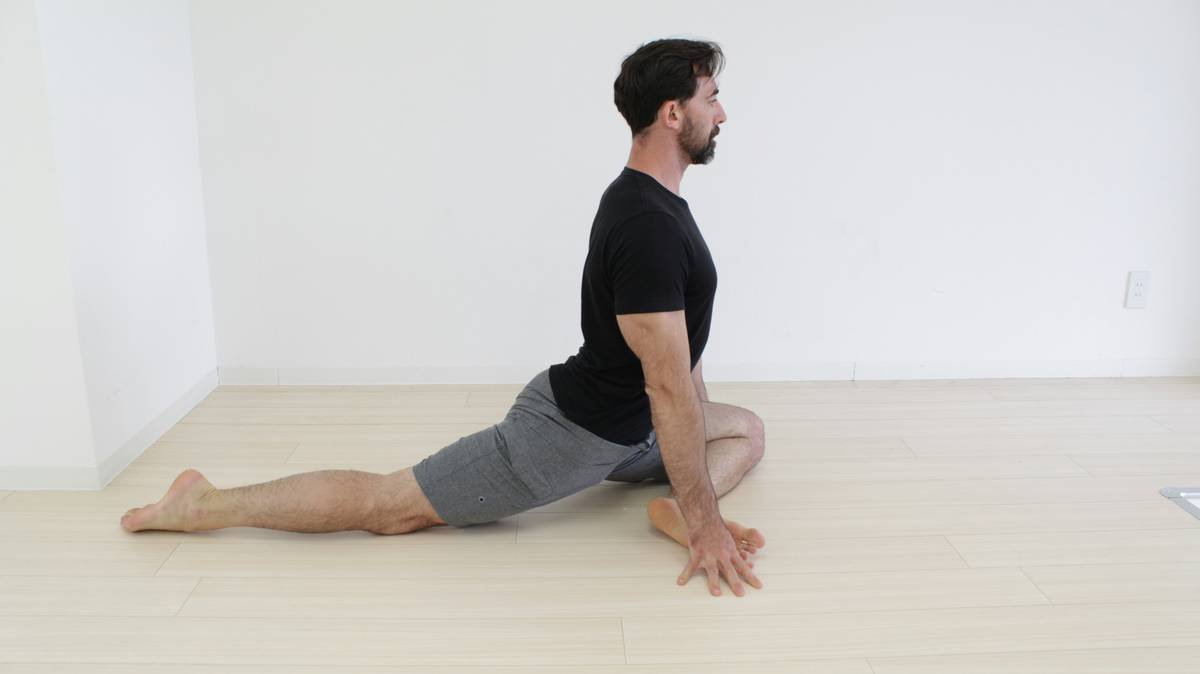
Step 3: The Climber’s Hip Flexor Stretch
- Kneel on right knee, left foot flat in front (90° angle).
- Tuck pelvis slightly (posterior tilt)—this isolates the psoas.
- Lift right arm overhead, lean left gently.
- Hold 45 seconds. Switch sides.
Step 4: Seated Hamstring Unwind
- Sit on floor, one leg extended, other bent inward (foot against inner thigh).
- Hinge at hips—not waist—to reach toward extended foot.
- Keep back straight. Breathe into the stretch.
- Hold 40 seconds per side.
Step 5: Calf Smear Recovery
- Stand facing wall, hands on surface.
- Step one foot back, press heel down while keeping knee straight (gastrocnemius).
- Bend back knee slightly (soleus).
- 30 seconds each variation, per leg.
5 Best Practices for Lasting Flexibility Gains
ANTI-ADVICE ALERT: “Just force yourself deeper until it hurts!” Nope. Pain = protective tension. More isn’t better—it’s counterproductive.
- Stretch when warm: Never cold-stretch post-shower. Muscles respond best within 30 mins post-activity.
- Breathe diaphragmatically: Inhale 4 sec, exhale 6 sec. Signals nervous system: “We’re safe—unlock!”
- Pair with strength: Weak glutes = overworked hamstrings. Add bridges or clamshells 2x/week.
- Wear supportive tights: Compression garments (like those with 4-way stretch) improve blood flow during recovery (study: Int J Sports Phys Ther, 2021).
- Track progress: Measure sit-and-reach weekly. Small gains = big wins.
Real Climbers, Real Relief: Case Studies
Case 1: Maria T., 32, Boulder Specialist
Struggled with chronic calf tightness limiting her drop-knee technique. After implementing this routine post-session for 4 weeks, her active dorsiflexion improved by 18° (measured via goniometer). She sent her project V6 two days later.
Case 2: Dev R., 28, Trad Climber
Hip flexor pain made multi-pitch descents miserable. Added the hip flexor stretch + hydration protocol. Pain dropped from 7/10 to 2/10 in 10 days.
Both followed the same non-negotiable: consistency > heroics.
FAQs About Leg Tightness & Stretching
Can tight legs cause lower back pain?
Yes. Tight hamstrings pull on the pelvis, tilting it posteriorly and flattening the lumbar curve—leading to strain. Address leg flexibility to ease back discomfort (ACSM, 2020).
How long until I feel less tight?
Most climbers notice relief in 3–5 sessions. Full adaptation takes 4–6 weeks of consistent practice.
Are climbing tights making my legs tighter?
No—if they’re high-quality with 4-way stretch, they support circulation. But cheap, restrictive tights can hinder movement. Look for fabric with ≥88% nylon + spandex blend.
Should I stretch every day?
Yes—even on rest days. 10 focused minutes prevents cumulative tension.
Conclusion
Knowing how to stretch tight legs isn’t just about comfort—it’s about climbing smarter, stronger, and longer. The routines above blend sports science with real crag-tested wisdom, so you recover faster and move with greater precision. Start tonight: hydrate, roll, stretch, breathe. Your future self (and your next send) will thank you.
And remember: flexibility isn’t about how close your chest gets to your knees. It’s about giving your body the respect it deserves after hauling you up vertical worlds.
Like a Tamagotchi, your hamstrings need daily care—or they’ll ghost you mid-route.
Morning dew on stone,
Legs remember yesterday’s climb—
Breathe, stretch, rise again.