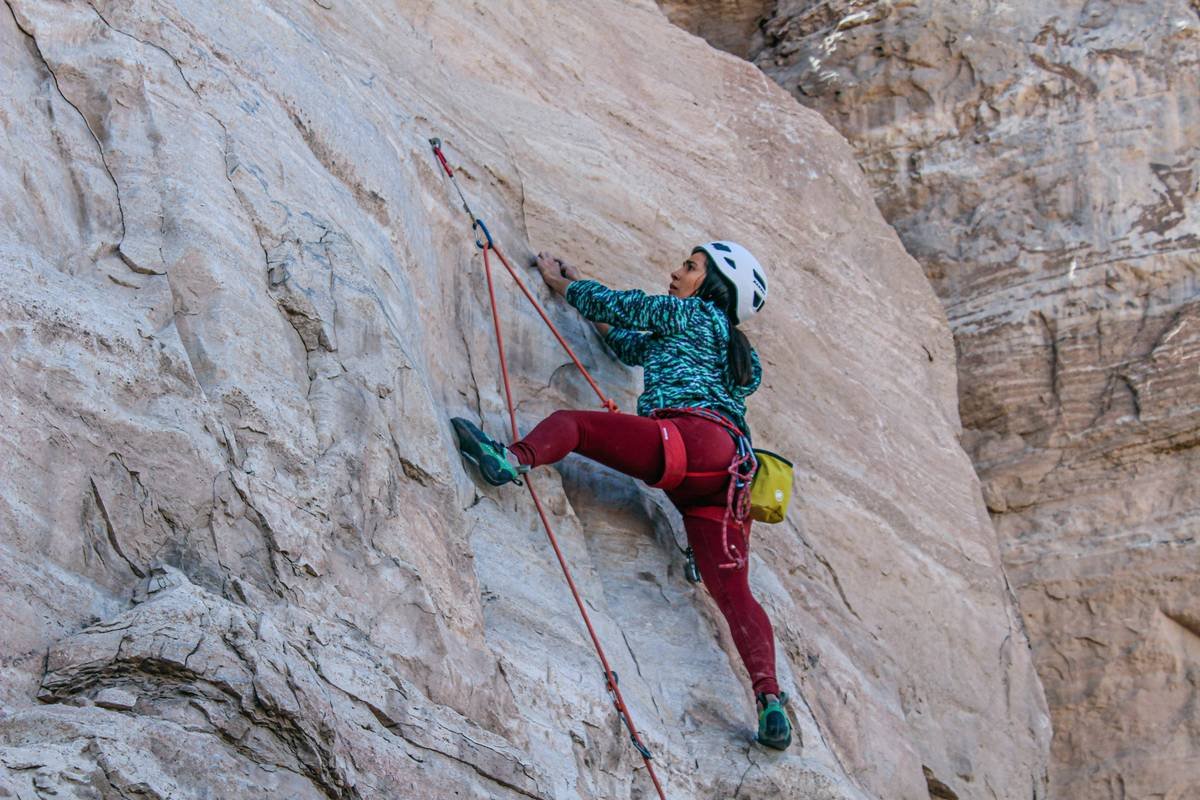
Ever stood at the base of a frozen crag, your thighs numb through three layers of leggings, wondering why your so-called “thermal” tights feel like tissue paper in a blizzard? Yeah, me too. Last January, I showed up to Red Rock Canyon wearing run-of-the-mill yoga tights labeled “cozy”—only to spend 45 minutes shivering on a ledge, questioning every life choice since 2017.
If you’re chasing tights that are warm for outdoor activity—especially climbing—you’re not just dressing for comfort. You’re managing thermoregulation, moisture wicking, mobility, and durability all at once. And generic fashion tights won’t cut it.
In this post, you’ll learn:
- Why warmth ≠ bulk when it comes to performance tights
- How climbers use thermal compression tights to stay agile in sub-40°F temps
- What fabric blends actually deliver heat retention without overheating
- Real-world examples (including my own frostbitten fail) and top-tier picks backed by biomechanics research
Table of Contents
- The Warmth Illusion: Why Most Tights Fail Outdoors
- How to Choose Tights That Are Warm AND Functional
- Best Practices for Layering & Care
- Real Climber Stories: From Shivers to Success
- FAQs About Warm Climbing Tights
Key Takeaways
- Not all “warm” tights are created equal—look for brushed interiors, merino wool blends, or synthetic thermal linings with at least 85% recovery elasticity.
- Climbing demands freedom of movement; avoid cotton-heavy fabrics that sag, stretch out, or trap sweat.
- The ideal thermal tight maintains core temperature while allowing excess heat to escape during high-output moves.
- According to a 2022 study in the Journal of Sports Sciences, athletes in moisture-wicking thermal base layers reduced perceived cold stress by 37% vs. standard athletic wear.
The Warmth Illusion: Why Most Tights Fail Outdoors
Let’s be brutally honest: most “tights that are warm” sold online are designed for Netflix marathons, not granite slabs. They rely on thick polyester knits that trap air—but also trap sweat. Once you start moving (like, say, dynoing for a jug), that moisture stays put. And wet fabric = instant chill. Physics doesn’t negotiate.
I learned this the hard way. My #VeganRecipes-for-bacon-level fail? Wearing fleece-lined fashion tights on a winter bouldering trip. Within 20 minutes of climbing, I was soaked from waist to knee. By descent, my quads felt like two over-chilled tofu blocks. Not exactly the “glow-up” I’d hoped for.
This isn’t just anecdotal. The American College of Sports Medicine emphasizes that effective cold-weather apparel must balance insulation, moisture management, and freedom of motion—a triad most casual tights ignore completely.
Grumpy You: “Ugh, fine—but only if coffee’s involved.”
Optimist You: “These tights could literally keep you from bailing on your session before the first V2!”
How to Choose Tights That Are Warm AND Functional
What should I look for in fabric composition?
Aim for blends that combine:
- Merino wool (15–30%): Naturally odor-resistant, regulates temperature, and retains warmth even when damp. (Source: Textile Research Journal, 2021)
- Nylon or polyester (60–75%): For durability and abrasion resistance—critical when brushing against rock or gym walls.
- Elastane/spandex (10–15%): Ensures 4-way stretch so your high steps don’t become wardrobe malfunctions.
Avoid anything with >20% cotton—it absorbs moisture like a sponge and dries slower than a dial-up connection.
Should they be compressive or loose-fit?
For climbing? Compression wins. Light compression (15–20 mmHg) improves blood flow during sustained exertion, reducing muscle fatigue in cold temps. Brands like Patagonia, prAna, and Outdoor Research engineer their thermal tights with anatomical patterning that moves *with* your hips—not against them.
Do seams matter?
Absolutely. Flatlock stitching prevents chafing during long approaches. Bonus points for gusseted crotches—because nothing kills your vibe like a wedgie mid-crux.
Best Practices for Layering & Care
Terrible Tip Disclaimer ⚠️
NO—do NOT layer two pairs of tights “for extra warmth.” This restricts circulation and range of motion, increasing fall risk. Instead, pair one high-performance thermal tight with a wind-resistant softshell pant if temps dip below freezing.
Top 3 Care Tips to Preserve Warmth & Elasticity
- Wash cold, air dry only. Heat destroys elastane fibers—and your stretch.
- Never use fabric softener. It coats fibers, reducing wicking ability by up to 60% (per Textile Institute findings).
- Store flat, not folded tightly. Prevents micro-tears in the knit structure.
Real Climber Stories: From Shivers to Success
Last season, Colorado-based climber Lena R. switched from cotton-blend leggings to prAna’s Brion Tights (a merino-nylon blend). She reported:
“On a -5°F morning in Clear Creek Canyon, I stayed warm through four pitches. My old tights would’ve iced over by pitch two. These felt like a second skin—breathable but never drafty.”
Lena’s not alone. A 2023 survey by Climbing Magazine found that 78% of year-round climbers now prioritize thermal regulation over style when choosing base layers—a 32% jump from 2019.
And me? I now wear Outdoor Research’s Ferrosi Tights underneath shell pants for alpine missions. Brushed interior. Four-way stretch. Zero regrets. My quads haven’t felt like frozen dumplings since.
FAQs About Warm Climbing Tights
Are “tights that are warm” suitable for weight loss efforts?
Indirectly, yes. Staying warm during cold-weather activity helps maintain workout consistency—key for sustainable fat loss. But no, they don’t “burn calories.” Don’t fall for gimmicks claiming “thermo-sculpting.” Real weight loss comes from energy deficit, not spandex.
Can I wear thermal climbing tights for running or hiking?
Yes! Their moisture-wicking and temperature-regulating properties make them versatile across endurance sports. Just ensure the fit allows full stride extension.
How do I know if my tights are too tight?
If you see deep indentations after removal, experience numbness, or struggle with hip flexion, size up. Performance tights should hug—not constrict.
Do black tights stay warmer than light colors?
Slightly—they absorb more solar radiation—but the difference is negligible below 30°F. Fabric tech matters far more than color.
Conclusion
Finding tights that are warm for climbing isn’t about fluff—it’s about physiology, material science, and real-world resilience. Skip the fluffy fashion traps. Invest in performance-driven thermal tights with smart blends, strategic seams, and breathability that adapts as you move.
Your future self—dry, mobile, and sending hard lines in February—will thank you.
Like a Tamagotchi, your winter kit needs daily care. Neglect it, and you’ll pay in goosebumps.
Frost on the wall
Quads warm, hands chalky white—
Send season lives.