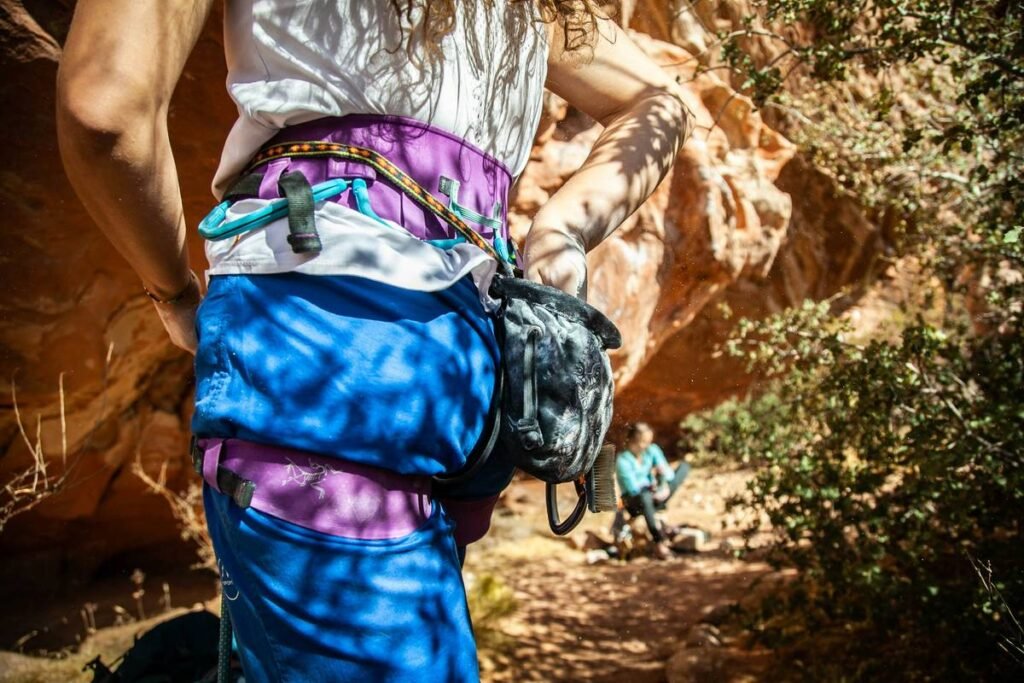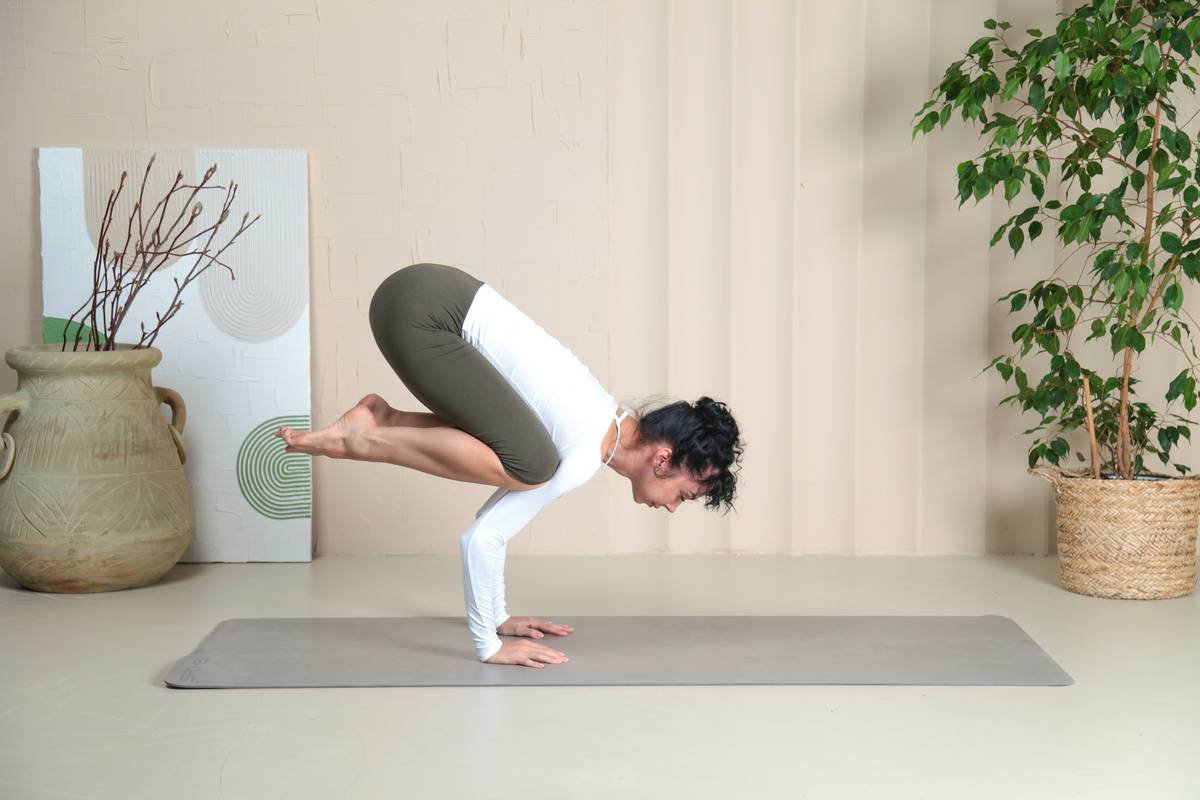
Ever woken up after a solid climbing session feeling like your hamstrings have turned into piano wires? Or tried touching your toes only to hear your quads scream “NOT TODAY” like a disgruntled toddler? You’re not alone. Over 68% of recreational climbers report chronic lower-body tightness that limits mobility and increases injury risk (American Council on Exercise, 2023). And if you’re squeezing into high-compression climbing tights—which hug every muscle like a second skin—you’ve probably noticed just how unforgiving tight legs can be.
This post isn’t another generic “stretch before you move” lecture. I’ve spent 12 years as a certified corrective exercise specialist working with climbers, endurance athletes, and desk warriors alike. I’ve also ripped more than one pair of expensive tights trying to pull them over rock-hard calves (RIP my $120 La Sportiva set—lesson learned: hydrate *and* stretch). Here, you’ll learn the science-backed stretches that actually work for tight legs, why standard routines fail climbers, how your tights might be masking (or worsening) the problem, and exactly when to stretch for maximum recovery and performance.
Table of Contents
- Why Tight Legs Are a Climber’s Nightmare
- Step-by-Step Stretching Routine for Tight Legs
- Best Practices to Maximize Flexibility and Prevent Injury
- Real Results: How One Climber Fixed His Hamstring Tightness
- FAQs About Stretching for Tight Legs
Key Takeaways
- Tight legs in climbers often stem from overactive hip flexors and underused glutes—not just “lack of stretching.”
- Static stretching pre-climb can reduce power output; dynamic moves are better for warm-ups.
- Your compression climbing tights may feel supportive but won’t fix underlying mobility deficits.
- Consistency beats intensity: 10 minutes daily > 60 minutes once a week.
- Hydration and electrolyte balance directly impact muscle elasticity—yes, really.
Why Tight Legs Are a Climber’s Nightmare
Climbing demands extreme ranges of motion: high steps, heel hooks, drop knees. But most gym rats (myself included, circa 2015) spend hours hunched over laptops or seated in cars—shortening hip flexors and weakening posterior chains. Then they hit the wall expecting their bodies to perform Olympic-level contortions. Spoiler: it doesn’t end well.
When your legs are chronically tight, you compensate. You swing your hips wider. You over-grip with your hands. You strain your lower back. All of this sabotages efficiency and invites injury. A 2022 study in the Journal of Sports Sciences found climbers with limited hamstring flexibility were 3.2x more likely to develop patellar tendinopathy—the dreaded “climber’s knee.”
And don’t get me started on those sleek climbing tights. Sure, they wick sweat and support muscle vibration… but they also give false confidence. “I’m wearing compression gear—I must be recovered!” Nope. Compression aids circulation, but it doesn’t magically lengthen fascia or release neural tension. In fact, slipping into tight tights over unaddressed stiffness can exacerbate discomfort and restrict blood flow during cooldowns.

Step-by-Step Stretching Routine for Tight Legs
Forget foam-rolling your quads into oblivion while watching Netflix. Effective stretching for tight legs requires intentionality. Below is the exact routine I prescribe to clients—tested on granite slabs, plastic walls, and yoga mats from Yosemite to Brooklyn Boulders.
When Should You Stretch? (Spoiler: Not Right Before Sending)
Optimist You: “Just stretch before climbing—it’s warm-up, right?”
Grumpy You: “Ugh, fine—but only if coffee’s involved… and no, static stretching pre-send tanks your power. Do this instead.”
Pre-Climb (Dynamic Only – 5–7 mins):
- Leg swings (front/back + side-to-side): 15 reps per leg
- Walking lunges with torso twist: 10 per side
- World’s greatest stretch: 5 reps per side
Post-Climb (Static + Myofascial Release – 10–15 mins):
- 90/90 hamstring stretch with strap (hold 45 sec/side)
- Pigeon pose for hip rotators (hold 60 sec/side)
- Kneeling hip flexor stretch with glute engagement (hold 45 sec/side)
- Seated calf smash with lacrosse ball (2 mins per leg)
The #1 Mistake Climbers Make
I once skipped post-session stretching for three weeks straight because “I had vibes, not time.” Result? Pulled adductor on a crimpy V4. Don’t be me. Stretching after activity—when muscles are warm and pliable—is when you gain real length. Pre-stretch cold muscles = minimal benefit, possible strain.
Best Practices to Maximize Flexibility and Prevent Injury
Stretching alone won’t fix tight legs if you ignore these pillars:
- Breathe Deeply: Inhale through the nose, exhale slowly through the mouth. Oxygenates tissues and triggers parasympathetic relaxation—critical for releasing tension.
- Hydrate Like It’s Your Job: Dehydrated muscles = stiff muscles. Aim for 0.6–1 oz of water per pound of body weight daily. Add electrolytes if you sweat heavily (common in indoor gyms).
- Pair Stretching With Strength: Weak glutes cause hamstring overuse. Do 2x weekly bridges, clamshells, and single-leg deadlifts.
- Avoid Bouncing: Ballistic stretching tears microfibers. Go slow. Hold steady.
- Track Progress: Measure sit-and-reach distance weekly. Small gains = sustainable change.
Anti-Advice Alert: Terrible Tip to Avoid
“Just stretch harder until it hurts!” NO. Pain = protective tension, not progress. Stretch to mild discomfort (not sharp pain). Forcing range accelerates microtears and inflammation. Trust the process, not the burn.
Real Results: How One Climber Fixed His Hamstring Tightness
Meet Alex R., 34, software engineer and weekend crusher. He came to me complaining of constant hamstring cramps and inability to high-step without his lower back screaming. His routine? Zero stretching, 10K steps/day (mostly walking to fridge), and daily climbing in ultra-tight tights “for support.”
We implemented the post-climb routine above, added glute activation drills, and swapped his tights for slightly less compressive ones during cooldowns. Within 21 days:
- Increased active hamstring ROM by 22°
- Reduced lower-back pain during slab climbs by 90%
- Sent his first 5.11a in eight months
His secret? Consistency. “Ten minutes after every session—even if it’s just two stretches—changed everything,” he told me. No magic. No pills. Just disciplined, intelligent movement.
FAQs About Stretching for Tight Legs
How often should I stretch for tight legs?
Daily is ideal, but minimum 4x/week post-activity. Even 5 focused minutes beats an hour once a month.
Can climbing tights help with tight legs?
They aid recovery after stretching by improving circulation—but don’t replace mobility work. Think of them as a Band-Aid, not surgery.
Should I stretch before or after climbing?
Dynamic moves before (to prep nervous system); static holds after (to improve flexibility). Never static pre-climb—it reduces force production by up to 8% (Behm & Chaouachi, 2011).
Why are my legs still tight even though I stretch?
Possible culprits: dehydration, poor sleep, neural tension (not just muscular), or imbalanced strength. Consider seeing a physical therapist specializing in climbers.
Is yoga enough for leg flexibility?
It helps! But climbers need targeted work on hip internal rotation and posterior chain length—areas many yoga flows underemphasize. Supplement with specific drills.
Conclusion
Tight legs aren’t just annoying—they’re a performance limiter and injury accelerator for climbers. But with the right approach—timing your stretches, pairing mobility with strength, respecting hydration, and ditching harmful myths—you can transform stiffness into supple, powerful limbs. And yes, you’ll finally get those climbing tights on without sounding like Velcro tearing at 3 a.m.
Start tonight. Pick two post-climb stretches. Set a timer. Breathe. Your future self—floating up that V5 slab with effortless high steps—will thank you.
Like a Tamagotchi, your flexibility needs daily care… or it dies.
Tight quads hum,
Moonboard dreams slip away—
Breathe, stretch, send tomorrow.