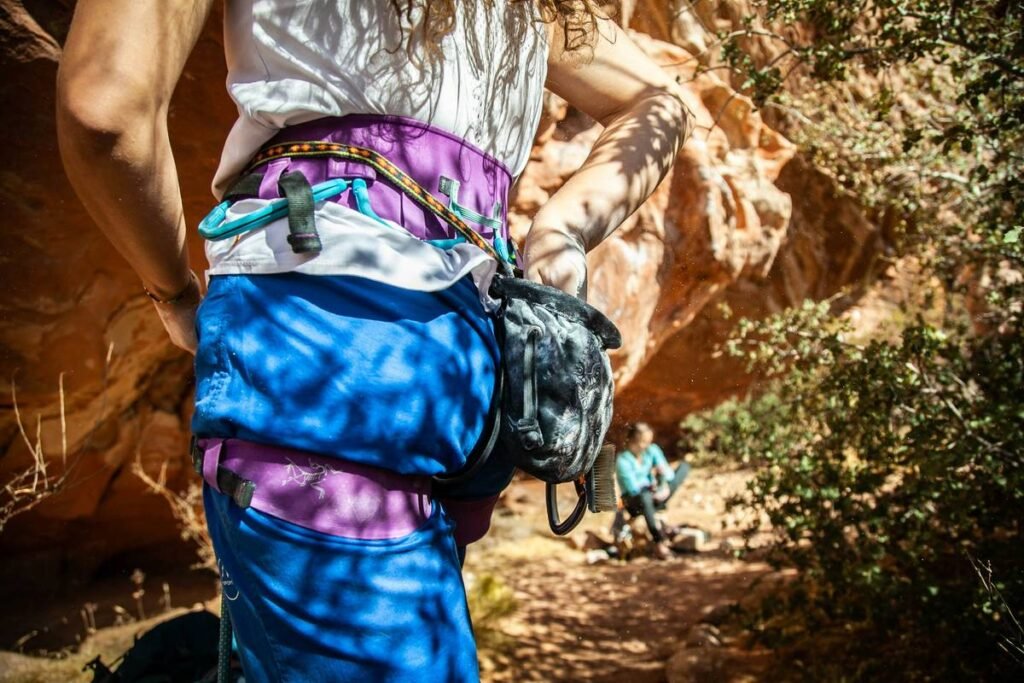
You bought “performance-ready” stretchy climbing tights. They look sleek. They feel soft. But halfway up your project, they’re sliding down, clinging with sweaty static, or worse—ripping at the seam. Frustrating? Absolutely. And you’re not imagining it. The truth is, most so-called “climbing tights” are just yoga pants with a tougher label. Here’s how to fix it—for good.
The Hidden Flaw in Most “Climbing-Grade” Tights
Flex Fit brands love to tout “4-way stretch” and “moisture-wicking” like it’s gospel. But climbing isn’t yoga. It’s torque, friction, and micro-movements that demand precision—not just elasticity. Generic stretchy climbing tights often use spandex-heavy blends that overstretch under load, losing shape after three sessions. They sag at the knees when you heel-hook. They ride up during high steps. And their seams? Sewn for aesthetics, not abrasion resistance against rock or gym holds.
Worse—they compromise proprioception. If fabric bunches or shifts unpredictably, your brain can’t accurately sense limb position. That split-second lag costs sends.
How to Choose & Use Stretchy Climbing Tights That Actually Work
Forget marketing fluff. Focus on function. Here’s what separates gear that endures from gear that ends your session early:
Fabric Integrity Over “Feel”
Aim for a nylon-dominant blend (at least 70%) with minimal spandex—ideally under 15%. More nylon = better abrasion resistance. Less spandex = less bagging out. Yes, it might feel slightly firmer off the rack. But after 20 ascents? Yours still hug like day one.
Seam Placement Is Non-Negotiable
Flatlock stitching along inner thighs and behind knees prevents chafing during smearing or stemming. Avoid side seams that run straight through high-friction zones. Some premium models even use bonded seams—no thread at all.
Compression Should Be Strategic, Not Full-Body
You don’t need medical-grade compression from waist to ankle. Targeted support around quads and glutes stabilizes without restricting hip flexor mobility. Look for graduated tension zones—not uniform squeeze.

| Feature | Budget Tights (<$60) | Mid-Tier (&$60–$100) | Performance-Grade (>$100) |
|---|---|---|---|
| Fabric Blend | 80% Polyester / 20% Spandex | 65% Nylon / 30% Polyester / 5% Spandex | 78% Nylon / 18% Polyester / 4% Elastane |
| Seam Construction | Overlock (standard) | Mixed flatlock + overlock | Full flatlock or bonded |
| Knee Reinforcement | None | Single-layer panel | Double-layer abrasion shield |
| Waistband Security | Elastic only | Internal drawcord + elastic | Wide, silicone-gripped internal band |

The Industry Secret: Pros Wear Them Inside-Out
Here’s something no brand will admit: elite climbers often flip their stretchy climbing tights inside-out before big sessions. Why? The outer surface usually has a brushed finish for comfort—but that texture grabs chalk dust and grime, accelerating wear. The inner layer? Smoother, tighter weave. Worn outward, it slides cleaner against rock, reduces pilling, and actually lasts longer. Try it next time you’re projecting outdoors. Just be ready to explain the reversed tag at the crag.
Frequently Asked Questions
Can I wear regular leggings for climbing?
No. Standard leggings lack abrasion-resistant fabric and strategic seam placement. They’ll wear thin fast—and may tear during heel hooks or knee bars.
How tight should climbing tights be?
Snug but not restrictive. You should squat fully without fabric cutting circulation—or pooling at the ankles. Think “second skin,” not sausage casing.
Do darker colors last longer?
Yes—practically. Dark dyes often bond more tightly to synthetic fibers, slowing UV degradation and hiding chalk stains longer than pastels.