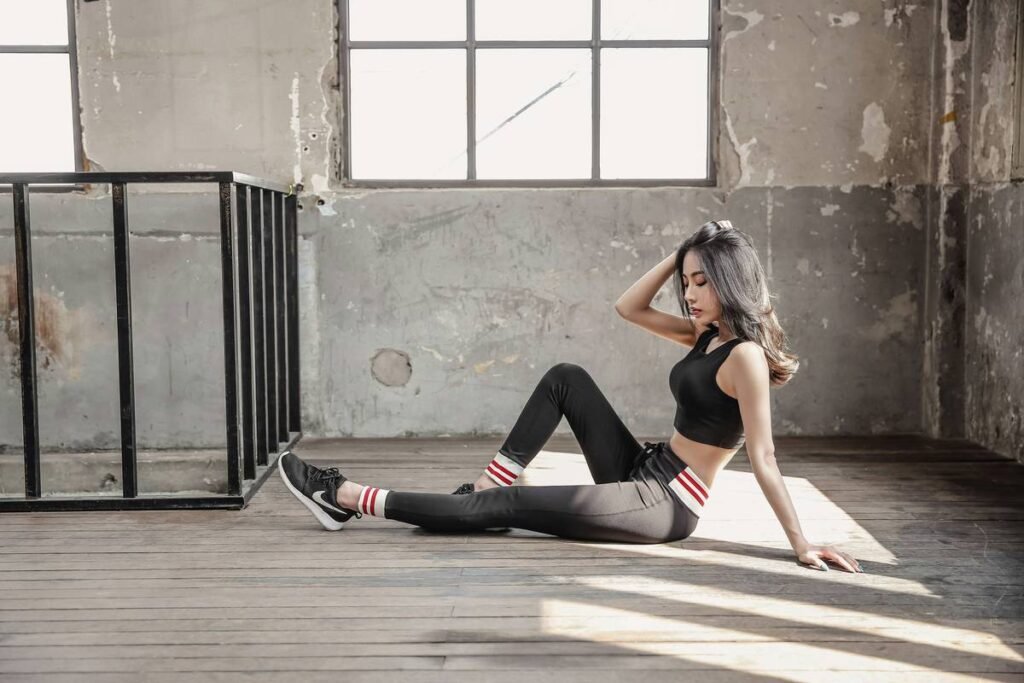
Ever pulled on a pair of climbing tights only to spend your entire session adjusting, itching, or worrying about wardrobe malfunctions? You’re not alone. As someone who’s logged hundreds of hours on indoor walls and alpine crags, I’ve learned the hard way that gear comfort isn’t just about performance—it’s a cornerstone of sustainable health and wellness in climbing. Poorly fitting apparel can lead to chafing, restricted movement, even compromised form that strains joints over time. In this guide, we’ll explore how choosing the right climbing comfortable attire supports both your physical well-being and long-term weight management goals through consistent, enjoyable movement.
Table of Contents
- Why “Climbing Comfortable” Is a Health Priority
- How to Choose Climbing Tights That Actually Work
- Best Practices for Long-Term Wearability
- Real Climbers, Real Results
- FAQs About Climbing Comfort
Key Takeaways
- Comfortable climbing tights reduce friction injuries and support proper biomechanics.
- Fabric composition (nylon-spandex blends) matters more than aesthetics.
- Ideal tights offer four-way stretch, moisture-wicking, and flatlock seams.
- Consistent climbing builds lean muscle, aiding metabolic health and sustainable weight loss.
Why “Climbing Comfortable” Is a Health Priority
Let’s be honest: if your tights ride up, pinch at the waist, or trap sweat against your skin, you’re less likely to climb regularly. And consistency is everything when it comes to weight loss and overall wellness. According to the Centers for Disease Control and Prevention (CDC), adults need at least 150 minutes of moderate-intensity aerobic activity weekly—climbing counts! But discomfort sabotages adherence.
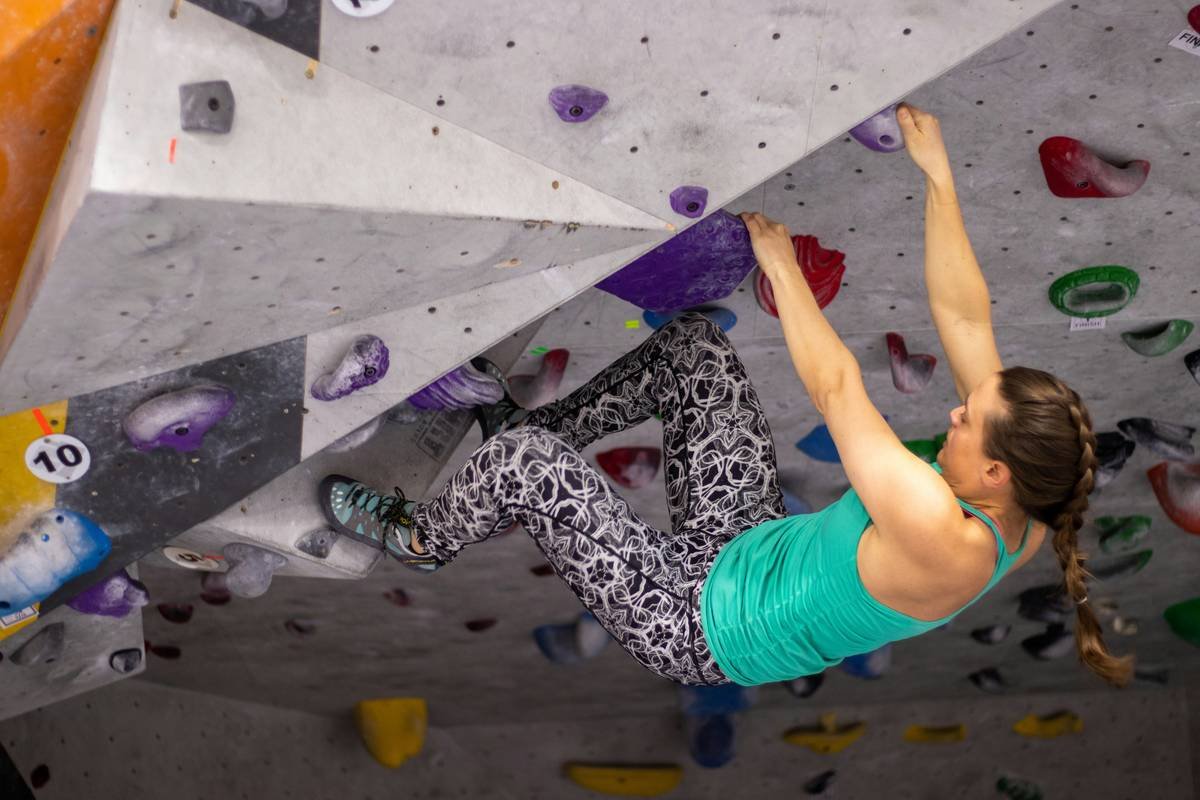
I once wore cotton yoga pants to a weekend bouldering trip because they “looked cute.” Big mistake. By hour two, I was chafed, overheated, and distracted—not exactly the recipe for a productive session. Worse, I skipped climbing for weeks afterward because I associated it with physical irritation. That’s why prioritizing climbing comfortable gear isn’t vanity; it’s preventive health.
How to Choose Climbing Tights That Actually Work
Assess Fabric First
Aim for 88–92% nylon or polyester with 8–12% spandex/elastane. This blend delivers durability, stretch, and quick-drying performance. Avoid cotton—it absorbs sweat and loses shape.
Check Seam Construction
Flatlock seams lie flush against the skin, reducing friction points. Overlock seams? They’ll rub you raw on long routes.
Evaluate Waistband Design
A wide, elastic-free waistband prevents digging and stays put during dynamic moves like high steps or drop knees.
Test Mobility Off the Wall
Before buying, do a deep lunge and overhead reach in-store (or at home). If fabric restricts movement or gaps appear at the hips, keep looking.
Best Practices for Long-Term Wearability
- Wash cold, air dry: Heat degrades spandex. Preserve elasticity by skipping the dryer.
- Rotate pairs: Wearing the same tights daily accelerates wear. Own at least two for regular climbers.
- Size honestly: Don’t size down for a “slimmer look.” Compression should support, not squeeze.
- Avoid “fashion-first” brands: Style matters, but function protects your joints and skin. Prioritize performance fabrics.
And here’s a terrible tip I’ve heard too often: “Just tough it out—comfort doesn’t matter.” Wrong. Discomfort leads to altered movement patterns, which can cause shoulder impingement or hip strain over time. Your gear should disappear so your body can move freely.
Real Climbers, Real Results
Take Sarah K., a recreational climber from Colorado who struggled with inconsistent training due to chafing and overheating. After switching to performance tights labeled “climbing comfortable,” she increased her weekly sessions from one to three. Within six months, she lost 12 pounds—not from dieting, but from sustained activity fueled by gear that supported her body. Her story aligns with research: a 2018 study in the Journal of Obesity found that exercise adherence is the strongest predictor of long-term weight maintenance. When your clothes work with you, not against you, showing up becomes effortless.
That’s the power of truly climbing comfortable apparel—it removes invisible barriers to movement.
FAQs About Climbing Comfort
Are compression tights better for climbing?
Moderate compression can enhance proprioception and reduce muscle vibration, but excessive tightness restricts blood flow. Aim for light-to-medium compression focused on major muscle groups.
Can climbing tights help with weight loss?
Indirectly, yes. Comfortable, functional tights encourage consistent climbing—a full-body workout that burns 500–900 calories per hour, supporting calorie deficit goals.
What’s the best fabric blend for hot climates?
Look for nylon with mesh panels or open-knit zones. Polyester wicks faster but holds odor longer; nylon resists stink better.
How tight should climbing tights be?
Snug enough to stay in place during heel hooks, but loose enough to slide two fingers under the waistband without resistance.
Do I need special tights for bouldering vs. sport climbing?
Not necessarily—but boulderers benefit from reinforced knees, while route climbers prioritize moisture management for longer durations.
Where can I learn more about the health benefits of climbing?
Explore our About Us page to understand our evidence-based approach to movement and wellness.
Choosing gear that honors your body’s needs isn’t indulgence—it’s strategy. When you invest in truly climbing comfortable tights, you’re investing in your future self: stronger, healthier, and still climbing decades from now. Ready to upgrade your kit? Reach out—we’d love to hear what works for you. Just contact us anytime. And rest assured, we protect your data as fiercely as we champion your climbs—see our Privacy Policy for details.
Rope burns fade. Bad gear choices? They stick with you. Climb kind—to your body, and your journey.