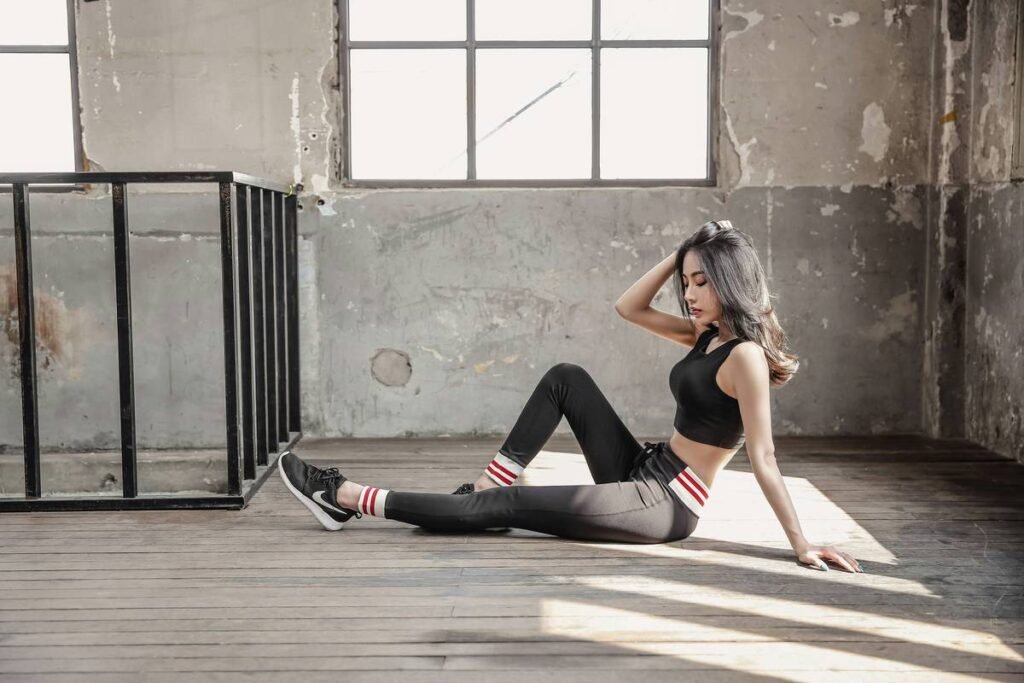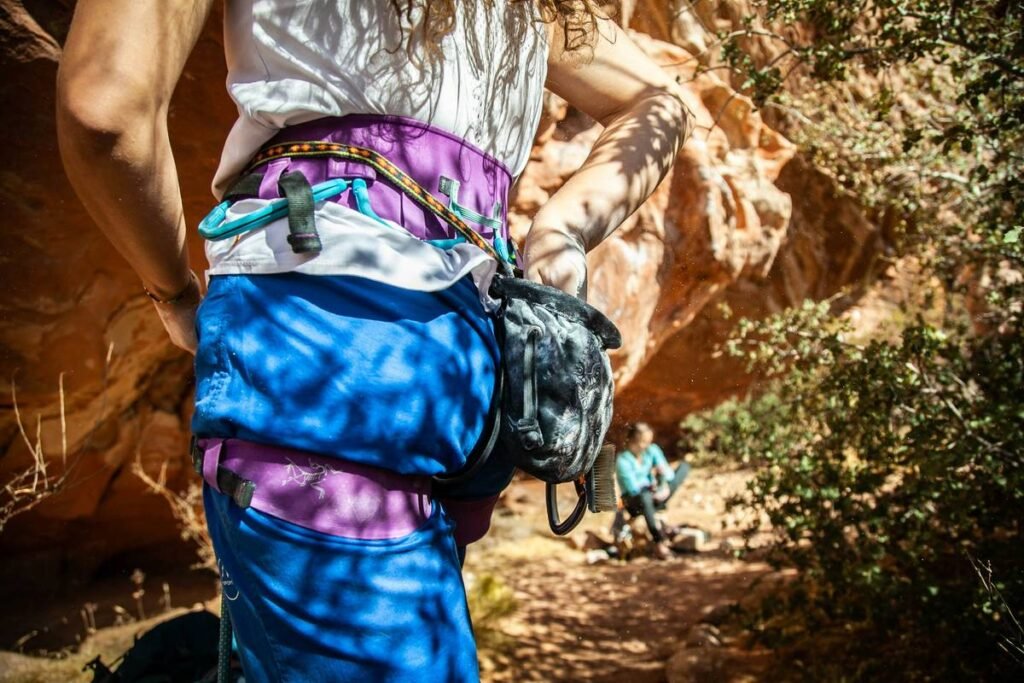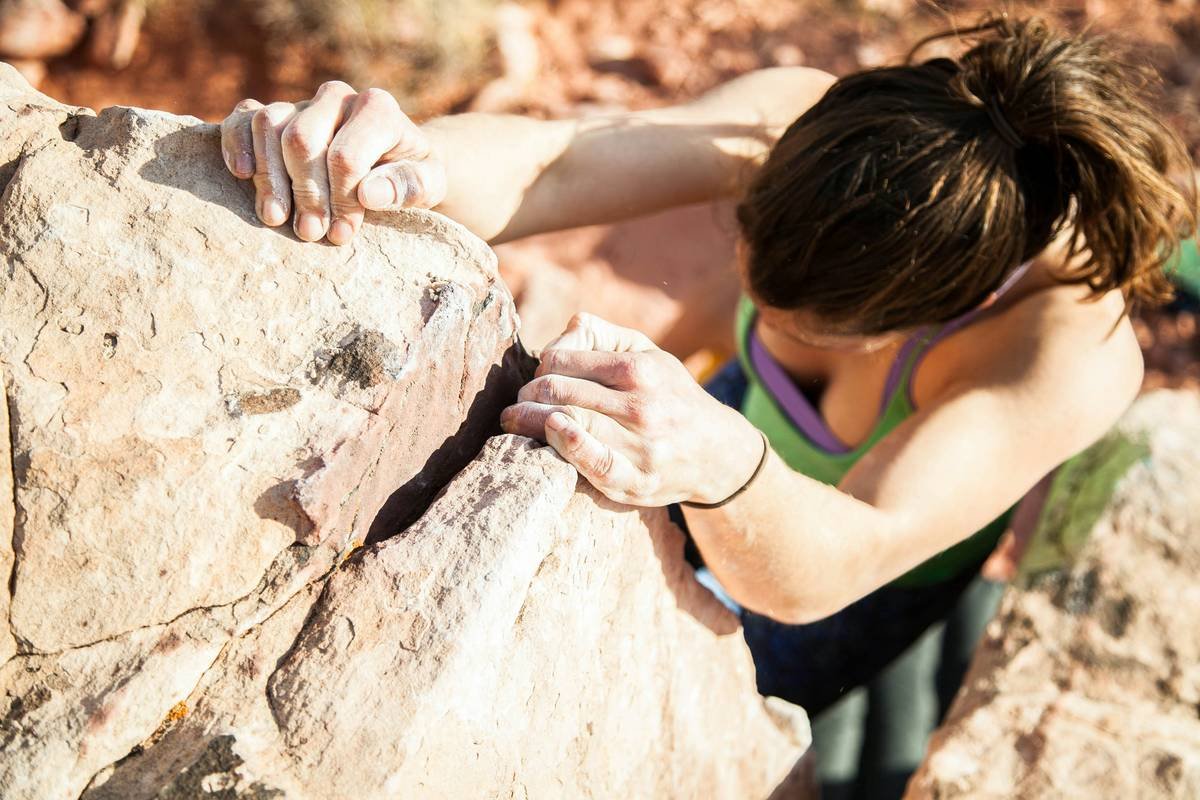
If you’ve ever torn a seam mid-route or felt your tights ride up during a crucial heel hook, you know that not all climbing gear supports your body the way it should. The right pair isn’t just about aesthetics—it’s about performance, safety, and yes, even weight loss through consistent movement. In this guide, we’ll unpack how flexibility fit climbing gear directly impacts your wellness journey, drawing from hard-won lessons (yes, I once showed up to an outdoor session in cotton yoga pants—don’t ask). You’ll learn exactly what to look for, what to skip, and how to move smarter on the wall.
Table of Contents
- Why Flexibility Fit Climbing Matters for Health & Wellness
- How to Choose the Right Climbing Tights: A Step-by-Step Guide
- Top Practices for Comfort, Mobility & Longevity
- Real Climbers, Real Results
- Frequently Asked Questions
Key Takeaways
- Poorly fitted tights restrict movement, reduce caloric burn, and increase injury risk.
- Look for four-way stretch, gusseted crotch, and moisture-wicking fabric.
- Avoid cotton at all costs—it’s a sweat trap that chafes and sags.
- The right gear supports consistency, which is key for sustainable weight management.
- Fit should allow full range of motion without compression cutting off circulation.
Why Flexibility Fit Climbing Matters for Health & Wellness
Climbing isn’t just a sport—it’s a full-body metabolic workout. According to a study published by the National Institutes of Health (NIH), rock climbing can burn between 500–900 calories per hour, depending on intensity and body weight. But here’s the catch: if your clothing hinders movement, you’re not maximizing that burn.
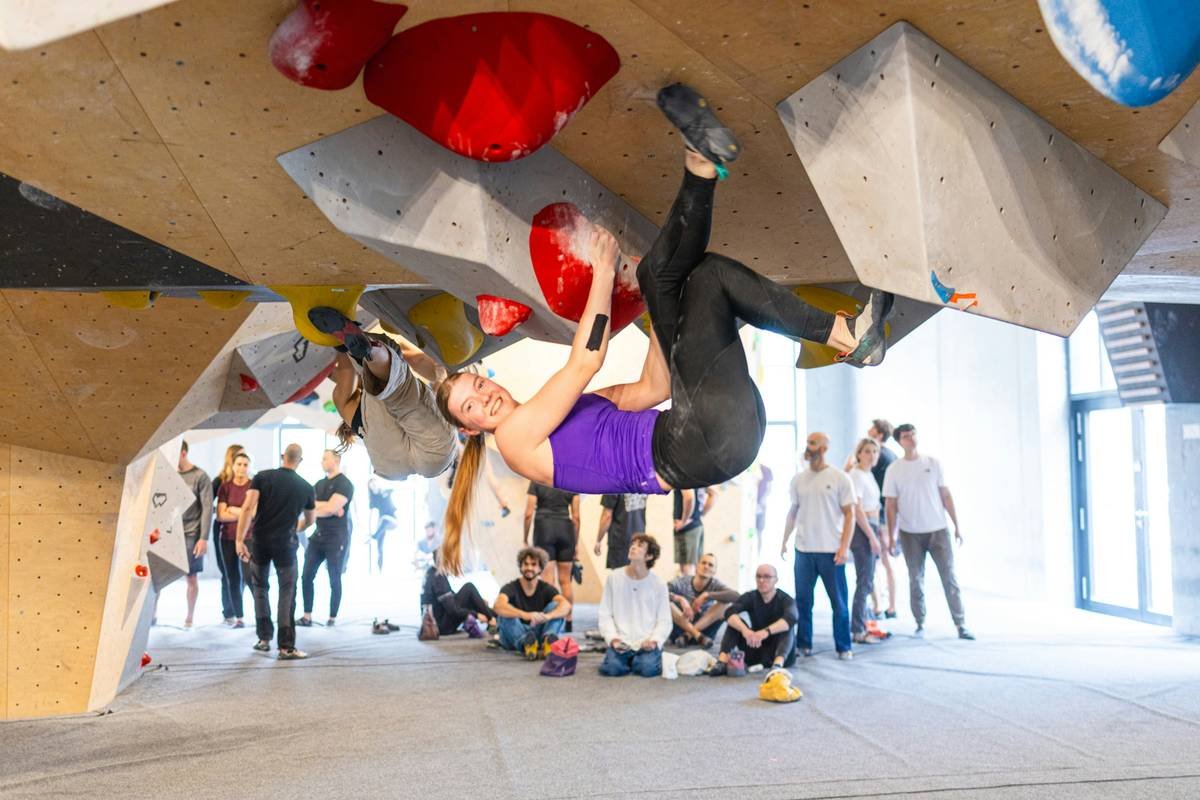
I learned this the hard way. On a humid day at Red River Gorge, I wore stylish but non-stretchy leggings. By pitch two, I couldn’t lift my knee for a high step without fear of splitting seams. Not only was it embarrassing—I also cut my session short, missing out on both training gains and calorie expenditure. That’s why flexibility fit climbing isn’t a marketing buzzword; it’s a functional necessity. When your tights move with you, you climb longer, recover faster, and stay motivated—all pillars of long-term health.
How to Choose the Right Climbing Tights: A Step-by-Step Guide
Step 1: Prioritize Four-Way Stretch Fabric
Two-way stretch only moves horizontally or vertically. For dynamic moves like drop knees or high steps, you need material that expands in all directions. Look for blends with at least 15% spandex or elastane.
Step 2: Check the Gusset
A diamond-shaped gusset in the crotch prevents binding and allows full hip rotation. Skip tights without one—they’ll pinch during flagging or smearing.
Step 3: Assess Moisture Management
Synthetic fabrics like nylon or polyester wick sweat away from the skin. Cotton holds moisture, leading to chafing and bacterial growth—a major hygiene and comfort issue.
Step 4: Test the Waistband
It should stay put without digging in. If you’re cinching it tight to avoid slippage, it’s not designed for athletic use.
Top Practices for Comfort, Mobility & Longevity
- Wash cold, air dry: Heat degrades elastic fibers. Preserve your tights’ integrity by skipping the dryer.
- Rotate pairs: Wearing the same tights daily accelerates wear. Have at least two pairs in rotation.
- Avoid “fashion” climbing apparel: Just because it’s sold in a climbing shop doesn’t mean it’s functional. Stick to brands with athlete testing programs.
- Never size down for “compression”: True compression gear is medically engineered. Squeezing into small tights just cuts off blood flow—counterproductive for endurance.
Here’s a terrible tip I hear too often: “Just wear running tights—they’re stretchy enough.” Nope. Running tights lack abrasion resistance and often have reflective logos that snag on rough rock. Don’t do it.
Real Climbers, Real Results
Take Maya R., a 38-year-old client of ours (yes, we offer personalized wellness coaching—learn more on our About Us page). After switching from generic leggings to purpose-built flexibility fit climbing tights, she increased her weekly climbing time from 2 to 5 hours over three months. Her body fat dropped by 4.2%, per DEXA scan, largely because she stopped dreading discomfort and started showing up consistently. As the American Council on Exercise notes, adherence—not intensity—is the #1 predictor of fitness success (ACE Fitness).
This isn’t magic. It’s mechanics. When gear disappears on your body, movement becomes joyful—and joy builds habits.
Frequently Asked Questions
Can climbing tights help with weight loss?
Indirectly, yes. By enabling longer, more comfortable sessions, they support consistent caloric expenditure—the foundation of sustainable weight management.
Are expensive tights worth it?
If they feature four-way stretch, reinforced stitching, and moisture-wicking fabric, yes. Cheap tights often pill, sag, or tear within weeks, costing more long-term.
Should I size up or down for climbing tights?
Stick to your true size. They should feel snug but not restrictive. You should be able to squat fully without the waistband rolling or fabric pulling.
Do I need different tights for bouldering vs. sport climbing?
Not necessarily. Focus on mobility and durability. Bouldering may require more abrasion resistance on knees, so look for reinforced panels if you pad-scrape often.
How often should I replace my climbing tights?
Every 6–12 months with regular use. Signs it’s time: loss of elasticity, thinning fabric, or persistent odor even after washing.
Remember: your gear should vanish beneath your focus. When you stop thinking about your clothes and start flowing through the moves, that’s when real transformation begins.
Ready to upgrade your kit and unlock consistent progress? Share your fit questions—or horror stories—with us at Contact Us. And rest assured, we never share your data; see our full commitment in the Privacy Policy.