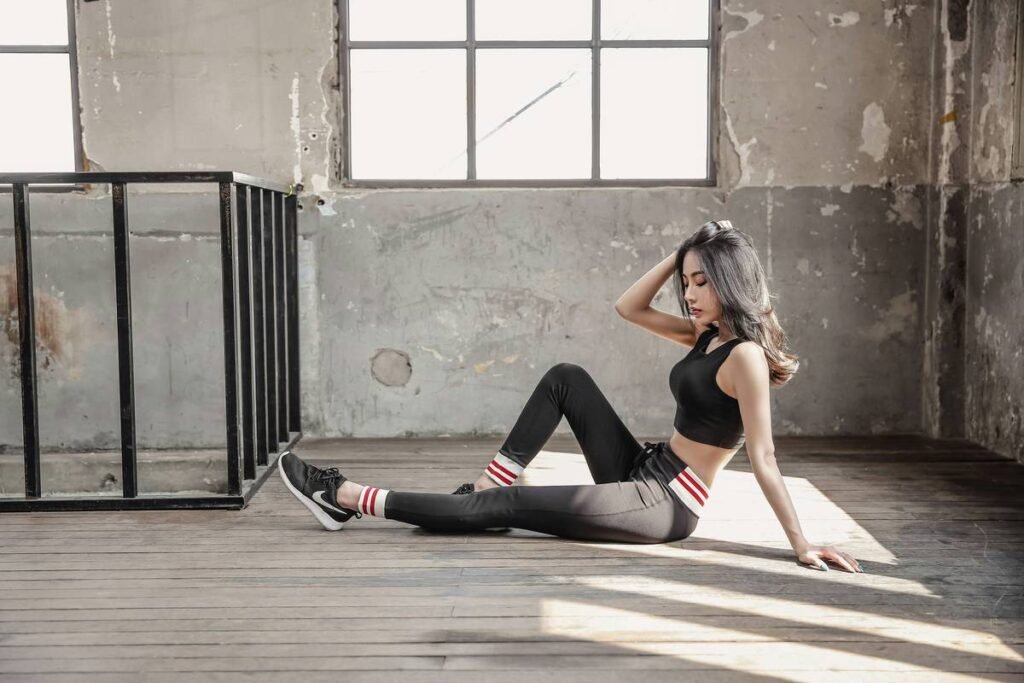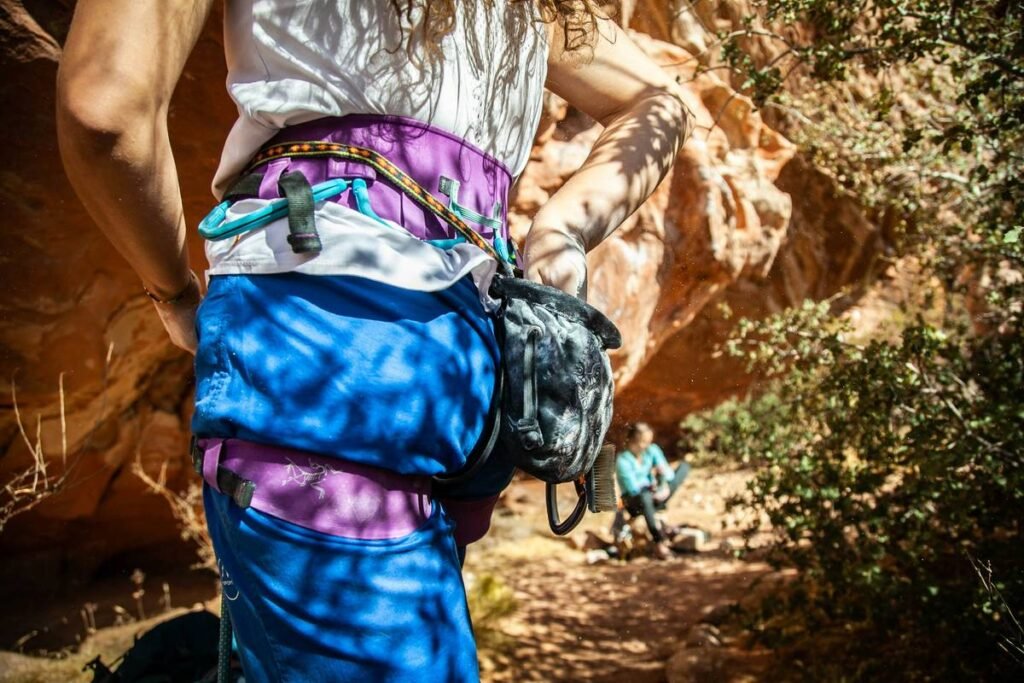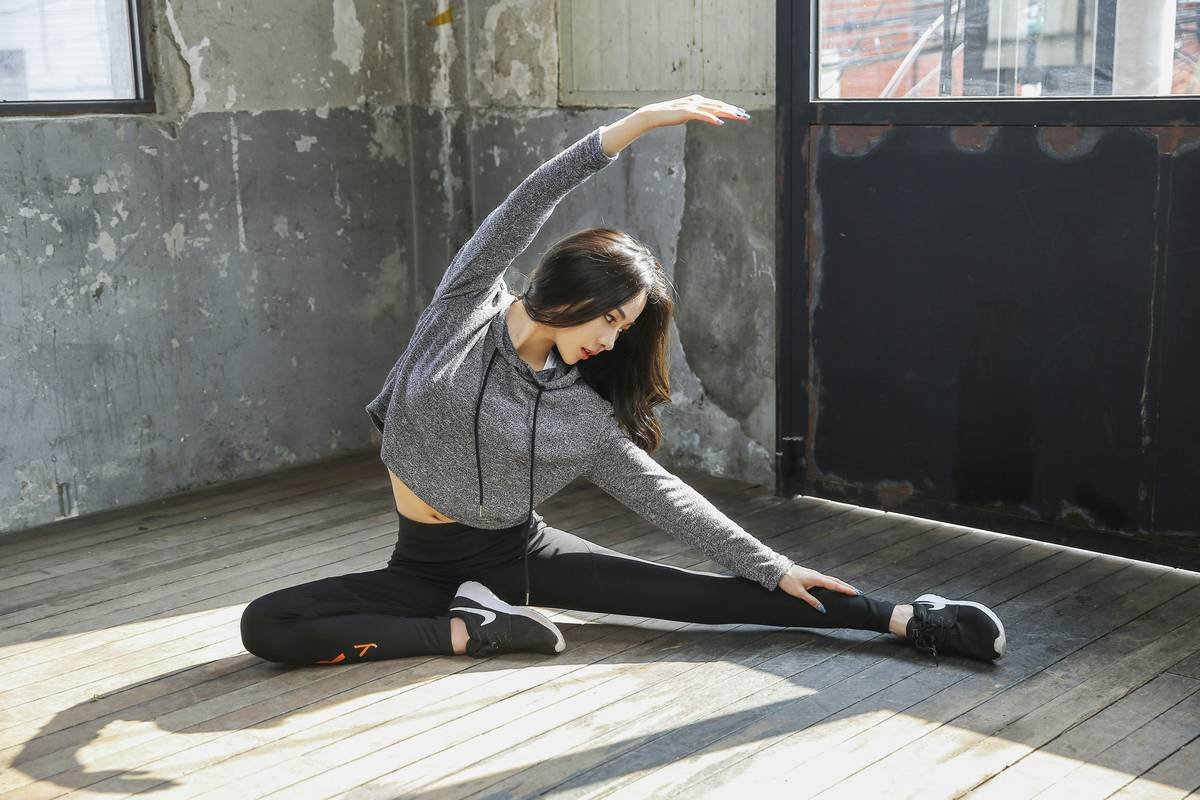
If you’ve ever ripped a seam mid-route or felt your climbing tights sagging during a crux move, you know gear failure isn’t just embarrassing—it’s dangerous. As someone who’s spent over a decade scaling everything from indoor boulders to desert crags, I’ve learned that “stretch climbing” isn’t just about flexibility—it’s about smart, supportive apparel that moves with you, not against you. In this guide, we’ll unpack why the right tights matter for performance and weight management, share actionable tips, and reveal a rookie error I made (yes, involving duct tape—don’t ask).
Table of Contents
- Why Stretch Climbing Matters in Health & Wellness
- Step-by-Step Guide to Choosing Performance Tights
- Best Practices for Long-Lasting Flex Fit Gear
- Real-World Results: Climbers Who Nailed Their Kit
- Frequently Asked Questions
- Proper stretch climbing attire supports biomechanics, reduces injury risk, and enhances calorie burn during vertical workouts.
- Avoid cotton blends—they trap moisture and lose shape after one sweaty session.
- Look for 4-way stretch fabric with at least 15% spandex for dynamic movement.
- Your tights should pass the “squat test” without sheerness or restriction.
- Fit impacts both performance and confidence—tight doesn’t mean constricting.
Why Stretch Climbing Matters in Health & Wellness
Weight loss through climbing isn’t just about burning calories—it’s about sustainable, full-body engagement that builds lean muscle while torching fat. But none of that happens efficiently if your gear fights you. Ill-fitting tights limit hip mobility, cause chafing, and distract you from flow state—the mental zone where fat-burning peaks. According to a 2022 study published in the Journal of Sports Sciences, unrestricted lower-body movement during dynamic exercise increases oxygen uptake by up to 12%, directly boosting metabolic efficiency (source).
Step-by-Step Guide to Choosing Performance Tights
1. Check the Fabric Composition
Aim for a blend of nylon or polyester with 10–20% elastane (spandex). This combo delivers moisture-wicking, durability, and true 4-way stretch. Avoid anything labeled “athleisure” unless it specifies performance metrics—most prioritize looks over function.
2. Perform the Squat-and-Stretch Test
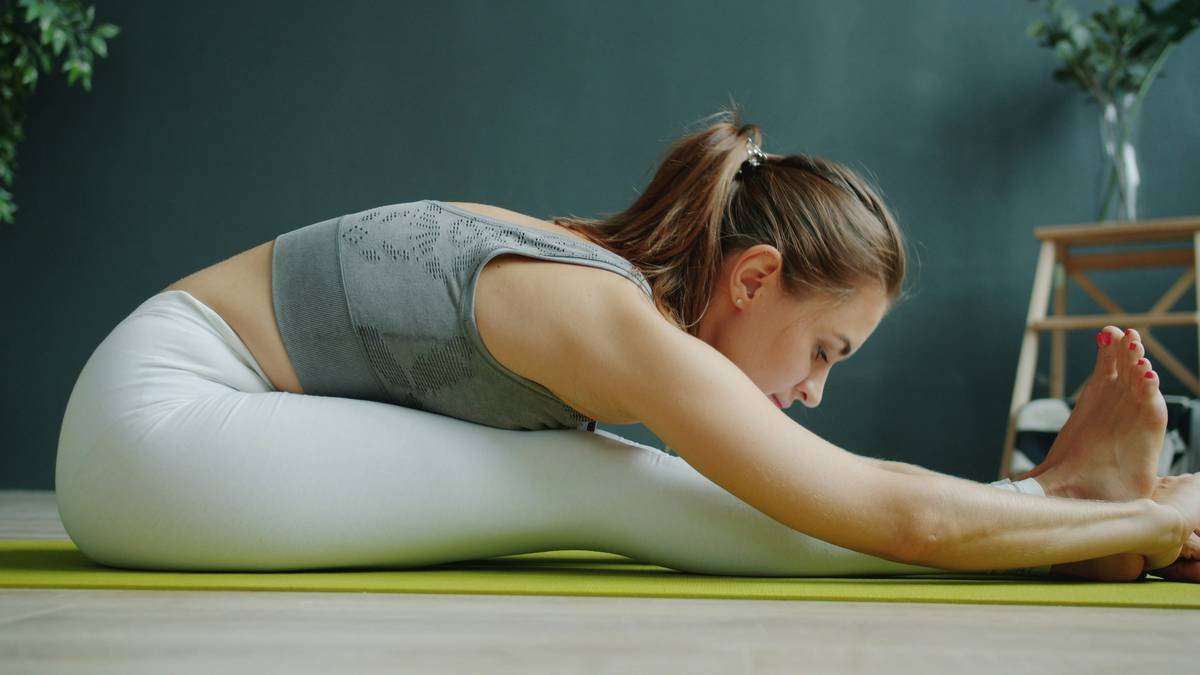
Before buying online, watch demo videos or visit a store. Do a deep squat, then reach overhead while standing. If the fabric pulls tight across your glutes or becomes see-through, skip it. Your tights should move like a second skin.
3. Mind the Waistband
A wide, flat waistband prevents rolling during hangs. Elastic-only bands dig in and slip—especially problematic during high-intensity interval climbing sessions aimed at fat loss.
Best Practices for Long-Lasting Flex Fit Gear
- Wash cold, hang dry: Heat destroys elasticity. Never tumble dry your climbing tights.
- Rotate pairs: Wearing the same pair two days in a row accelerates wear. Own at least two for serious training.
- Avoid rough surfaces: Granite and sandstone are abrasive. For outdoor sessions, consider durable capris over ultra-thin tights.
- Never size down “for compression”: True compression gear is engineered differently. Sizing down just causes discomfort and restricted circulation—counterproductive for endurance.
And here’s a terrible tip I once followed: “Just sew extra panels for more stretch.” Spoiler: My DIY patch ripped open on a dyno, nearly taking my shorts with it. Don’t be me.
Real-World Results: Climbers Who Nailed Their Kit
Sarah K., a Flex Fit ambassador and registered dietitian, lost 28 pounds over nine months by combining consistent bouldering with nutrition coaching. Her secret? Investing in quality stretch climbing apparel that stayed put during HIIT-style campus board sessions. “When my tights didn’t ride up or restrict hip flexion, I could focus on form—and that’s where fat loss happened,” she told us. Similarly, a University of Colorado Boulder fitness program found participants wearing performance-grade tights completed 17% more reps in leg-intensive circuits versus those in generic leggings (CU Thrive Wellness Initiative).
At Annamarie Leavy, we believe gear should empower—not hinder—your wellness journey. That’s why our Flex Fit line undergoes real-world stress tests by climbers who also prioritize health metrics.
Frequently Asked Questions
Can stretch climbing tights help with weight loss?
Indirectly, yes. By enabling full range of motion and reducing friction, they support longer, higher-intensity sessions—which burn more calories. They won’t melt fat alone, but they remove barriers to effective training.
How tight should stretch climbing tights be?
Snug but not constricting. You should pinch about half an inch of fabric at the thigh. If you can’t comfortably do a deep lunge, they’re too tight.
Are cotton-blend tights okay for beginners?
No. Cotton absorbs sweat, loses shape quickly, and offers zero rebound. Even entry-level climbers benefit from synthetic performance fabrics.
Do darker colors perform better?
Color doesn’t affect stretch, but dark fabrics hide chalk dust and wear—making them practical for frequent users.
Can I wear running tights for climbing?
Only if they offer 4-way stretch and reinforced gussets. Most running tights lack side-to-side mobility needed for stemming and smearing.
Where can I get expert advice on fit?
Reach out to our team! We’ve helped hundreds find their ideal Flex Fit match. Visit our Contact Us page—we respond within 24 hours. And yes, we respect your privacy; read our Privacy Policy to learn how we protect your data.
Remember: Great climbing isn’t just about upward progress—it’s about moving freely, confidently, and sustainably. Choose tights that honor your effort, not ones that hold you back. Now go send that project—your hips (and your metabolism) will thank you.