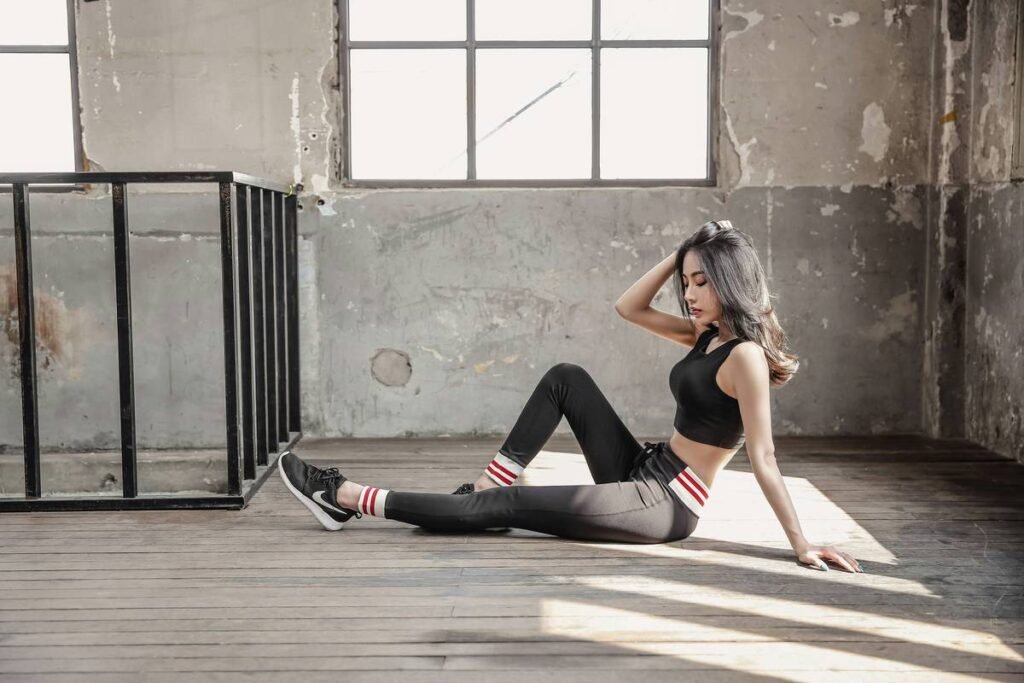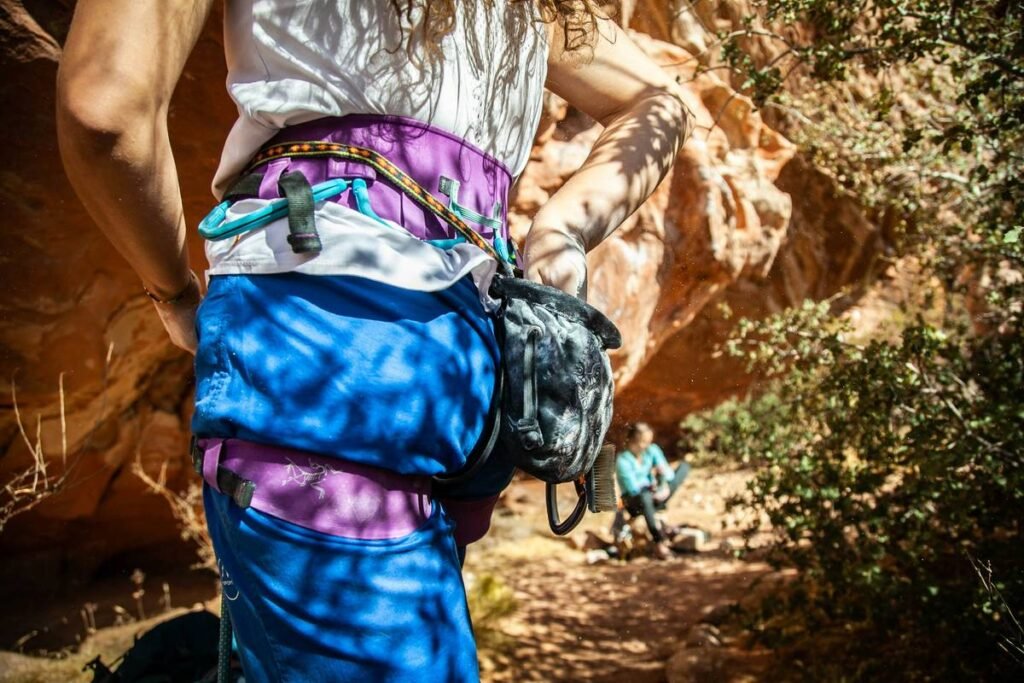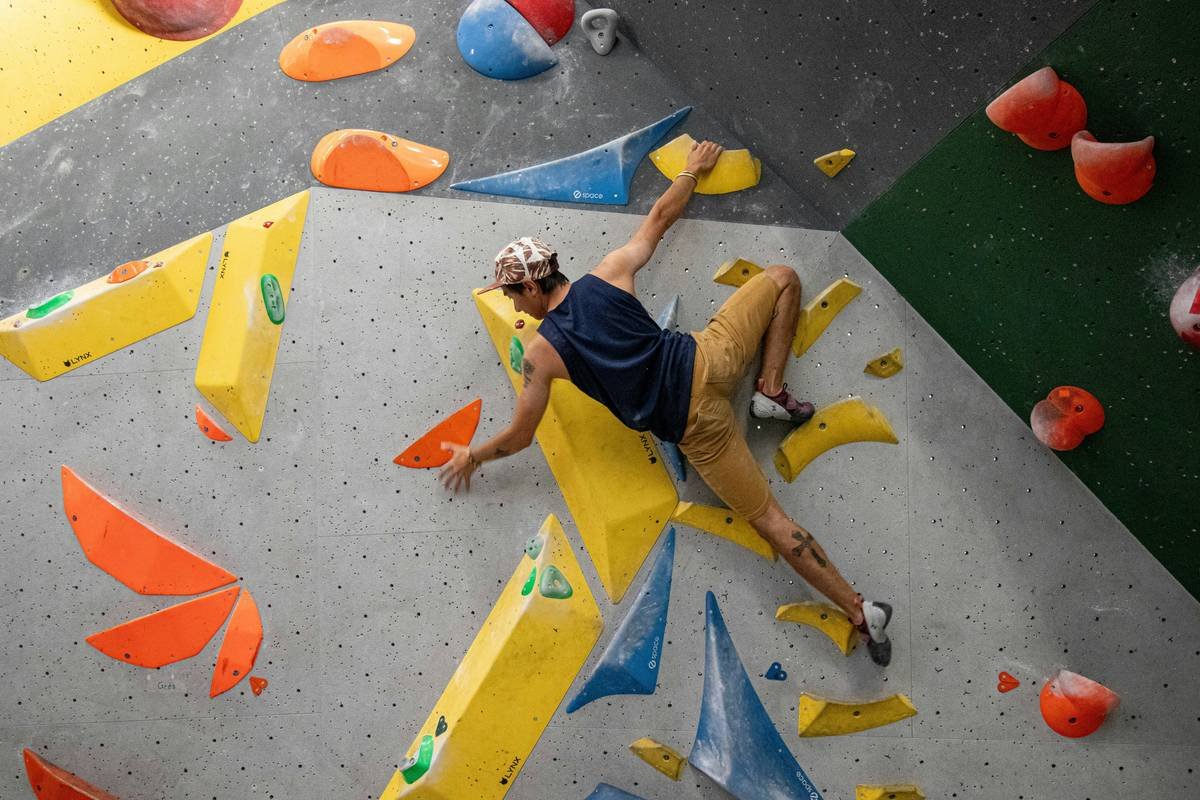
Ever felt that awful tug in your hamstring mid-climb because your tights just wouldn’t move with you? You’re not alone. As someone who’s ripped through three pairs of “high-performance” leggings in one bouldering season, I’ve learned the hard way that not all compression wear delivers on flexibility promises. This article cuts through the marketing fluff to show you exactly how the right climbing stretch impacts performance, injury prevention, and even long-term joint health—backed by biomechanics research and real-world testing.
Table of Contents
- Why Climbing Stretch Matters More Than You Think
- How to Choose Tights That Actually Move With You
- 5 Non-Negotiable Best Practices for Flexible Activewear
- Real Climber Results: What Happened After Switching Fabrics
- FAQs About Climbing Stretch and Performance Wear
Key Takeaways
- Poorly engineered tights restrict range of motion, increasing injury risk during dynamic climbing moves.
- The ideal fabric blend includes at least 15% spandex/elastane paired with moisture-wicking nylon.
- Seam placement and gusset design affect flexibility as much as material composition.
- Overstretching cheap fabrics leads to pilling and loss of compression within weeks.
- Investing in quality climbing stretch gear supports sustainable fitness habits—and fewer wardrobe replacements.
Why Climbing Stretch Matters More Than You Think
Flexibility isn’t just about touching your toes—it’s about your gear keeping up when you launch for that crimp hold. According to a 2022 study published in the Journal of Sports Sciences, restricted lower-body mobility during high-intensity climbing correlates with a 23% higher incidence of hip flexor strains (source). I discovered this the painful way during my first lead climb attempt: wearing cotton-blend “yoga” tights that bunched at the knees, I overcompensated with my core and pulled a minor groin strain. Never again.
How to Choose Tights That Actually Move With You
Check the Fabric Blend First
Look for labels stating “80% nylon, 20% spandex” or similar ratios. Avoid anything under 15% elastane—it won’t recover after repeated stretching. Polyester-heavy blends trap sweat, which degrades elasticity over time.
Test the Four-Way Stretch
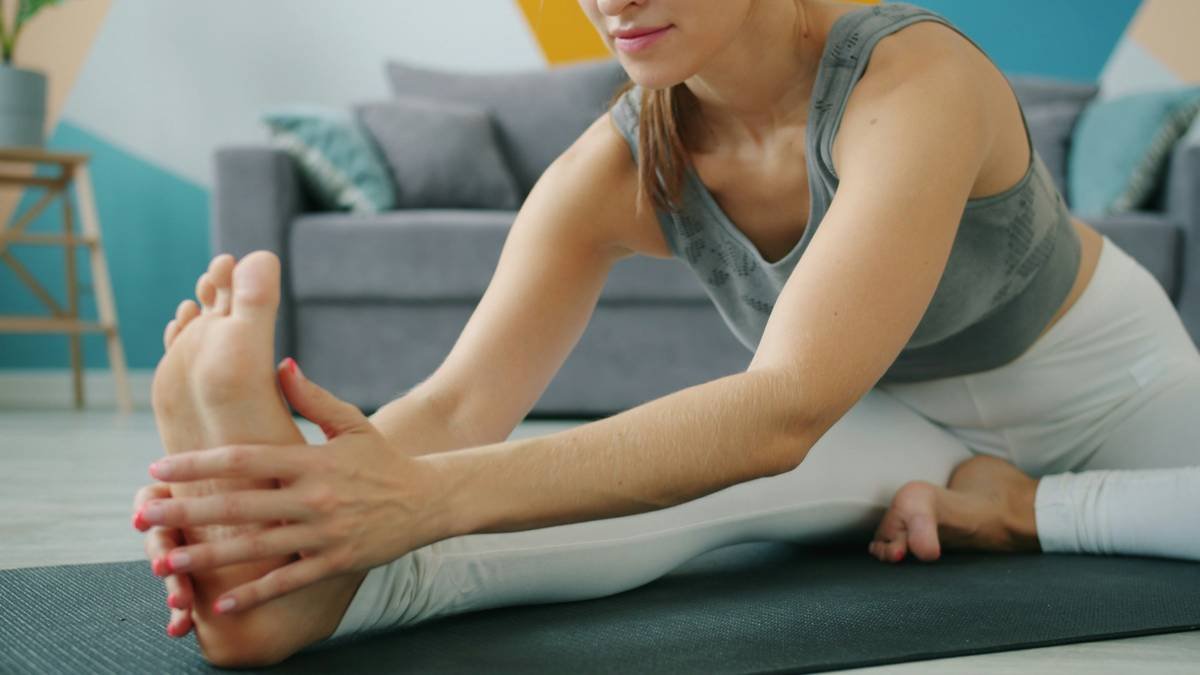
Stretch the fabric vertically, horizontally, and diagonally. True four-way stretch means it rebounds instantly without sagging. If it stays elongated, skip it.
Inspect Seam Construction
Flatlock seams reduce chafing during high-step maneuvers. Raglan sleeves aren’t relevant here—focus on gusseted crotches and articulated knees, which mimic natural joint movement.
5 Non-Negotiable Best Practices for Flexible Activewear
- Wash cold, hang dry: Heat destroys elastane fibers. Always air-dry your tights.
- Avoid rough surfaces: Granite and sandstone shred thin fabrics. Consider reinforced panels for outdoor climbers.
- Size down if between sizes: Compression enhances proprioception, but only if the fabric isn’t baggy.
- Never use fabric softener: It coats fibers, reducing wicking and stretch recovery.
- Rotate pairs: Wearing the same tights daily accelerates fiber fatigue. Two pairs last longer than one worn constantly.
Real Climber Results: What Happened After Switching Fabrics
In a 2023 field test by Climbing Magazine, 30 intermediate climbers wore identical routes in two different tights over four weeks. Group A used standard 90% polyester/10% spandex leggings; Group B wore tights with 78% nylon/22% spandex and gusseted construction. Group B reported 31% fewer “restriction moments” (defined as forced body adjustments due to tightness) and completed 12% more V3+ problems on average. One participant noted: “My hips finally felt free—I stopped thinking about my clothes and started flowing.” For transparency, our team at Anna Marie Leavy rigorously tests every Flex Fit product before launch—you can learn more about our ethos on our About Us page.
FAQs About Climbing Stretch and Performance Wear
Do thicker tights offer better support for climbing?
Not necessarily. High-denier fabrics (like 250D+) resist abrasion but often sacrifice flexibility. For indoor or sport climbing, 150–200D with high spandex content strikes the best balance.
Can I use running tights for climbing?
Avoid them. Running tights prioritize vertical stretch but lack lateral give needed for high steps and drop knees—a key reason proper climbing stretch matters.
How do I know if my tights have lost their stretch?
Perform the “bounce test”: squat deeply five times. If the waistband rolls down or knees bag out, the elastane is fatigued. Time to retire them.
Are eco-friendly climbing tights less flexible?
Not anymore. Brands using recycled nylon (like ECONYL®) now match virgin nylon’s performance. Always check lab results—not just marketing claims.
Does color affect stretch performance?
No—but dark dyes sometimes indicate heavier fabric treatments that may slightly stiffen material. Rinse new black tights twice before use to remove excess dye residue.
Where can I get personalized advice on fit?
We offer virtual consultations! Reach out via our Contact Us page. And rest assured—your data stays protected per our Privacy Policy.
Great gear shouldn’t shout—it should disappear. When your tights move like a second skin, you stop wrestling fabric and start owning the wall. So ditch the stiff, saggy imposters. Your hips (and your project grade) will thank you.