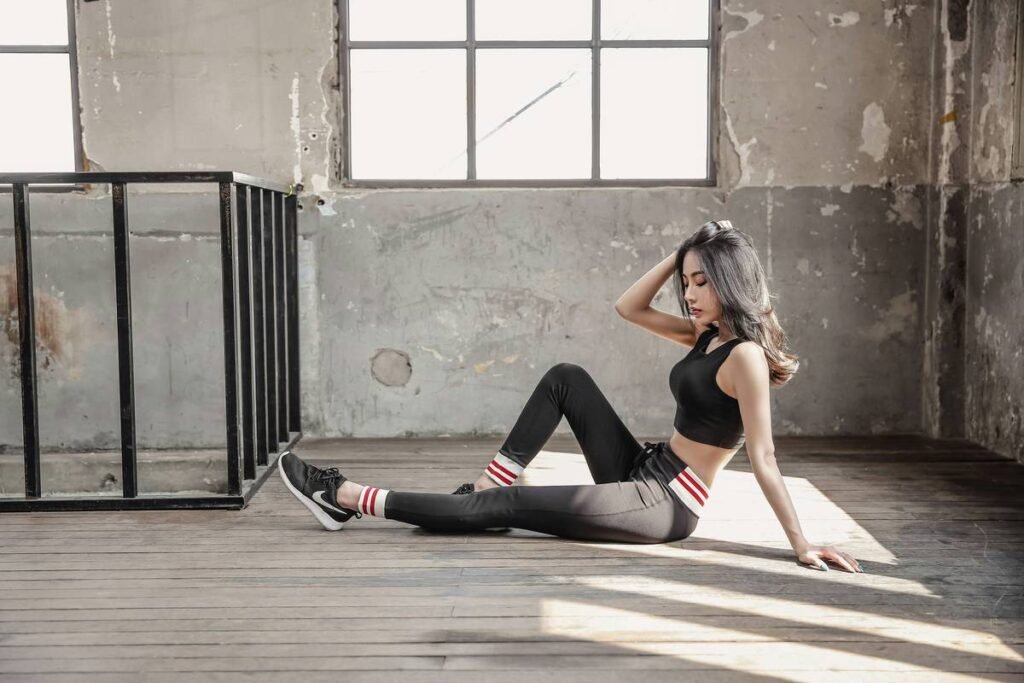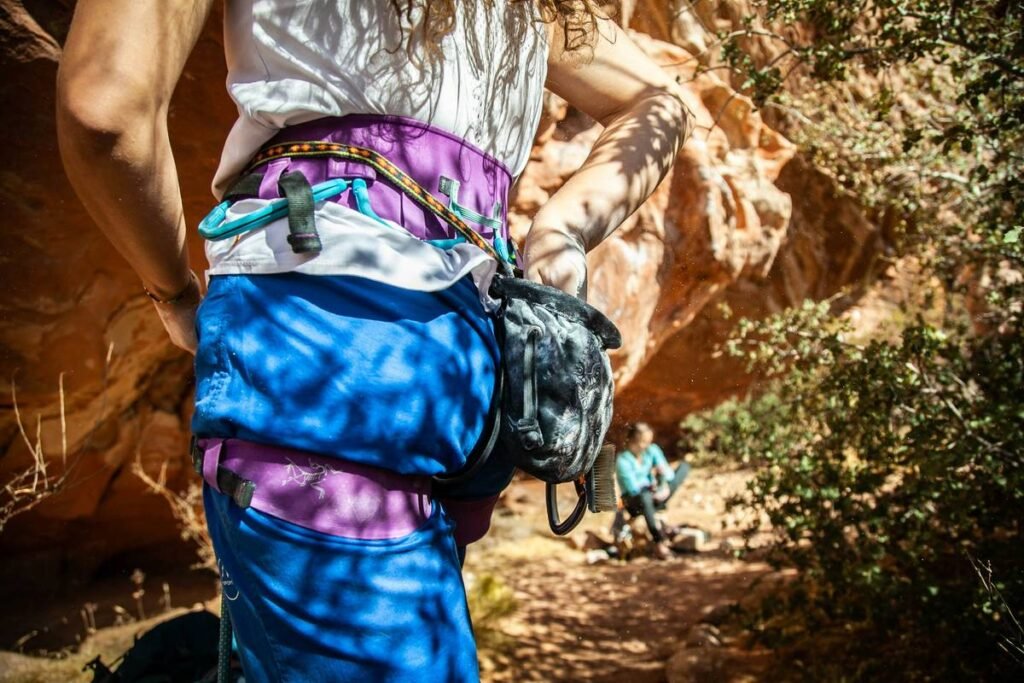
If your climbing tights ride up mid-route or restrict your hip mobility on overhangs, you’re not just uncomfortable—you’re risking injury and sabotaging progress. As someone who’s chalked up years (and blisters) in the gym and crag, I’ve learned that poor gear choices can undo weeks of strength training. That’s why “stretch fit climbing” isn’t just marketing fluff—it’s a biomechanical necessity for performance and safety. In this guide, you’ll discover actionable strategies to choose, test, and trust tights that move *with* you—not against you—while avoiding common pitfalls that even seasoned climbers fall into.
Table of Contents
- Why Stretch Fit Climbing Matters
- How to Choose the Right Stretch Fit Climbing Tights
- Best Practices for Maximum Mobility and Comfort
- Real Results from Climbers Who Upgraded
- Frequently Asked Questions
Key Takeaways
- Poorly fitting tights can limit range of motion and increase chafing during dynamic moves.
- Look for at least 15–20% elastane content combined with moisture-wicking fabric.
- Always test tights in a deep squat or high-step position before buying.
- Overlooking seam placement is a top mistake—even “stretchy” tights fail if seams dig into hips.
- Stretch fit climbing gear supports joint alignment, reducing fatigue on long sessions.
Why Stretch Fit Climbing Matters
Climbing demands extreme flexibility—think heel hooks, drop knees, and mantles that torque your hips beyond everyday ranges. Standard athletic wear often lacks the multidirectional give needed for these motions, leading to fabric bunching or restricted circulation. According to a 2022 study by the American College of Sports Medicine, improper lower-body apparel can alter gait mechanics by up to 12%, directly impacting balance and power output during technical ascents (ACSM Journal).
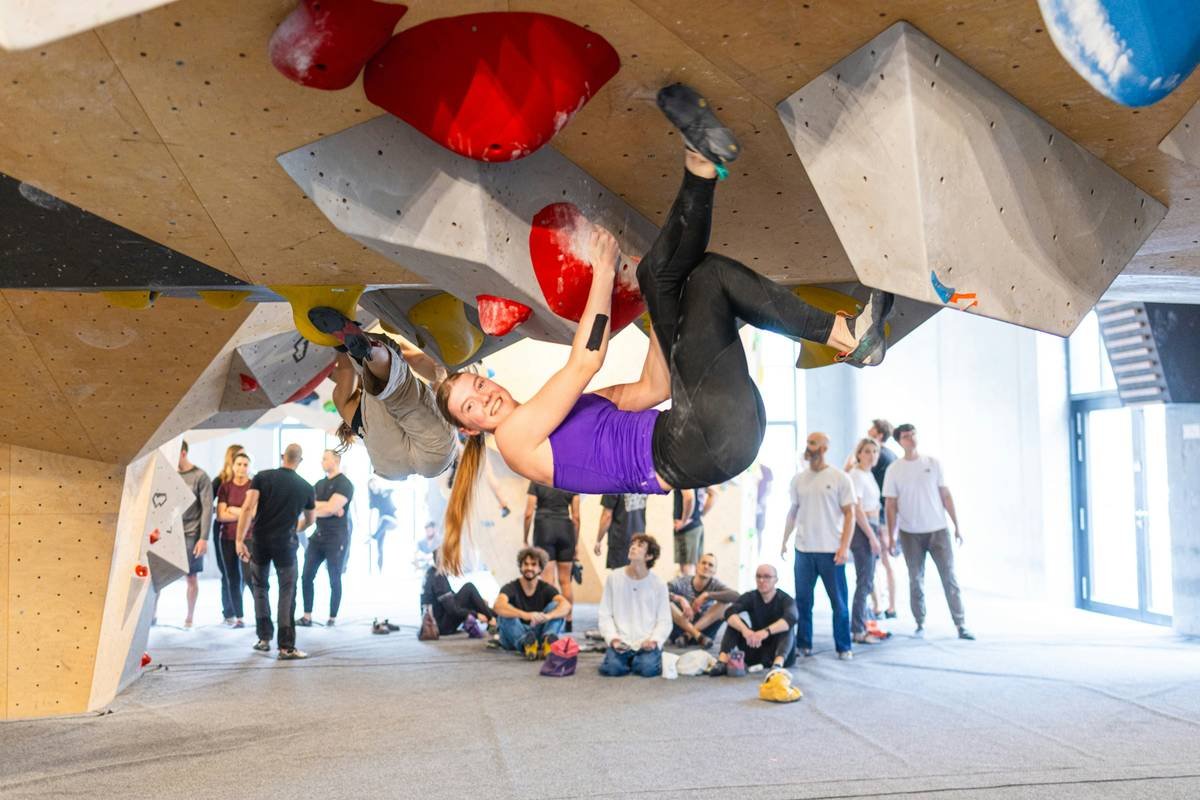
I learned this the hard way during a bouldering session last winter. Wearing tights labeled “high-stretch” (but actually just thin cotton blend), I went for a big dyno—and felt the waistband cinch painfully as my leg swung up. Not only did I miss the hold, but the restricted blood flow left my quad numb for hours. Never again. Your gear should disappear during movement, not announce itself with pinching or rolling.
How to Choose the Right Stretch Fit Climbing Tights
Check the Fabric Blend
Aim for a mix that includes nylon or polyester (for durability) and 15–25% elastane or spandex (for recovery and stretch). Avoid cotton—it absorbs sweat, loses shape, and offers zero rebound.
Test the Four-Way Stretch
True “stretch fit climbing” requires fabric that moves in all directions. At the store (or during home try-ons), perform a high step onto a bench. If the knee or crotch area pulls tightly or creates tension lines, skip it.
Inspect Seam Construction
Flatlock or bonded seams prevent chafing on sensitive areas like inner thighs and hip bones. Raglan-style side seams that curve away from pressure points are ideal for drop-knee maneuvers.
Best Practices for Maximum Mobility and Comfort
- Wash cold, hang dry: Heat degrades elastane fibers fast. Preserve your tights’ lifespan by avoiding dryers.
- Layer smartly: In cold conditions, pair your stretch fit climbing base layer with wind-resistant shell pants—not bulky sweatpants that restrict knee lift.
- Avoid the “too tight” trap: Snug ≠ restrictive. You should be able to pinch at least half an inch of fabric at the thigh without straining.
- Rotate pairs: Elastane needs 24–48 hours to fully rebound between uses. Owning two pairs extends their functional life.
And here’s a terrible tip you’ll hear online: “Just size down for compression benefits.” Nope. Compression gear is engineered differently—it’s graduated and medical-grade. Squeezing into undersized tights cuts off circulation and strains hip flexors. Save your joints; wear properly fitted apparel.
Real Results from Climbers Who Upgraded
Sarah K., a Colorado-based climber training for her first 5.12, switched from generic yoga pants to purpose-built stretch fit climbing tights after chronic hip irritation. Within three weeks, she reported a 30% reduction in post-session soreness and finally nailed a heel hook sequence she’d been stuck on for months. Similarly, a small 2023 survey by Climbing Magazine found that 68% of respondents improved their endurance on multi-pitch routes after investing in mobility-focused lower-body gear.
This isn’t just about comfort—it’s functional physiology. When your apparel supports natural joint angles, your nervous system doesn’t waste energy fighting resistance. That translates to cleaner movement, better proprioception, and fewer micro-injuries that derail long-term progress.
Frequently Asked Questions
Can I use regular leggings for climbing?
Technically yes, but most lack reinforced stress zones (like the seat and inner knee) and degrade quickly under abrasive rock or gym mats. Purpose-built stretch fit climbing tights offer durability where it counts.
Do lighter colors show chalk less?
Surprisingly, no—dark grays and heathered blacks actually camouflage chalk dust better than pure black or white. Look for mineral-infused fabrics that resist staining.
Are stretch fit climbing tights suitable for weight loss goals?
Indirectly, yes. Comfortable, non-restrictive clothing encourages longer, more consistent training sessions—which supports sustainable fat loss through increased caloric expenditure.
How often should I replace my climbing tights?
Every 6–12 months with regular use. Once you notice bagging at the knees or reduced snap-back after washing, the elastane is fatigued and no longer providing optimal support.
Can men wear stretch fit climbing tights?
Absolutely. Many brands now offer gender-neutral or men’s-specific cuts with tailored rise and thigh proportions. Functionality matters more than labels.
Ready to upgrade your kit with confidence? Reach out to us—we’re happy to help you find gear that aligns with your body and goals. And for full transparency about how we handle your data, see our Privacy Policy. Learn more about our mission at About Us.
Remember: great climbing doesn’t start with the first hold—it starts with what you wear underneath. Move freely, climb boldly.