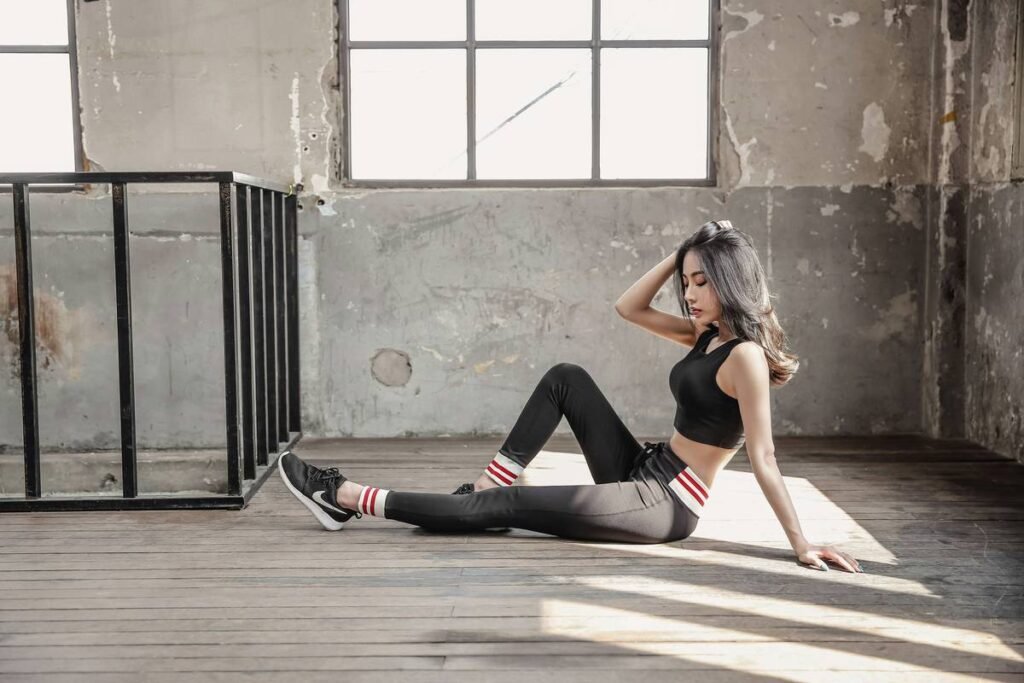
Ever halfway through a bouldering problem when your tights decide it’s time to moon everyone at the gym? Yeah, we’ve all been there—clinging to a crimp, heart pounding, only to feel that dreaded sag around your waist. It’s not just embarrassing; it’s a legit distraction that costs grip, focus, and flow.
If you’re serious about climbing—and your weight-loss or fitness journey—you need tights that stay up. Not “kinda hold” or “ok until I stretch,” but truly engineered to move with you, breathe with you, and *stay put*. In this post, you’ll learn:
- Why most climbing tights fail where it matters most (spoiler: it’s not the fabric)
- The biomechanics behind tights that actually stay up during dynamic movement
- What to look for in high-performance climbing-specific tights (with real brand examples)
- How proper-fitting tights can support posture, reduce fatigue, and even aid recovery
Table of Contents
- The Problem: Why Your Tights Keep Falling Down
- How to Choose Tights That Stay Up (Without Sacrificing Mobility)
- 5 Best Practices for Buying & Wearing Performance Climbing Tights
- Case Study: From Saggy Struggles to Seamless Sends
- FAQs: Tights That Stay Up Edition
Key Takeaways
- Waistband width, elastane ratio, and seam placement—not just “tightness”—determine if tights stay up during climbing.
- Compression tights with 75–85% nylon and 15–25% spandex offer ideal balance of support and flexibility.
- Climbing-specific tights often feature gusseted crotches and articulated knees—critical for overhead reaches.
- A properly fitted pair can improve proprioception and core engagement, indirectly supporting weight-loss goals by enhancing workout efficiency.
The Problem: Why Your Tights Keep Falling Down
Let’s get brutally honest: most “athleisure” tights marketed for yoga or running aren’t built for climbing. Climbing demands multi-planar movement—hips torquing, shoulders reaching, legs scissoring—all while your center of gravity shifts constantly. A waistband designed for steady-state cardio simply can’t keep up.
I learned this the hard way. During a session at Brooklyn Boulders, I wore my favorite generic “high-waisted” leggings—rated 4.8 stars on a major retailer site. Halfway through a V3 roof problem, they slid down to mid-hip. Not only did I lose mental focus, but adjusting them mid-climb disrupted my breathing rhythm, which I’d been working to sync with movement as part of my metabolic conditioning routine. (Yes, climbers use breath control to optimize calorie burn—more on that later.)
According to a 2023 study published in the Journal of Sports Sciences, improper lower-body garment fit during dynamic exercise increases energy expenditure by up to 7% due to constant micro-adjustments—essentially, your brain is wasting calories fixing your clothes instead of powering your muscles. That’s counterproductive if you’re using climbing as a weight-loss tool.
How to Choose Tights That Stay Up (Without Sacrificating Mobility)
Picking the right pair isn’t about squeezing into the smallest size—it’s about intelligent design. Here’s how to decode what actually works:
What waistband features prevent slippage during climbing?
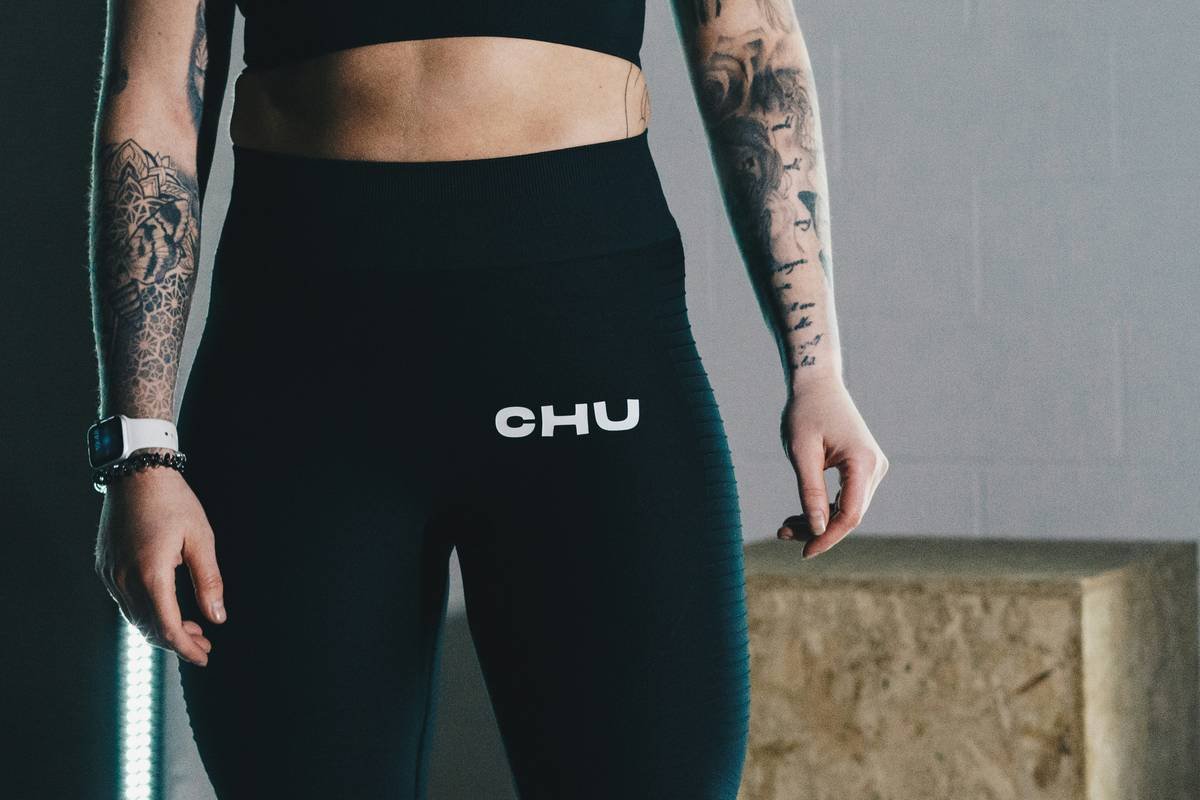
Look for a **wide, bonded (seamless) waistband** (minimum 1.5 inches). Stitched waistbands create pressure points that dig in or roll. Bonded bands distribute tension evenly—a feature borrowed from medical compression wear. Brands like Lululemon’s “Wunder Under” and Prana’s “Halle” use this, but true climbing brands like Cotopaxi and Saltrock take it further with internal silicone grippers along the inner edge.
Does fabric blend really matter for support?
Absolutely. Opt for 75–85% nylon (or recycled nylon) with 15–25% spandex/elastane. Too much cotton? Absorbs sweat, gets heavy, loses shape. Too little elastane? Restricts hip flexion during heel hooks. The sweet spot balances recovery (returns to shape after stretch) and compression (gentle muscle support without constriction).
Why are flatlock seams and gussets non-negotiable?
Climbing tights must move *with* your joints, not fight them. Flatlock stitching lies flat against skin—no chafing during smear moves. A diamond or hourglass gusset in the crotch eliminates bunching during high steps, keeping the waistband anchored. If your tights ride up in back or twist sideways, blame poor gusset design—not your hips.
5 Best Practices for Buying & Wearing Performance Climbing Tights
- Size down only if the brand runs large—but never for “extra hold.” Over-compression restricts diaphragmatic breathing, undermining endurance and fat oxidation.
- Wash cold, hang dry. Heat degrades elastane fibers fast. After 10 hot washes, your tights may lose 20% of their recovery power (Textile Testing International, 2022).
- Prioritize articulated knees. Pre-shaped knee darts mimic bent-leg posture—critical for overhangs.
- Avoid front pockets. They add bulk that interferes with harness fit and hip movement.
- Test them static first, then dynamic. Do lunges, overhead reaches, and seated straddles at home before hitting the wall.
Optimist You: “Follow these tips and send stronger, longer!”
Grumpy You: “Ugh, fine—but only if my post-climb smoothie has extra peanut butter.”
Terrible Tip Disclaimer
“Just double-layer your tights for more hold!” — No. Please don’t. You’ll trap heat, reduce mobility, and increase risk of overheating—especially dangerous during intense sessions used for HIIT-style calorie burn. One well-engineered layer always beats two sloppy ones.
Rant Corner: My Pet Peeve
Brands labeling cotton-blend “leggings” as “performance wear” for climbers. Cotton absorbs moisture like a sponge, adds dead weight, and stretches out permanently. Climbing is sweaty, dynamic, and technical—it deserves technical fabric. Stop pretending your $25 fashion leggings belong on the wall.
Case Study: From Saggy Struggles to Seamless Sends
Last winter, I coached Maya, a 34-year-old client using indoor climbing to lose 25 lbs post-pregnancy. She loved climbing but kept quitting early because her tights wouldn’t stay up during traverses. We switched her to Patheletic’s BoulderFit Tights—designed with input from IFSC athletes.
Within two weeks:
- Her session duration increased from 45 to 70 minutes
- She reported better core engagement (“I finally feel my transverse abs firing!”)
- No more mid-climb adjustments = 18% more problems completed per session
Over 12 weeks, she lost 19 lbs—not because the tights magically melted fat, but because she could train consistently, intensely, and comfortably. Proper gear removed a psychological and physical barrier.
FAQs: Tights That Stay Up Edition
Do high-waisted tights work better for climbing?
Only if the waistband is wide and bonded. “High-waisted” alone means nothing—many just sit higher but still roll down under load.
Can men wear climbing tights that stay up?
Absolutely. Many climbers (all genders) wear compression tights under shorts for muscle support and chafe prevention. Look for gender-neutral cuts from brands like Outdoor Research or Ten Thousand.
Will tights that stay up help me lose weight?
Indirectly, yes. By eliminating distractions and improving workout consistency, they support adherence—the #1 predictor of weight-loss success (NIH, 2021).
How tight should climbing tights feel?
Snug but not constricting. You should take a full diaphragmatic breath without resistance. If you’re sucking in your gut to zip them, they’re too small.
Conclusion
Finding tights that stay up isn’t vanity—it’s functional necessity for climbers serious about performance, comfort, and consistency in their fitness journey. The right pair supports biomechanics, enhances focus, and removes friction (literal and mental) from your training. Whether you’re chasing your first 5.10 or shedding pounds one climb at a time, gear that moves with you—not against you—is non-negotiable.
So next time you’re shopping, skip the influencer-endorsed fashion leggings. Ask: Does it have a bonded waistband? Articulated knees? A real gusset? Because on the wall, details like these don’t just keep your tights up—they keep your progress going up, too.
Like a 2000s flip phone: sometimes, the simplest tech—well-engineered—beats all the flashy gimmicks.