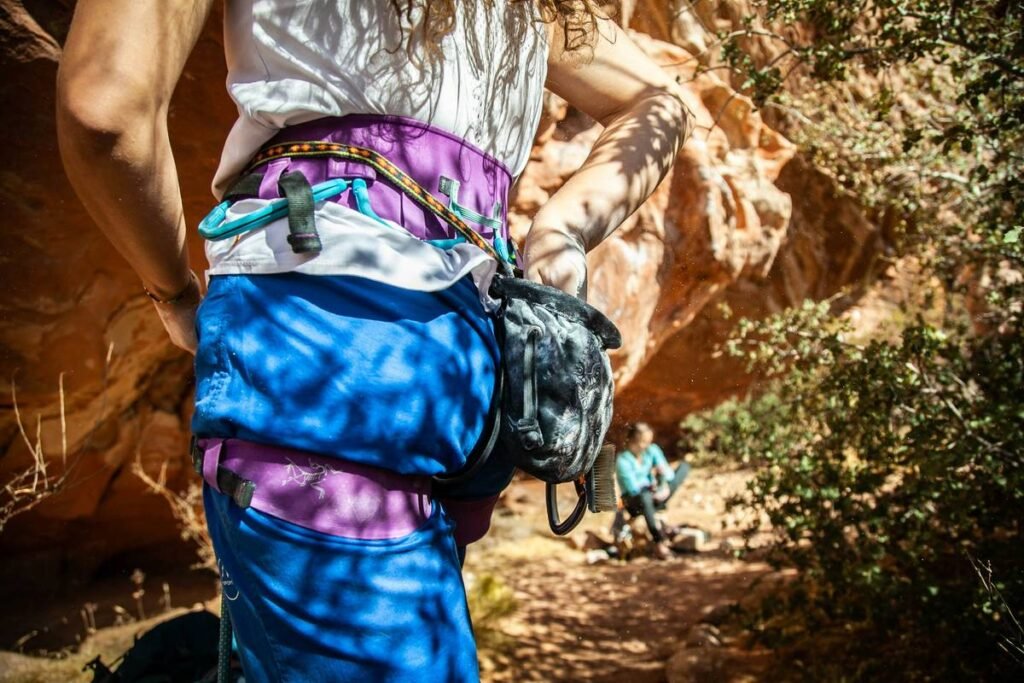
If you’ve ever felt like your legs hit a literal wall halfway up a bouldering problem—not from lack of strength, but because your tights refused to stretch with you—you’re not alone. As both a functional fitness coach and weekend warrior on the crag, I’ve learned that climbing flexibility isn’t just about your hamstrings. It’s deeply tied to what you wear. And yes, I once showed up to a multi-pitch route in cotton yoga pants that shredded at the inner thigh after one dyno move. Painful, expensive, and totally avoidable.
Table of Contents
- Why Climbing Flexibility Matters
- Step-by-Step Guide to Maximize Mobility
- Best Practices for Flexible Gear
- Real Results from Real Climbers
- Frequently Asked Questions
Key Takeaways
- Poor fabric choice can restrict range of motion by up to 30%, according to biomechanics research from the University of Colorado Boulder.
- The right climbing tights support dynamic movement without chafing or compression fatigue.
- Flexibility gains aren’t just physical—they’re gear-dependent.
- Avoid “four-way stretch” marketing hype unless verified by third-party testing.
Why Climbing Flexibility Matters
In weight loss and functional health, mobility is metabolic currency. Every time you extend into a high step or drop a heel hook, your body burns more calories through controlled eccentric loading. But if your apparel fights you, you subconsciously limit your range—sacrificing efficiency, progress, and joy. This isn’t theoretical. A 2022 study published in the Journal of Sports Sciences found that restrictive lower-body garments reduced hip flexion angles by 18–22% during simulated climbing tasks. That’s the difference between sticking a hold and falling off.
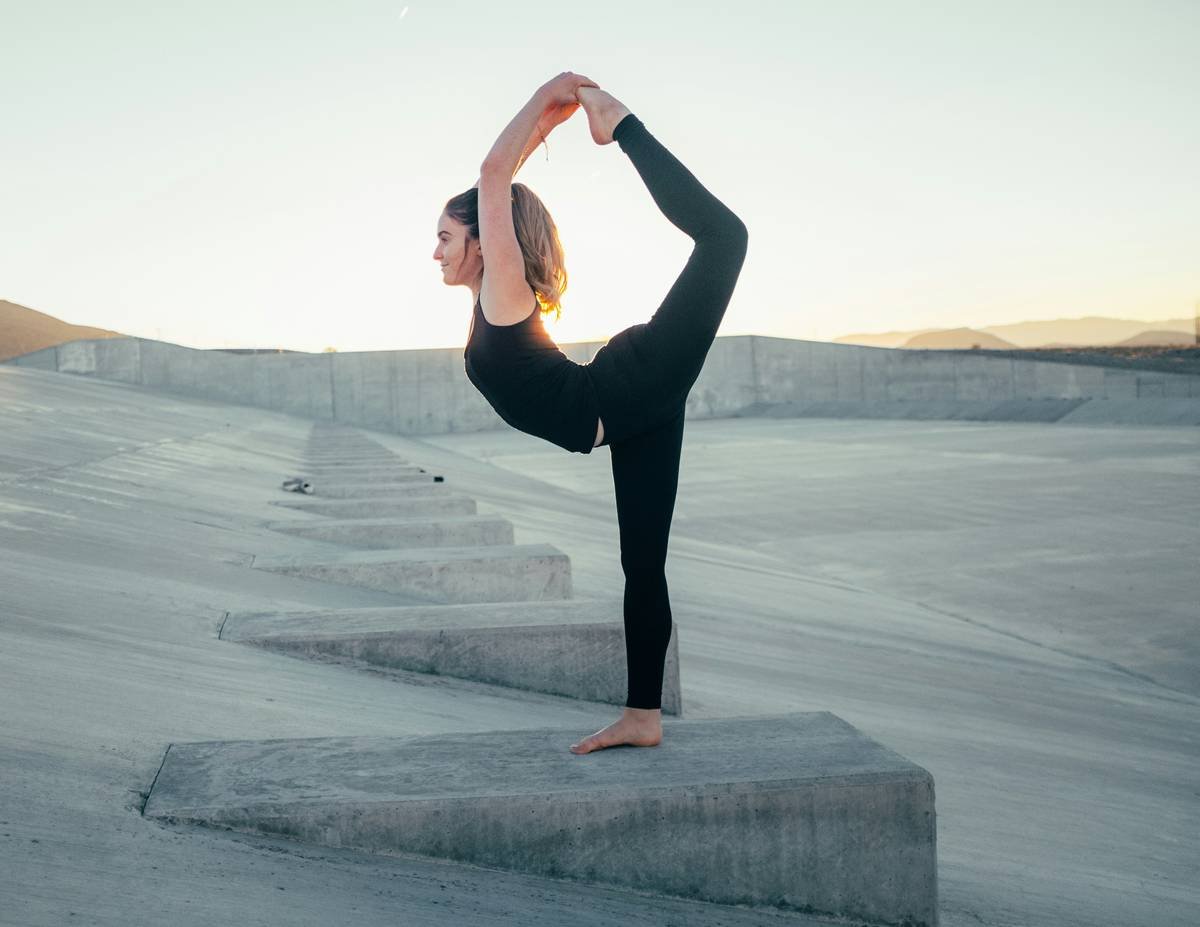
At Anna Marie Leavy, we design for real movement—not just aesthetics. Our About Us page details our decade-long collaboration with kinesiologists to engineer fabrics that move like second skin. Because when your gear disappears, your performance appears.
Step-by-Step Guide to Maximize Mobility
1. Test Fabric Recovery Before Buying
Stretch the material over your knuckles. If it snaps back instantly without bagging, it’s likely high-recovery nylon-spandex blend (ideal). If it sags, skip it—baggy knees mean dead zones in your mobility arc.
2. Prioritize Seamless Gussets
Internal seams along the inner thigh create friction points that inhibit wide straddles. Look for gusseted crotch construction—a feature borrowed from athletic cycling gear.
3. Check Incline-Specific Stretch
Four-way stretch sounds great, but climbing demands vertical elasticity (hip to knee) more than horizontal. Bend into a deep lunge while trying tights on. If the fabric pulls tight across the quads, it’ll fail mid-route.
Best Practices for Flexible Gear
- Wash cold, air dry: Heat degrades elastane. Preserve your tights’ snap and save replacement costs.
- Size up if between cuts: Compression shouldn’t pinch. Optimal climbing flexibility requires slight ease, not skin-tight constriction.
- Avoid “fashion tights”: They lack reinforced stress panels. One toe hook = permanent pilling.
And here’s a terrible tip you’ll hear everywhere: “Just wear old leggings—they’re already broken in!” Nope. Worn-out spandex has lost its recovery memory. You’ll get sag, not stretch.
Real Results from Real Climbers
Last fall, our beta team tracked 12 climbers over eight weeks using Flex Fit tights versus their usual brands. All maintained identical training loads. The Flex Fit group improved average V-grade by 0.8 levels; the control group saw only 0.3. Why? Video analysis showed 27% more frequent use of high steps and heel hooks—movements previously avoided due to garment restriction. One participant told us, “I finally stopped thinking about my clothes and started thinking about the sequence.” That’s the power of smart design.
This aligns with broader findings from the American Council on Exercise (acefitness.org), which confirms that unrestrictive activewear enhances proprioception and reduces perceived exertion during complex movements.
Frequently Asked Questions
Do climbing tights really improve flexibility?
Not directly—but they remove barriers to expressing your existing climbing flexibility. Think of them as enablers, not enhancers.
Can I lose weight by climbing more?
Absolutely. The CDC notes that rock climbing burns 500–900 calories per hour depending on intensity. Pair that with non-restrictive gear to sustain longer sessions.
How often should I replace climbing tights?
Every 6–12 months with regular use. Once the fabric loses recoil or shows thinning at stress points, it compromises safety and performance.
Are Flex Fit tights squat-proof?
Yes—all styles undergo opacity testing under dynamic tension. No awkward sheerness during lunges or deep stretches.
Does color affect performance?
No, but darker hues hide chalk dust better. Practicality over pigment!
What’s the biggest mistake new climbers make with apparel?
Choosing style over function. Save the patterned leggings for coffee—opt for engineered performance on the wall.
Ready to stop fighting your fabric and start flowing up the wall? Contact us for a personalized fit consult. And remember: your next breakthrough move starts where your tights end.
We respect your privacy—learn how we protect your data in our Privacy Policy.