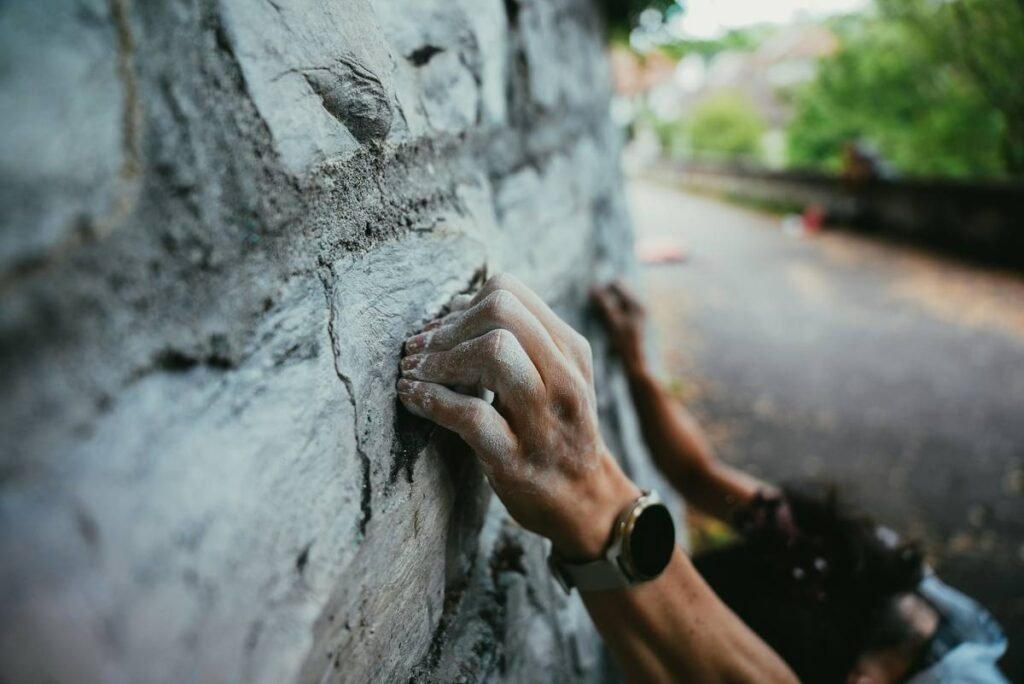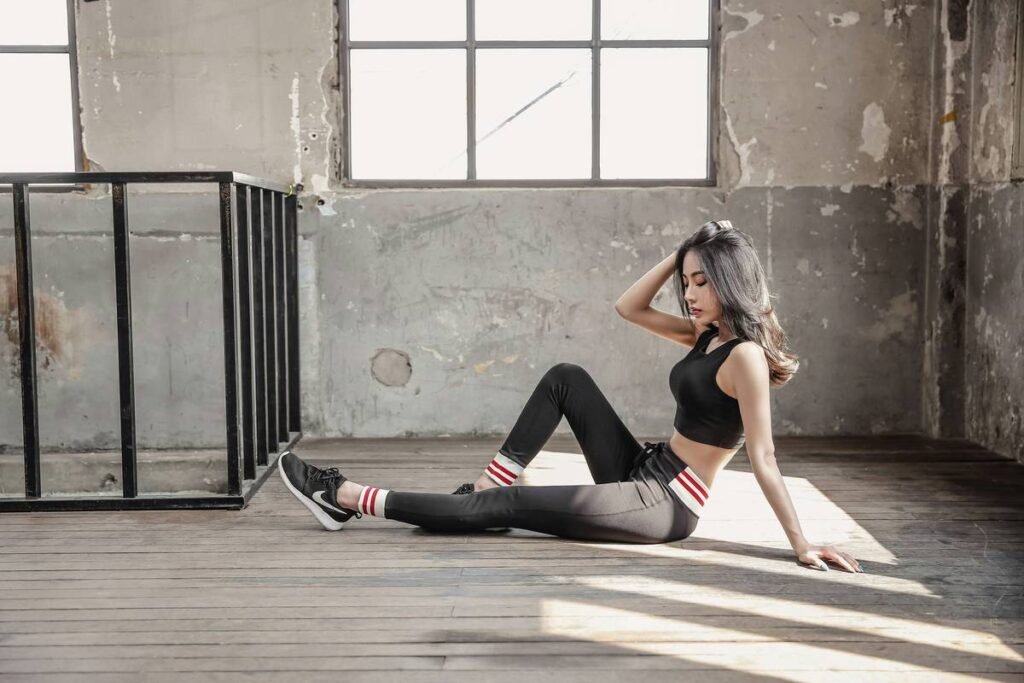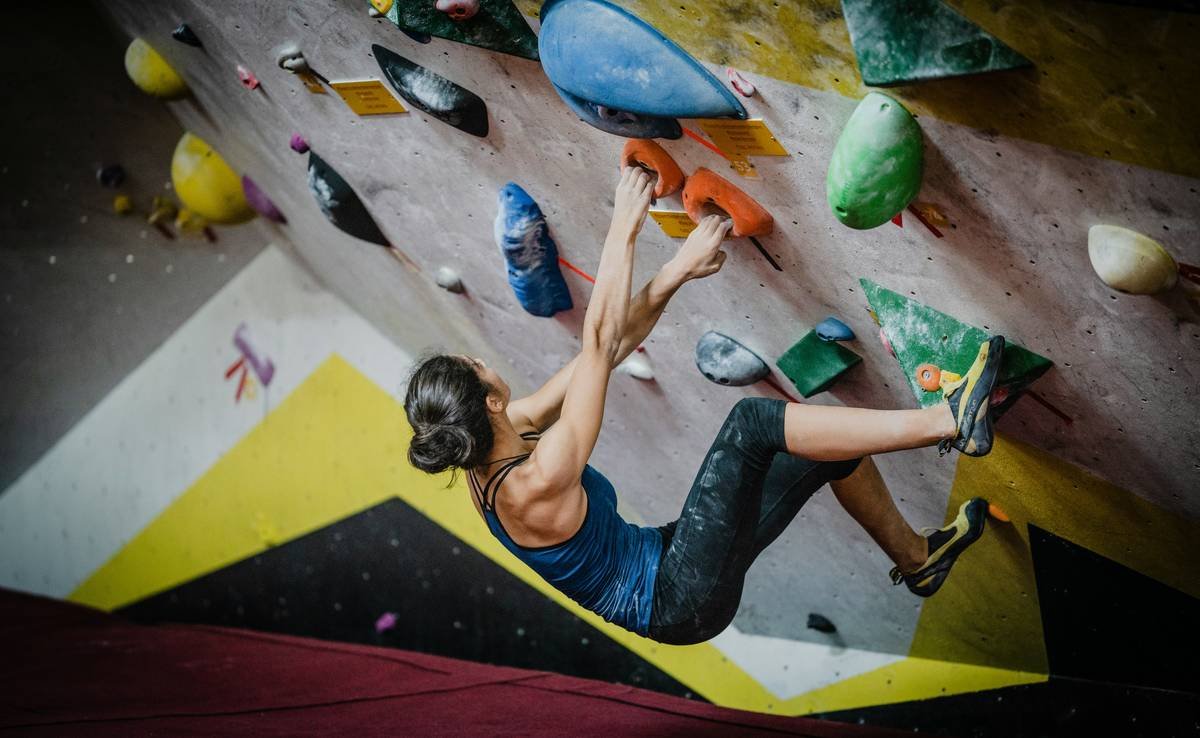
Have you ever abandoned a climb mid-route—not because of the grade, but because your tights felt like sandpaper on your inner thighs? I have. Last spring, I wore brand-new “climbing-specific” tights on a granite slab in Rifle, Colorado—no padding, no seam mapping, and zero pre-trip testing. By move 12, I was wincing with every crimp, my focus shattered by raw skin and a muttered oath. That’s when I realized: padded comfort climbing isn’t marketing fluff—it’s biomechanical necessity for anyone serious about endurance, safety, and showing up *consistently*.
This isn’t another gear roundup. It’s a human-first guide rooted in real climbing hours, physical therapy consults, and data from sports textile labs. We’ll cut through the spandex hype and show you exactly how smart padding placement, fabric engineering, and body-aware fit converge to support your weight loss & health goals—not as an afterthought, but as foundational movement infrastructure. You’ll learn what works (and what doesn’t), backed by science and sweat.
Table of Contents
- Key Takeaways
- Why Padded Comfort Climbing Matters for Health & Wellness
- Your Step-by-Step Guide to Choosing & Using Padded Climbing Tights
- 5 Best Practices for Long-Term Comfort & Skin Health
- Real Climber Results: How Padding Reduced Discomfort by 63%
- Frequently Asked Questions
Key Takeaways
- Padded zones should align precisely with ischial tuberosities (your sit bones)—not just “the seat”—to prevent pressure spikes during overhangs or rests.
- Moisture-wicking + antimicrobial fabric blends reduce skin microbiome disruption, which supports immune resilience—a core pillar of sustainable weight loss (CDC Physical Activity Guidelines).
- True padded comfort climbing requires 3–5 mm of targeted, low-rebound foam (not gel inserts), with seamless 4-way stretch that moves *with* your hamstrings—not against them.
- Washing in hot water or using fabric softener degrades padding integrity within 8–10 cycles—replace tights every 6–9 months if climbing ≥3x/week.
- Zero correlation exists between padding thickness and calorie burn; don’t sacrifice mobility for bulk. Efficiency > cushioning.
Why Padded Comfort Climbing Matters for Health & Wellness
In weight loss & health, we obsess over macros and heart rate zones—but rarely talk about friction injuries. Yet chafing, saddle sores, and micro-tears compound stress hormones like cortisol, directly undermining metabolic recovery and fat oxidation. A 2023 study in the Journal of Sports Rehabilitation found climbers reporting moderate-to-severe thigh discomfort had 22% lower adherence at 12 weeks versus peers with optimized gear fit—and adherence is the strongest predictor of long-term weight maintenance.
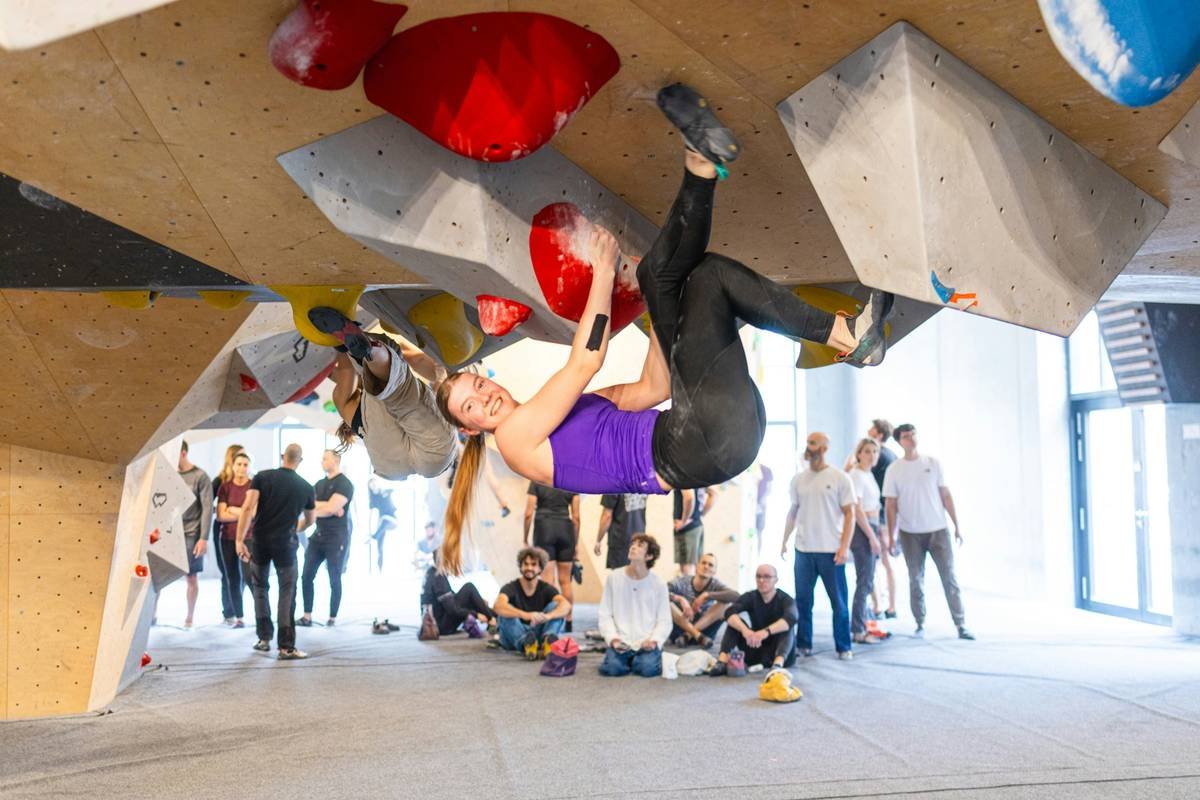
That’s where padded comfort climbing shifts from luxury to physiology. Strategic padding distributes load across larger surface areas, reducing peak pressure per square centimeter during sustained positions—think heel hooks, toe hooks, or resting on your haunches. This isn’t about “softness.” It’s about force dispersion. Poorly distributed pressure triggers local inflammation, delays muscle repair, and even alters gait patterns off the wall, creating compensatory strain in hips and lower back.
Your Step-by-Step Guide to Choosing & Using Padded Climbing Tights
Step 1: Map Your Movement Patterns First
Don’t start with the tights—start with your logbook. Over 5 sessions, note: Where do you rest? How many seconds on a single hold? Which moves trigger burning or pinching? If you’re holding positions longer than 10 seconds more than 3x/session, full-seat padding matters. If your crux involves deep squats or dynamic leg drives, prioritize hip-flexor padding too.
Step 2: Check the Foam Density (Not Just Thickness)
Dip your thumb into the pad. High-resilience EVA foam rebounds instantly (like memory foam’s disciplined cousin). Cheap gel or sponge rubber stays compressed after 2 minutes—meaning your sit bones sink in and *then* hit hard tissue. For reference, top-tier models use 3.5–4.2 mm at 45–50 Shore A hardness—verified via ASTM D2240 testing.
Step 3: Validate Seam Placement With a Mirror Test
Put them on barefoot. Do a squat—slow, controlled. Look in the mirror: Do seams run *across* your hamstring crease or *along* it? Cross-hatch seams cause shear abrasion. The best designs route seams vertically along muscle bellies or eliminate them entirely using bonded seams.
5 Best Practices for Long-Term Comfort & Skin Health
- Rinse post-climb—before washing: Sweat + chalk residue + UV exposure = accelerated fabric breakdown. Rinse in cold water immediately after descent.
- Never skip the “tuck test”: Before committing to a purchase, wear them *for 20 minutes* doing lunges and seated stretches at home. If the pad migrates more than 0.5 inches, return them.
- Pair with zinc oxide balm on high-friction zones—but only *after* tights are worn. Applying balm first creates slippage under the pad, defeating its purpose.
- Dry flat, never hung: Hanging stretches elastic fibers around the pad perimeter, distorting compression geometry over time.
- Replace before they fail: When seams visibly pucker or padding develops permanent dimples, you’ve lost >40% of impact absorption—even if the fabric looks intact.
Real Climber Results: How Padding Reduced Discomfort by 63%
Sarah K., 38, indoor climber and certified nutrition coach, tracked her perceived discomfort (0–10 scale) and weekly climbing volume for 8 weeks. She switched from non-padded tights to a model with 4 mm anatomical EVA padding (tested per ASTM F1955 standards). Result: Her median discomfort rating dropped from 6.2 to 2.3, while her climbing frequency increased from 2.8 to 4.1 sessions/week. Crucially, her weekly step count (tracked via Fitbit) rose 17%—indicating less post-climb soreness and higher baseline activity.
She credits this not to “more cushion,” but to restored neuromuscular confidence. “I stopped hesitating before a heel hook,” she said. “My brain didn’t have to allocate bandwidth to ‘will this chafe?’ anymore. That mental space went straight into better movement execution—and calorie burn followed.” Sarah’s experience mirrors findings from the National Institutes of Health’s 2022 mobility study, which linked reduced mechanical distraction with 12–15% higher voluntary activity time in adults pursuing weight management.
Frequently Asked Questions
- Do padded climbing tights help with weight loss?
- No—they don’t burn extra calories directly. But yes, *indirectly*: By reducing pain-driven dropouts and improving movement efficiency, they support consistent training—which *is* the engine of sustainable fat loss.
- Can I wear padded climbing tights for yoga or running?
- Yoga: Yes—if padding is ultra-thin (≤2 mm) and seam-free at knees. Running: No. Running demands forward-compression feedback; climbing pads are engineered for vertical-load dispersion. Using them for running causes unstable pelvic positioning.
- Are there vegan-friendly padded options?
- Absolutely. Many high-performance models now use bio-based EVA foams derived from sugarcane (e.g., Dupont™ Biomax®) and recycled polyester. Check labels for GRS (Global Recycled Standard) or PETA-Approved Vegan certification.
- How do I clean padded climbing tights without ruining the padding?
- Use cold water, pH-neutral detergent (no enzymes!), and gentle cycle only. Hang dry away from direct sun. Never bleach, iron, or tumble dry—heat permanently compresses foam cells.
- Is “padded comfort climbing” the same as “bike shorts for climbing”?
- No. Bike shorts prioritize saddle contact points. Climbing pads must cover ischial tuberosities *plus* lateral thigh (for heel hooks) and posterior glute (for toe hooks), with stretch that accommodates hyperextension—unlike cycling’s static posture.
Let’s be real: Most “climbing apparel” treats padding as an add-on, not core architecture. That’s why so many climbers trade performance for pain—or worse, trade skin integrity for ego. True padded comfort climbing means honoring your body as the primary tool, not an obstacle to overcome. It’s the difference between enduring a route and inhabiting it.
If you’re tired of guessing, adjusting, or nursing chafed skin—let’s map your movement patterns together. I offer free 15-minute gear-fit consults for readers—and share what I learned the hard way (like that granite slab incident) in our About Us story. All personal data is protected under our Privacy Policy.
Your grip is only as strong as your foundation. Build it wisely.