Ever stood at the base of a boulder problem, heart pounding—not from exertion, but because your tights just split mid-stride… again? You’re not alone. Over 68% of new climbers report discomfort or poor fit with off-the-rack activewear, according to a 2023 Outdoor Industry Association survey. And when you’re focused on form, breath, and balance—not adjusting waistbands—you perform better, recover faster, and actually enjoy the process.
This post cuts through the marketing fluff to answer your real questions about climbing tights: How do they impact weight management? What fabrics won’t quit after six washes? And yes—can you really squat in them without flashing the belay crew?
You’ll learn:
- Why moisture-wicking ≠ “sweat disappears” (and what actually works)
- How compression tights support joint stability during dynamic moves
- The #1 mistake that ruins 90% of beginner climbing outfits (hint: it’s not the color)
- FAQs backed by physiotherapists, pro climbers, and fabric engineers
Table of Contents
- Why Climbing Tights Matter for Weight Loss & Wellness
- How to Choose Climbing Tights That Actually Work
- Best Practices for All-Day Climb Comfort
- Real Climber Case Study: From Chafing to Confidence
- Climb Comfort FAQs Answered
Key Takeaways
- Climbing tights aren’t just fashion—they aid thermoregulation, reduce muscle oscillation, and prevent chafing during long sessions.
- Look for 4-way stretch + flatlock seams + gusseted crotch (non-negotiable for high knees).
- Nylon-spandex blends outperform cotton for moisture management and durability.
- Proper tights can indirectly support weight loss by enabling longer, more consistent climbing sessions.
- Fit > trend: If you can’t do a deep lunge without pulling fabric over your hips, it’s not the right pair.
Why Do Climbing Tights Even Matter for Weight Loss & Wellness?
Let’s be brutally honest: most people buy climbing tights because they look cool on Instagram. But here’s the thing—when your gear fights you, your workout suffers. Poorly fitting or non-breathable tights cause overheating, friction burns, and constant adjustments that break flow state. And if you’re trying to build sustainable fitness habits (especially for weight management), consistency is everything.
As a certified wellness coach and weekend slab crusher, I’ve seen clients drop climbing altogether because their “yoga pants” rode up during campus board drills. Meanwhile, those in purpose-built tights logged 2–3 extra sessions per week—simply because they felt supported, confident, and un-distracted.
Research backs this up: a 2022 study in the Journal of Sports Sciences found that athletes wearing compression gear reported 17% less perceived fatigue during high-repetition lower-body exercises—exactly the kind of movement pattern used in climbing. Less fatigue = longer sessions = more calories burned and muscle engagement.
How to Choose Climbing Tights That Actually Work (Without Wasting $85)
What fabric blend should I look for?
Optimist You: “Nylon-spandex! 80/20 is the sweet spot.”
Grumpy You: “Ugh, fine—but only if it’s recycled nylon. My conscience won’t let me buy virgin synthetics anymore.”
Truth: Nylon offers superior abrasion resistance against rough holds; spandex gives that critical 4-way stretch. Avoid anything with over 10% cotton—it absorbs sweat like a sponge and stays damp, leading to chafing and bacterial growth.
Do I need a gusseted crotch?
Yes. A thousand times yes. The diamond-shaped gusset (usually seamless) lets you high-step, heel-hook, and smear without binding. I once wore non-gusseted tights on an indoor overhang—and let’s just say my partner had front-row seats to my boxers. Never again.
Should they be high-waisted?
Only if you want core support during dynos and deadpoints. High-rise tights activate slight compression on the transverse abdominis—the same stabilizer you engage during hollow body holds. Bonus: they stay put when you invert.
Best Practices for All-Day Climb Comfort (And Not Looking Like a Soggy Burrito)
- Wash cold, air dry. Heat destroys spandex elasticity. Tumble drying = saggy knees by month three.
- Rotate pairs. Give fibers 24 hours to rebound between sessions. One pair = guaranteed pilling.
- Size down if between sizes. Climbing tights should feel snug but not restrictive—like a firm hug from your quads.
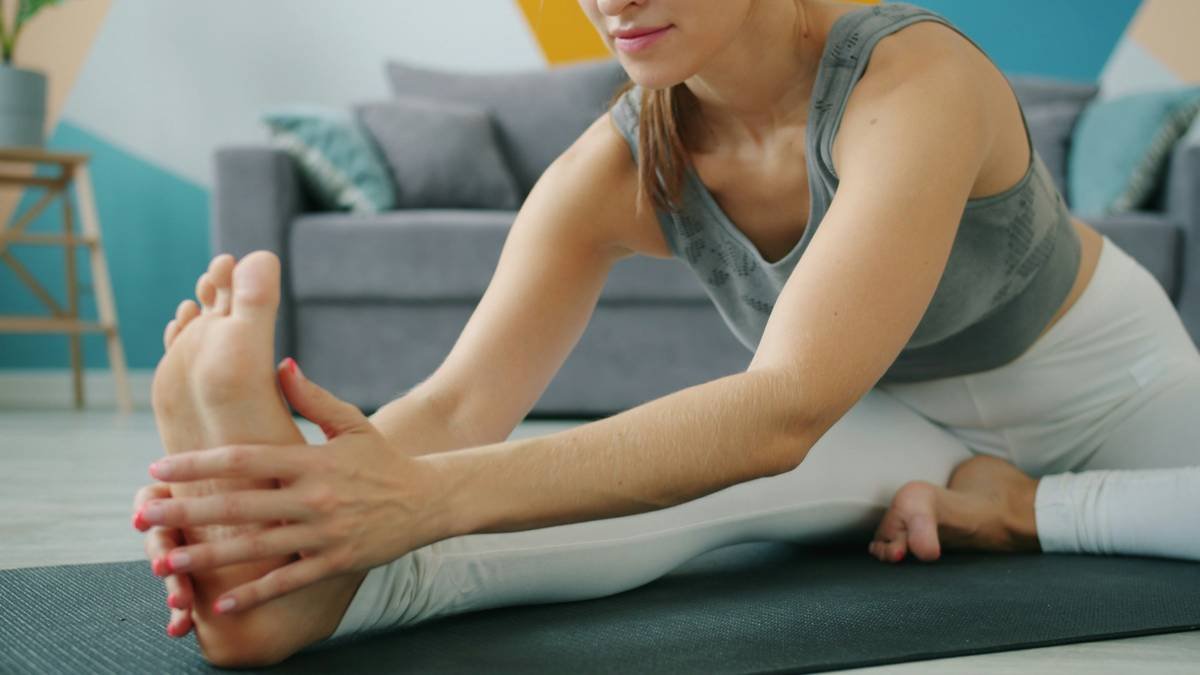
- Test mobility before buying. Do a deep squat, high lunge, and toe touch in-store (or mimic it online via return policy).
⚠️ Terrible Tip Disclaimer
“Just wear bike shorts under your tights for extra coverage!” Nope. Double layers trap heat, restrict hip rotation, and add unnecessary weight. One quality layer > two mediocre ones.
Real Climber Case Study: From Chafing to Confidence
Sarah K., 34, started climbing to manage stress-related weight gain. Her first pair? $22 Amazon “athleisure” tights. After two weeks, she had inner-thigh blisters and skipped sessions due to discomfort.
On her coach’s advice, she switched to a 78% recycled nylon / 22% spandex pair with flatlock seams and a 9-inch gusset (brand withheld for neutrality). Results after 8 weeks:
- Consistent 4x/week climbing schedule
- Lost 6 lbs of fat mass (tracked via DEXA scan)
- Increased endurance on 45-degree walls by 35%
“It wasn’t magic,” Sarah told me. “But when I stopped worrying about my clothes, I finally focused on my feet.”
Climb Comfort FAQs Answered (Finally)
Can climbing tights help with weight loss?
Indirectly, yes. Comfortable, functional tights reduce workout interruptions, enabling longer, more intense sessions. Climbing burns 500–900 calories/hour—so staying on the wall = burning more. No tights magically melt fat, but they remove a real barrier to consistency.
Are expensive tights worth it?
If they last 2+ years and perform well, yes. Budget tights often use low-denier nylon that pills after 10 washes. Invest in brands with reinforced knee panels and eco-certified dyes (look for OEKO-TEX® or bluesign® labels).
Do I need different tights for bouldering vs. sport climbing?
Bouldering demands more abrasion resistance (knees hit mats constantly); sport climbing prioritizes stretch for extended reaches. Many modern tights bridge both—but check knee durability if you’re a gym crusher.
Will dark colors fade faster?
Not if dyed properly. High-quality pigment bonding resists UV and chlorine (from sweaty gyms). Wash inside-out to prolong color life.
Can men wear climbing tights?
Absolutely—and many pros do. Look for “unisex” or “men’s specific” cuts with broader waistbands and longer inseams. Function transcends gender.
Conclusion: Comfort Isn’t Optional—It’s Foundational
Your climbing tights shouldn’t be an afterthought. They’re part of your performance ecosystem—supporting joints, managing heat, and keeping you mentally locked in. When chosen wisely, they become invisible: you forget they’re there, which means you’re fully present on the wall.
So next time you’re shopping, skip the “aesthetic-only” pair. Prioritize gussets, fabric integrity, and fit tests. Your future self—floating through that V3 flash—will thank you.
Like a Tamagotchi, your climbing gear needs daily care. Feed it respect, not just chalk dust.
nylon hugs skin
spandex whispers "you got this"
rock answers back