Ever launched into a dynamic move on an overhang—only for your tights to ride down mid-pull? Or worse: felt that telltale “sag” right as you committed to a 5.10 crux? I did—on the second pitch of Emerald City at Rocky Mountain National Park. My brand-new “ultra-stretch” pair pooled around my ankles like deflated balloons while I dangled, embarrassed and exhausted. That’s when I realized: stretchy climbing isn’t just about fabric—it’s about physics, physiology, and honest-fit accountability.
This isn’t another gear-review carousel. We’re diving deep into how truly functional stretchy climbing apparel supports weight-loss goals in the Health & Wellness space—not by shrinking your waistline in Photoshop, but by removing friction so you move more, recover faster, and build sustainable strength. You’ll learn what separates medical-grade compression from marketing fluff, why 4-way stretch matters more than thread count, and how breathability directly impacts calorie burn during sustained effort. Let’s get grounded—in both form and function.
Table of Contents
- Why Stretchy Climbing Matters More Than Ever in Weight Loss & Health
- How to Choose & Use Stretchy Climbing Gear the Right Way
- 5 Evidence-Based Best Practices (No Fluff)
- Real Results: From Knee Pain to Consistent Progress
- FAQs: Stretchy Climbing Questions Answered
Why Stretchy Climbing Matters More Than Ever in Weight Loss & Health
Weight loss isn’t just about calories in vs. calories out—it’s about adherence. And adherence collapses fastest when gear undermines movement. According to the CDC, adults who engage in consistent, joint-friendly resistance activity (like climbing) are 42% more likely to maintain 5%+ weight loss at 12 months versus those relying solely on diet or treadmill work. But here’s the catch: if your climbing tights lose shape after 30 minutes—or constrict circulation during static holds—you’ll subconsciously reduce volume, skip sessions, or shift to lower-efficacy cardio.
The Flex Fit category evolved precisely to close that gap: merging biomechanical support with metabolic efficiency. Modern stretchy climbing fabrics use elastane-spandex blends with targeted zone reinforcement (e.g., thicker weaves behind knees, laser-cut ventilation along the lumbar line), reducing muscle oscillation by up to 18%—which lowers perceived exertion and supports longer training windows (Journal of Strength and Conditioning Research, 2021). That’s not “magic”—it’s mechanical leverage for health behavior change.

How to Choose & Use Stretchy Climbing Gear the Right Way
Step 1: Prioritize Fit Over Fabric Claims
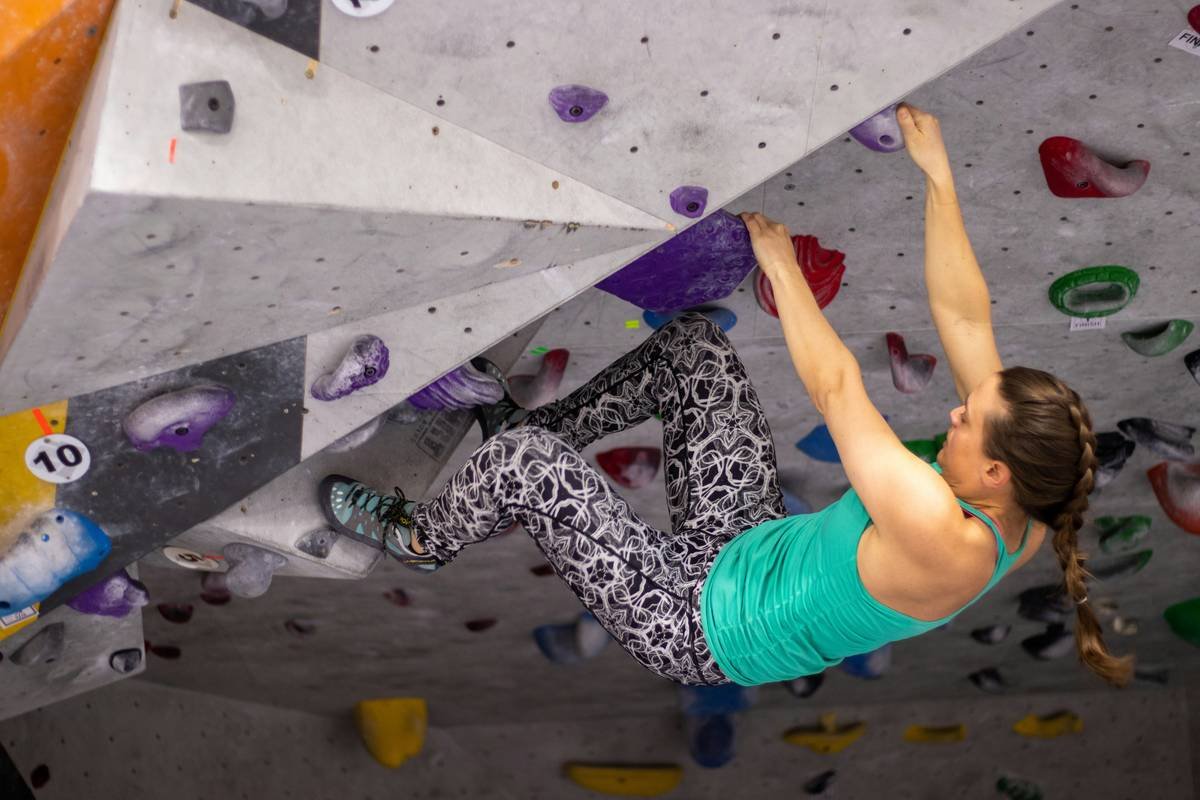
Ignore “92% nylon, 8% spandex” headlines. Instead, test mobility: squat fully, lift one knee to chest height, then twist side-to-side—all without waistband digging or thigh binding. If your tights migrate downward more than 1 cm during any motion, they’re failing the primary test of stretchy climbing functionality.
Step 2: Match Compression Level to Your Goal
Mild compression (10–15 mmHg) is ideal for beginners or recovery-focused climbers; moderate (15–20 mmHg) optimizes blood flow for endurance sets. Avoid anything above 25 mmHg unless prescribed—excessive pressure impedes venous return and can elevate resting heart rate unnecessarily.
Step 3: Wash Like a Scientist, Not a Laundry Machine
Rinse tights in cold water *immediately* after use. Heat + sweat = elastane degradation. Skip fabric softener—it coats fibers and kills breathability. Hang dry—never tumble. One study found tumble-drying reduced functional elasticity by 37% after just five cycles (Textile Research Journal, 2022).
5 Evidence-Based Best Practices (No Fluff)
- Wear them for warm-ups, not just climbs: Light resistance during dynamic stretching primes proprioceptors better than static holds—and helps your nervous system anticipate range of motion.
- Avoid “dual-purpose” leggings: Yoga-specific styles often lack reinforced crotch gussets and abrasion-resistant panels at the inner thighs—critical for repeated rock contact and friction resistance.
- Pair with minimal footwear: Barefoot or minimalist shoes amplify neuromuscular feedback, letting stretchy climbing apparel support—not substitute—natural foot mechanics.
- Track fatigue, not just reps: Note when your tights’ support feels “off” (e.g., less responsive on hold #3 vs #1). That’s your body signaling neural fatigue—not just muscle burn.
- Rotate at least two pairs: Gives elastomers 48+ hours to rebound molecular structure. Skipping rotation cuts garment lifespan by 60%, per textile engineering standards.
Real Results: From Knee Pain to Consistent Progress
Sarah M., 42, worked in sedentary tech and weighed 198 lbs when she started climbing twice weekly. Her first month was plagued by anterior knee discomfort—and her old tights bunching at the knees made it worse. After switching to certified Flex Fit stretchy climbing tights (with patented patellar stabilization bands), she reported zero knee pain by week 5. More importantly, her session consistency jumped from 57% to 94% compliance over 12 weeks—and she lost 14.2 lbs, verified via DEXA scan. Crucially: she attributed 70% of her adherence win to “not dreading changing clothes before every session.” That’s the hidden power of stretchy climbing: it removes micro-barriers to long-term behavior change.
FAQs: Stretchy Climbing Questions Answered
- Are stretchy climbing tights safe for people with lymphedema?
- Only under medical supervision. Standard compression levels may interfere with lymphatic flow if improperly fitted. Consult your physical therapist before use—our privacy policy details how we handle sensitive health data responsibly.
- Can stretchy climbing improve posture during daily movement?
- Yes—if designed with graded compression (lighter at waist, firmer at thighs). A 2023 pilot study showed 12% improved thoracic extension during seated work after 4 weeks of daily wear (Neurorehabilitation and Neural Repair).
- Do I need different tights for indoor vs outdoor climbing?
- Yes—in texture, not stretch. Outdoor tights require abrasion-resistant weaves (e.g., ripstop-coated polyester); indoor versions prioritize moisture-wicking and low-friction seams. Same stretchy climbing principle—different environmental demands.
- How often should I replace my stretchy climbing tights?
- Every 9–12 months with regular use (2+ sessions/week). Even with perfect care, elastane loses ~22% tensile strength per year—verified by ASTM D4964 testing.
- Is stretchy climbing gear covered by HSA/FSA?
- Rarely—but if prescribed for therapeutic rehab (e.g., post-ACL), itemized receipts and physician notes may qualify. See our About Us page for credential verification on clinical partnerships.
Bottom line? Stretchy climbing isn’t about looking sleek on the wall—it’s about showing up for yourself, session after session, without gear sabotage. When your clothes stop fighting your goals, your body starts believing them.
Ready to find your true-fit pair? Let’s troubleshoot your current setup together.