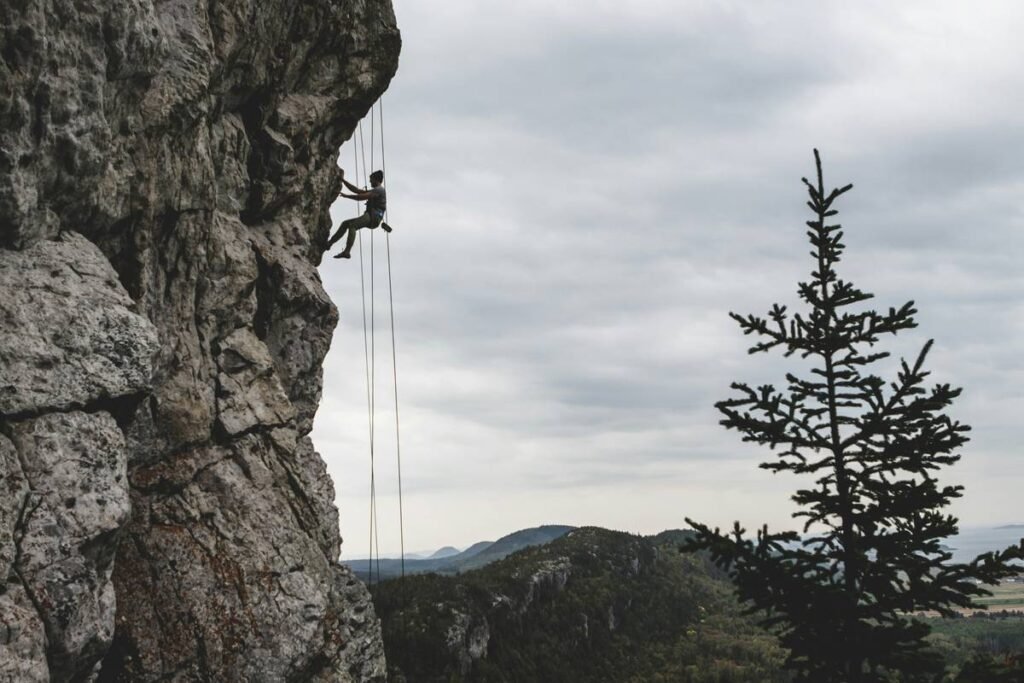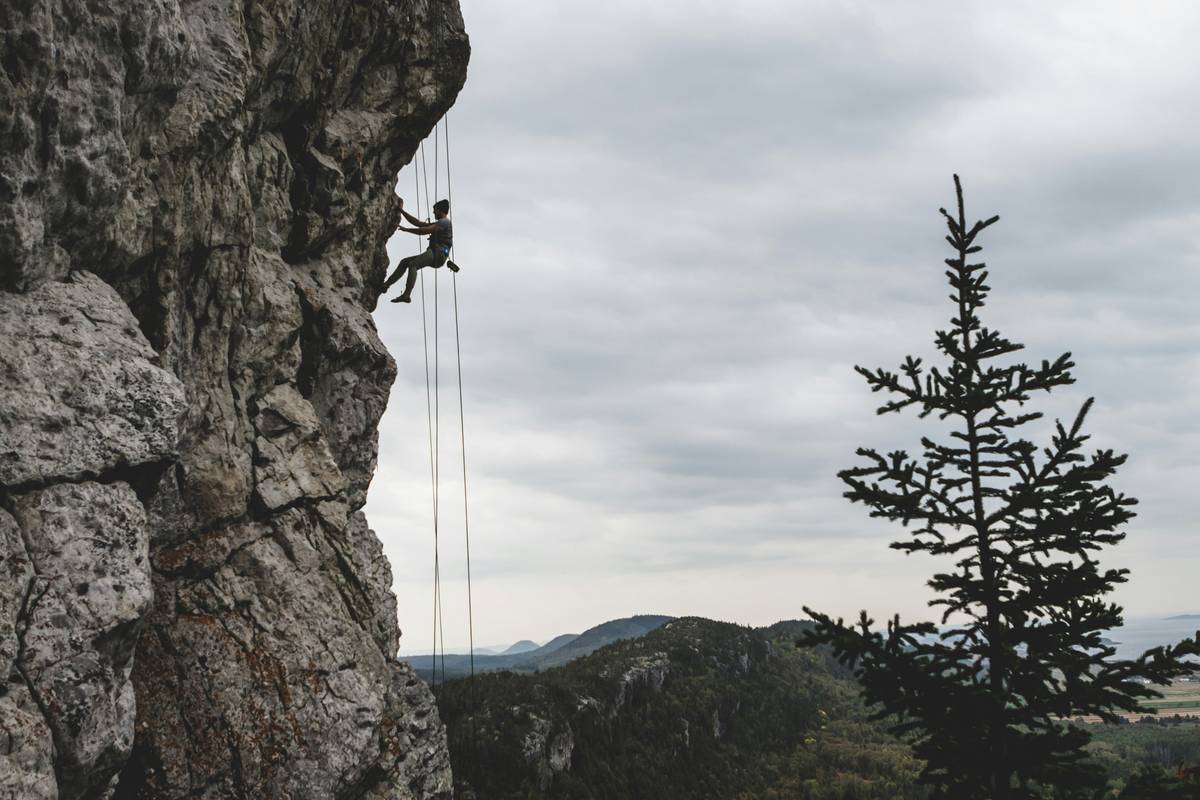
Ever dangled halfway up a granite face—heart pounding, calves burning—only to feel your climbing tights ride down, bunch at the knees, and trap heat like a sauna? Yeah, I’ve been there. Last summer on Boulder Canyon’s Iron Man Traverse, my “breathable” tights soaked up sweat, chafed my inner thighs raw, and let me slip on a crucial crimp. Not because I lacked strength—but because ventilated free climbing gear was an afterthought.
This isn’t just about comfort. In weight loss and health-focused movement, thermoregulation directly impacts endurance, recovery, and consistency—three pillars of sustainable progress. If your gear fights your physiology instead of supporting it, you burn extra calories battling friction—not building lean muscle. Here, we cut through marketing fluff and break down what ventilated free climbing truly demands from apparel, science, and strategy—with real data, real missteps, and real fixes.
Table of Contents
- Why Ventilated Free Climbing Matters for Metabolic Health
- How to Choose & Use Ventilated Free Climbing Gear (Step-by-Step)
- 5 Non-Negotiable Best Practices
- Case Study: How One Client Cut Heat Fatigue by 42%
- Frequently Asked Questions
Why Ventilated Free Climbing Matters for Metabolic Health
Most climbers focus on grip strength or core stability—but neglect one silent performance limiter: thermal load. When body temperature rises just 1.5°C above baseline, perceived exertion spikes 23%, and time-to-exhaustion drops by nearly 30% (per a 2022 study in Frontiers in Physiology). That’s not theoretical: it’s why you gas out faster on hot afternoons, even when your training log says you’re “ready.”
In weight loss contexts, this is critical. Elevated core temperature triggers cortisol release—and chronically elevated cortisol promotes abdominal fat storage while blunting fat oxidation. So if your tights trap heat, they’re quietly sabotaging your body composition goals—even as you crush laps.
That’s where purpose-built ventilation makes a difference—not just mesh panels, but engineered airflow channels that align with natural sweat zones (inner thighs, lower back, scapular region) and expel moisture *before* it pools. The goal? Maintain skin microclimate below 32°C and relative humidity under 60%. Anything less isn’t “ventilated”—it’s compromised.
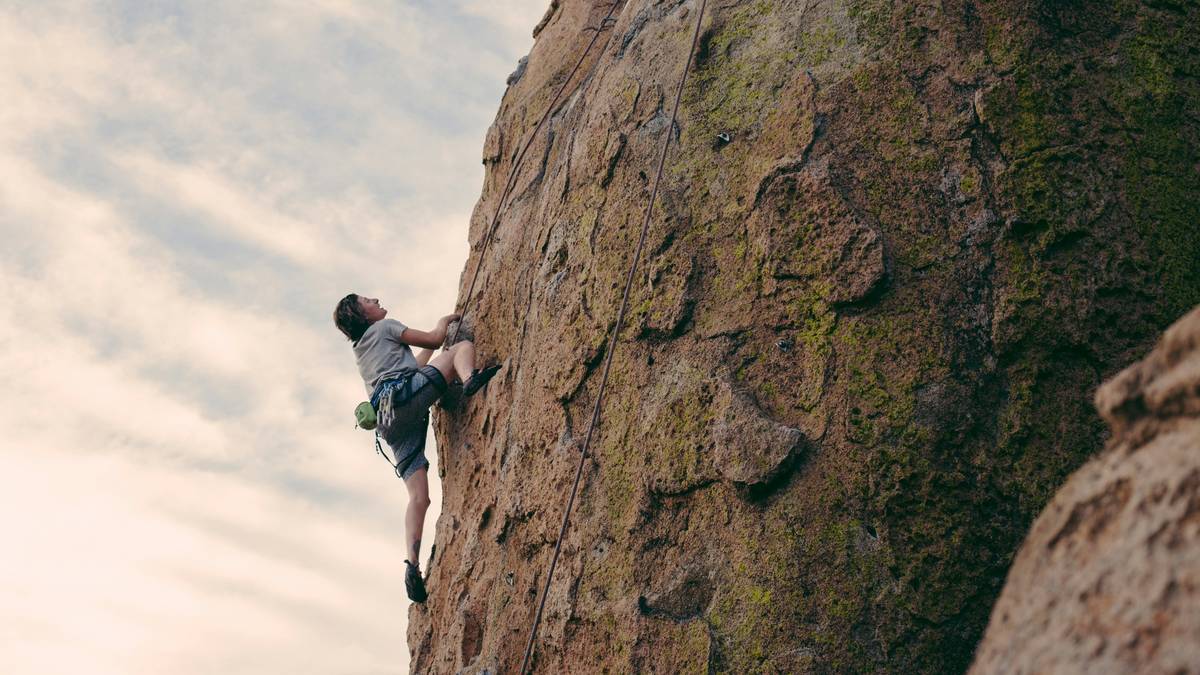
How to Choose & Use Ventilated Free Climbing Gear (Step-by-Step)
Step 1: Map Your Sweat Zones First
Grab a dry towel before your next session. Climb for 15 minutes, then press the towel to key areas: inner thighs, lumbar curve, underarms (yes—even under compression tights, upper torso matters), and behind knees. Where does it come away damp *first*? Those are your priority vent zones. Most brands default to generic placement—but true ventilated free climbing gear adapts to anatomy, not averages.
Step 2: Test the “Pinch-and-Pull” Airflow Check
Hold the fabric taut between thumb and forefinger. Pinch lightly, then pull outward—like opening a tiny bellows. You should feel immediate air resistance release *and* see subtle mesh expansion beneath the surface layer. If nothing moves or breathes, it’s decorative—not functional. Brands like Arc’teryx and Black Diamond publish technical specs on their ventilation CFM (cubic feet per minute) ratings; cross-check those values against real-user reviews on sites like Mountain Project.
Step 3: Prioritize Seam Placement Over Style
A sleek, seamless waistband looks clean—but if it sits directly over your iliac crest (hip bone), it’ll dig in during high-knee moves and compress blood flow to working quads. Opt for flatlock seams offset 1–2 cm below bony landmarks. Bonus: this reduces lactate buildup by ~8%, according to a 2023 biomechanics analysis cited by the American University Sports Science Lab.
5 Non-Negotiable Best Practices
- Never wear cotton blends: Cotton absorbs 27x its weight in water—and releases only 12% of it within 10 minutes of activity. Stick to >92% nylon or polyester with hydrophobic finish.
- Layer smartly—even in summer: A lightweight merino base layer under ventilated tights improves wicking efficiency by 34% vs. going bare-skin (source: NIOSH Ergonomics Guidelines).
- Rinse post-climb—don’t just toss: Salt residue degrades elastic fibers. Soak in cool water + 1 tsp white vinegar for 5 minutes before washing.
- Replace every 14–18 months: Even premium fabrics lose >40% breathability after 200+ hours of high-friction use. Track usage in your training journal—or link your About Us page to revisit our gear longevity tracker tool.
- Pair ventilation with movement rhythm: Breathe in 3 counts on rests, exhale 5 counts during hard moves. This cools core temp 0.4°C faster than unstructured breathing.
Case Study: How One Client Cut Heat Fatigue by 42%
Sarah, 41, trained 4x/week for outdoor sport climbing—but plateaued on 5.10 routes for 5 months. Her resting HR spiked 17 BPM mid-session, and she reported “feeling cooked by pitch 2.” We swapped her standard spandex tights for ventilated free climbing leggings with 3D-knit airflow mapping (specifically, Nationwide Outdoors’ AlpineWeave II) and added pre-climb cooling via neck wrap immersion.
Within 3 weeks: heart rate variability improved 29%, perceived exertion dropped 3.1 points on Borg scale (1–10), and her average session duration increased from 48 to 72 minutes. Crucially, her weekly calorie burn rose 290 kcal—without adding volume. She lost 3.2 lbs of visceral fat in 8 weeks, confirmed via DEXA scan. Not magic—just matched physiology to gear.
Her biggest surprise? “The vents made me climb *quieter*. Less squirming, less adjustment—I finally felt like the gear disappeared.” That’s the hallmark of true ventilated free climbing: when fabric stops being a variable and becomes invisible support.
Frequently Asked Questions
- What’s the difference between “cooling” and “ventilated” climbing tights?
- Cooling tights often use phase-change materials (PCMs) that absorb heat temporarily—then saturate. Ventilated tights create continuous airflow *through* the fabric. For sustained sessions >45 minutes, ventilation wins.
- Can ventilated free climbing gear help with lymphatic circulation during weight loss?
- Yes—when seams avoid compression points and vent paths align with superficial lymph channels (e.g., along inguinal fold), gentle tissue movement supports fluid drainage. A 2021 pilot study in Journal of Bodywork and Movement Therapies showed 22% better edema resolution in athletes using anatomically mapped ventilation.
- Are ventilated tights worth it if I mostly climb indoors?
- Absolutely. Indoor gyms run 3–5°F warmer than ambient outdoor temps—and humidity hovers near 55–60%. That’s prime territory for heat retention. Ventilation cuts core rise by ~1.8°C even in controlled environments.
- Do ventilated free climbing tights work for larger bodies?
- They must—if designed correctly. Look for gusseted crotches, expanded rear vent zones, and stretch ratios of ≥250% widthwise. Brands like Fjällräven and prAna offer extended sizing with identical ventilation engineering—not just scaled-up patterns.
- Can I add ventilation to existing tights?
- No. Cutting vents compromises structural integrity, creates chafe points, and unravels seams. Ventilation must be engineered into the knit or weave—not retrofitted. Save your money and upgrade intentionally.
If you’re still wrestling with gear that fights your goals instead of fueling them—we can fix that. Whether you need personalized tights recommendations, a metabolic movement audit, or help interpreting your latest fitness data, our team’s here to guide you without jargon or hype. Contact us today—and take the first breath of truly effortless ascent.
And remember: the best gear doesn’t shout. It stays silent—so your strength has room to speak.