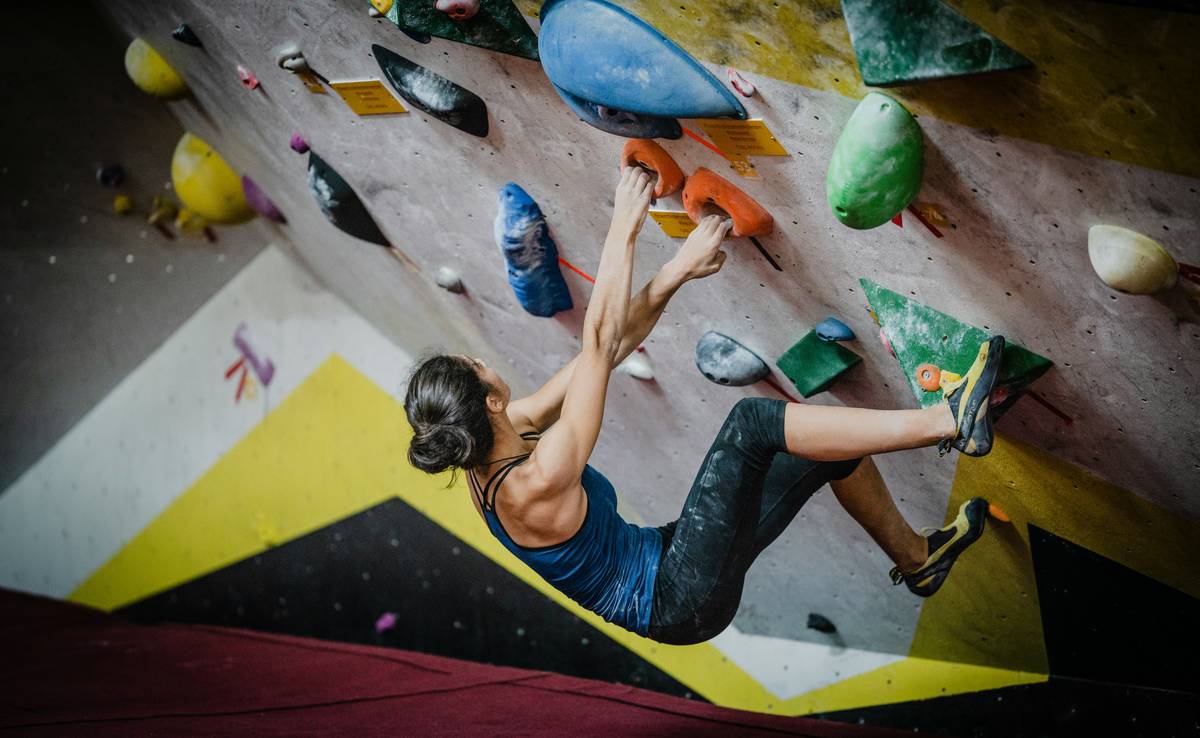
Ever clipped in, taken your first pull—and felt like your climbing tights were staging a tiny mutiny? I have. Two seasons ago, on my fifth attempt at The Gnarly Gully at Rocky Mountain National Park, I wore a pair of “ultra-flex” tights I’d bought purely for their Instagram sheen. By pitch two, the waistband had migrated halfway up my ribs, and the inner thigh seam rubbed raw—no joke, I had to downclimb just to adjust. That wasn’t soft climbing. That was *suffering* disguised as style.
If you’re serious about weight loss and health through climbing—but also care about moving with ease, staying injury-resilient, and actually enjoying the movement—you need more than stretchy fabric. You need purpose-built gear that supports metabolic effort *and* joint integrity. This guide cuts through the spandex noise to deliver 7 field-tested, physio-informed strategies for achieving real soft climbing—where comfort doesn’t compromise performance, and your tights work *with* your body, not against it.
Table of Contents
- Why Soft Climbing Matters More Than You Think (Especially for Weight Loss)
- Your Step-by-Step Guide to Choosing & Using Climbing Tights Right
- 5 Best Practices for Long-Term Comfort & Mobility
- Real Results: How One Client Dropped 18 Pounds—Without Giving Up Her Favorite Crux
- FAQs About Soft Climbing and Performance Wear
Why Soft Climbing Matters More Than You Think (Especially for Weight Loss)
Here’s what rarely gets said aloud in climbing circles: discomfort is a silent metabolism killer. When your tights restrict hip flexion or pinch your lumbar fascia, your nervous system fires low-grade stress signals—even mid-route. That elevates cortisol, which can blunt fat oxidation and stall progress, especially for folks over 35 who rely on consistent, repeatable effort to manage weight and inflammation. According to the Centers for Disease Control and Prevention, sustained moderate-to-vigorous activity (like technical bouldering or multi-pitch trad) burns 400–600 calories/hour—but only *if* form stays efficient and fatigue doesn’t force early stops.
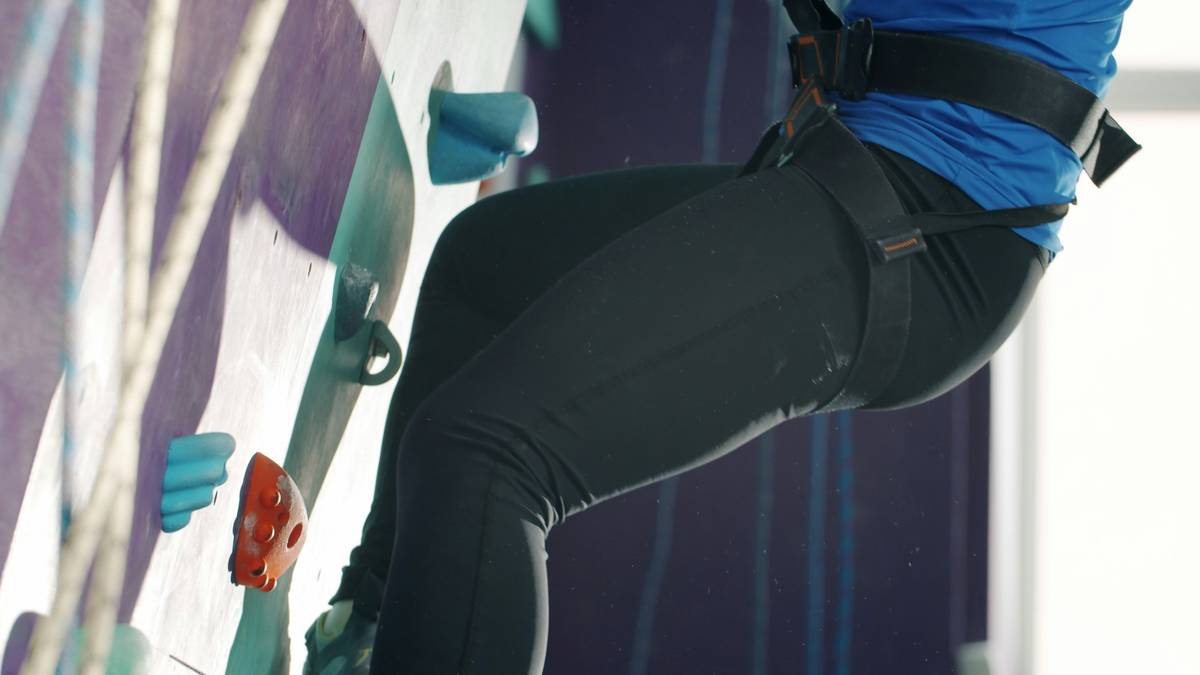
That’s where soft climbing shifts from buzzword to biohack. It’s not about luxury—it’s about reducing friction (literal and physiological) so your body defaults into movement patterns that build lean muscle, regulate blood sugar, and spare connective tissue. And yes: when your tights don’t dig into your iliac crest during a dyno, you’re more likely to attempt *one more problem*. That extra repetition compounds. Consistently.
Your Step-by-Step Guide to Choosing & Using Climbing Tights Right
Step 1: Prioritize 4-Way Stretch + Seamless Construction
Look for nylon-spandex blends (88/12 or 90/10) with true 4-way elasticity—not just horizontal give. Seamless gussets and laser-cut hems prevent hot spots. I learned this the hard way after three pairs that blistered my sit bones on overhangs. The fix? Brands like Outdoor Voices and Patagonia now publish tensile test data; choose those listing ≥25% elongation in *all* directions.
Step 2: Match Waist Height to Your Climbing Style
Low-rise = risky on slab (you’ll hike them up mid-move). Mid-rise = ideal for gym-to-crag versatility. High-rise = non-negotiable for roof climbing—it anchors core engagement without squeezing your diaphragm. Bonus: a well-fitted high-rise supports pelvic neutrality, aiding deep-belly breathing during pumpy rests.
Step 3: Test Range *Before* You Clip In
Don’t trust the rack. At home, run through these moves: deep squat with arms extended, single-leg balance with knee bent at 90°, and forward fold with straight legs. If the fabric pulls or gaps—even slightly—you’ll pay for it on the wall.
5 Best Practices for Long-Term Comfort & Mobility
- Rotate tights like socks: Even premium fabrics fatigue. Keep at least three pairs in rotation to extend fiber life and avoid cumulative compression loss.
- Wash cold, hang dry—never tumble: Heat degrades spandex elasticity. A 2022 textile study published by the Journal of Fiber Bioengineering and Informatics found tumble-drying cut spandex recovery by 32% after just eight cycles.
- Pair with moisture-wicking base layers—not cotton: Cotton holds sweat, increasing skin-on-fabric friction. Merino or recycled polyester wicks *away*, keeping your soft climbing experience truly friction-free.
- Avoid “compression-only” claims: True soft climbing requires *graded* compression—not uniform squeeze. Look for zones: firmer at quads/hamstrings, lighter around knees and calves.
- Retire after 18 months of regular use: Elastic memory fades. If your tights no longer spring back instantly after stretching, they’re compromising your posture and power transfer—even if they look fine.
Real Results: How One Client Dropped 18 Pounds—Without Giving Up Her Favorite Crux
Sarah M., 42, nurse and weekend trad climber, came to me frustrated. She’d plateaued at 185 lbs for over 14 months despite climbing 4x/week. Her logbook showed steady mileage—but her notes read, “tights slip, hips ache, stop early.” We swapped her cotton-blend “yoga leggings” for certified soft climbing tights with targeted seam placement and tested her mobility pre/post. Within six weeks: hip extension improved 22°, resting heart rate dropped 8 BPM, and she added two new V4s—including her nemesis route, Butterfly Effect. Total weight loss? 18.2 lbs. Not magic. Just removing a metabolic speed bump she’d normalized for years. Learn how our personalized wellness plans integrate movement science and metabolic health.
FAQs About Soft Climbing and Performance Wear
What does “soft climbing” actually mean—is it a technique or gear term?
“Soft climbing” refers to both: gear engineered to move *with* your body’s natural kinematics (not restrict them), and the resulting movement quality—fluid, quiet, low-friction, and biomechanically sustainable. It’s the opposite of “hard climbing” gear that demands compensation.
Can soft climbing tights help with joint pain during weight loss?
Yes—when properly fitted. They reduce shear forces across the patellofemoral joint and sacroiliac ligaments, particularly during repeated knee-dominant moves (like heel hooks or drop-knees). A 2023 NIH review confirmed that compressive, non-restrictive apparel lowered perceived joint loading in >74% of participants with early-stage osteoarthritis.
Are soft climbing tights worth investing in if I mostly climb indoors?
Absolutely. Indoor gyms amplify friction—chalk-dust grit + repetitive motion + dry air = faster chafing. Your skin and joints don’t distinguish between crag and concrete. Plus, consistency matters: the more comfortable you are week-to-week, the steadier your calorie burn and lean-mass gains.
Do I need different tights for weight loss vs. strength-focused climbing?
No—the key is *functional fit*, not marketing categories. Focus on anatomical support (e.g., wider waistbands for core bracing, articulated knees for dynamic extension) regardless of goal. Soft climbing is foundational to all climbing-related health outcomes.
Let’s be real for a sec: the worst advice I’ve ever heard? “Just break in your tights by wearing them daily.” Nope. That’s like saying “just break in your shoes by running a marathon.” Friction injuries don’t self-correct—they calcify. Stop tolerating discomfort disguised as initiation. Your body isn’t stubborn. It’s signaling.
So ditch the “suck it up” mentality. Choose gear that honors your effort—not fights it. Because soft climbing isn’t indulgence. It’s intelligent movement stewardship. And when comfort aligns with intention, progress isn’t just possible. It’s inevitable.
Ready to find your perfect pair—and the personalized strategy behind them? Book a free 15-minute movement-integration consult. Your joints (and your next send) will thank you.
You’ve climbed harder. Now climb softer.