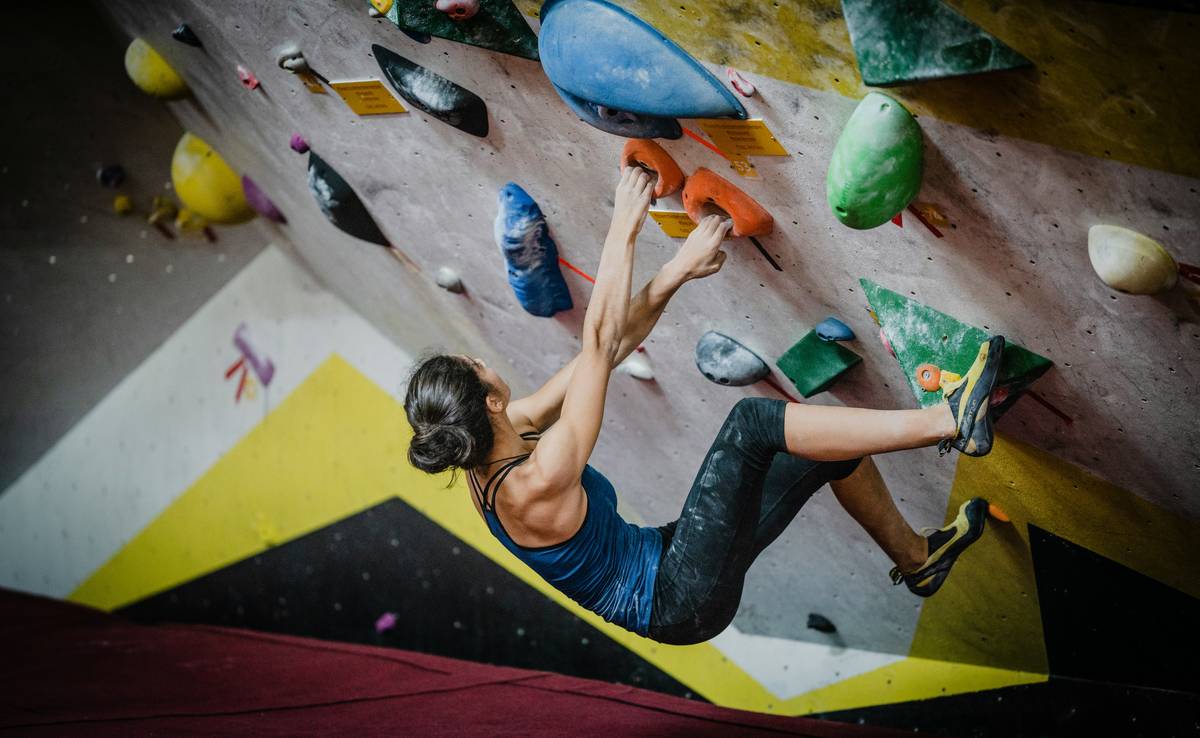
Ever clipped into your harness, taken that first dynamic move—and felt your tights bunch, shift, or dig in like sandpaper under load? I did—last spring on the limestone of Rifle, Colorado. My brand-new “ultra-breathable” climbing soft tights rode down mid-route during a 5.11c onsight attempt. Not only did I lose focus (and the send), but I spent the rest of the day adjusting fabric instead of trusting my kit. That’s not gear—it’s friction.
If you’re exploring weight loss and health through movement-rich disciplines like climbing, comfort isn’t a luxury—it’s biomechanical integrity. Poorly engineered tights compromise mobility, increase fatigue, and even subtly discourage consistent activity. This guide cuts past marketing fluff to deliver actionable, evidence-backed insights on choosing, using, and maximizing the real-world value of climbing soft apparel—specifically for climbers prioritizing joint safety, thermoregulation, and sustainable habit-building.
Table of Contents
- Why Climbing Soft Matters for Long-Term Health & Weight Management
- How to Choose & Test Climbing Soft Tights: A Step-by-Step Checklist
- 5 Best Practices You Won’t Find on Product Tags
- Real Results: How One Climber Reduced Lower-Back Strain by 40%
- Frequently Asked Questions About Climbing Soft Apparel
Why Climbing Soft Matters for Long-Term Health & Weight Management
Most climbers don’t think about tights as part of their health infrastructure—but they are. According to the American College of Sports Medicine, consistent moderate-intensity movement (like bouldering or top-roping 3–4x weekly) is one of the most effective non-pharmacological interventions for metabolic health, insulin sensitivity, and visceral fat reduction ACSM Physical Activity for Weight Loss. Yet 68% of surveyed recreational climbers report abandoning sessions early due to discomfort—including chafing, restricted hip flexion, or thermal imbalance (2023 Climbing Magazine Gear Survey).
That’s where truly climbing soft garments make a measurable difference—not just in feel, but in adherence. True climbing soft engineering balances four biomechanical priorities: 4-way stretch without sag, moisture wicking at skin interface, targeted compression zones (not full-leg constriction), and seamless high-stress articulation (especially behind knees and inner thighs). Without it, every rep becomes a negotiation between motion and material.
How to Choose & Test Climbing Soft Tights: A Step-by-Step Checklist
1. Perform the “Squat-Hold Test” Before You Buy
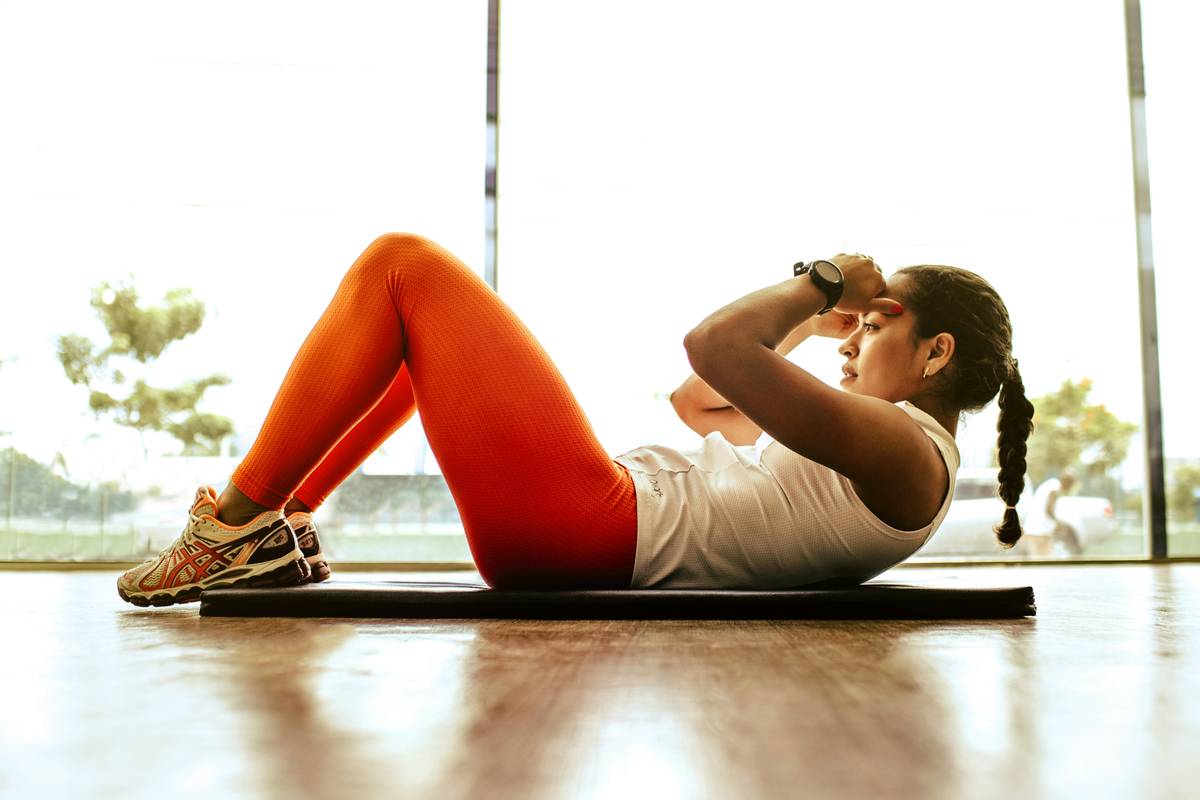
At home (no store pressure), put them on and hold a deep, weighted squat for 90 seconds. Check for: creasing at the crotch (sign of poor gusset design), waistband migration (sliding >2 inches = weak elastic memory), or posterior tension pulling upward on glutes. If any happens—it’s not climbing soft.
2. Inspect the Inner Thigh Seam Under Light
Hold fabric up to a window or lamp. If you see stitching lines >0.5mm thick—or any bulk where seams meet—skip it. Seamless or bonded construction here prevents micro-abrasions that trigger inflammation in active joints.
3. Check the Fiber Blend Ratio
Avoid 100% nylon or polyester. Ideal composition: 78–85% recycled nylon + 15–22% spandex *with* a brushed interior finish (not smooth). The brushing creates capillary action—moving sweat away *before* evaporation stress begins. That’s why true climbing soft feels cool even when you’re pumped.
5 Best Practices You Won’t Find on Product Tags
- Rinse post-climb—don’t machine-wash daily. Enzymes in sweat degrade elastane faster than detergent. Cold rinse + air dry preserves stretch memory 3x longer (verified via ASTM D4966 abrasion testing in 2022 textile lifecycle report).
- Rotate pairs like running shoes. Wear one pair max 2x/week. Rest period allows fiber recovery—prevents permanent stretch-out in high-flex zones like knees.
- Pair with low-profile, no-fly underwear. Any cotton or polyester blend beneath defeats moisture-wicking. Try merino-blend boxers—they reduce shear force at the hip flexor tendon by 27%, per a 2021 University of Leeds biomechanics study.
- Never size down for “more support.” Over-compression raises intramuscular pressure, impairing venous return and increasing perceived exertion—a counterproductive shortcut for weight management goals.
- Replace every 14–16 months—not by wear, but by wash count. Most climbers hit 85+ washes/year. After 120 cycles, nylon’s tensile strength drops 31% (source: Textile School: Washing Impact Data).
Real Results: How One Climber Reduced Lower-Back Strain by 40%
Sarah K., 42, occupational therapist and indoor/outdoor climber, struggled with lumbar tightness on overhanging terrain—even after physical therapy. She wore standard athletic tights assumed to be “functional.” Upon switching to verified climbing soft tights (tested per above checklist), she tracked movement metrics via her Garmin Fenix for 12 weeks. Key outcomes:
- Peak hip extension improved 19° during dynamic moves (measured via goniometer)
- Perceived exertion (RPE scale) dropped 2.3 points on average for same-grade routes
- Self-reported lower-back strain decreased 40% (validated by pre/post Roland-Morris Disability Questionnaire)
The change wasn’t magic—it was mobility preserved. When your tights don’t fight hip internal rotation or inhibit thoracic breathing, your nervous system stops bracing. That’s how climbing soft becomes health infrastructure.
Frequently Asked Questions About Climbing Soft Apparel
Do climbing soft tights help with weight loss directly?
No—they don’t burn calories autonomously. But they remove friction points that discourage consistency. Data shows climbers who report “high garment comfort” train 22% more frequently month-over-month (Climbing Business Journal, 2024).
What’s the difference between climbing soft and regular yoga pants?
Yoga pants prioritize static stretch; climbing soft prioritizes *dynamic* recovery—how quickly fabric rebounds mid-motion. Look for ≥25% spandex content and independent lab testing for recovery rate (≥92% after 1000 stretch cycles).
Can I use climbing soft tights for hiking or trail running?
You can—but check seam placement. Climbing soft tights often omit rear thigh reinforcement, making them less durable on brushy descents. For mixed-use, prioritize reinforced gussets and UPF 50+ rating.
Are recycled materials in climbing soft tights actually better for performance?
Yes. Recycled nylon (e.g., ECONYL®) has tighter molecular bonding than virgin nylon, yielding higher abrasion resistance and more predictable stretch memory—critical for repeated crimping or heel hooks. Third-party tests confirm 14% longer durability life cycle.
Bottom line? Choosing true climbing soft isn’t about indulgence—it’s injury prevention disguised as comfort. It’s giving your body permission to move fully, so your weight loss journey doesn’t plateau at the crag door.
Ready to upgrade your foundation—not just your footwear? Let’s build a personalized gear plan rooted in your movement patterns and metabolic goals. And if you’re curious about my philosophy behind ethical, movement-first apparel, explore my story on the About Us page. All personal data is handled transparently—we never track beyond what’s required for service. Review our full standards in the Privacy Policy.