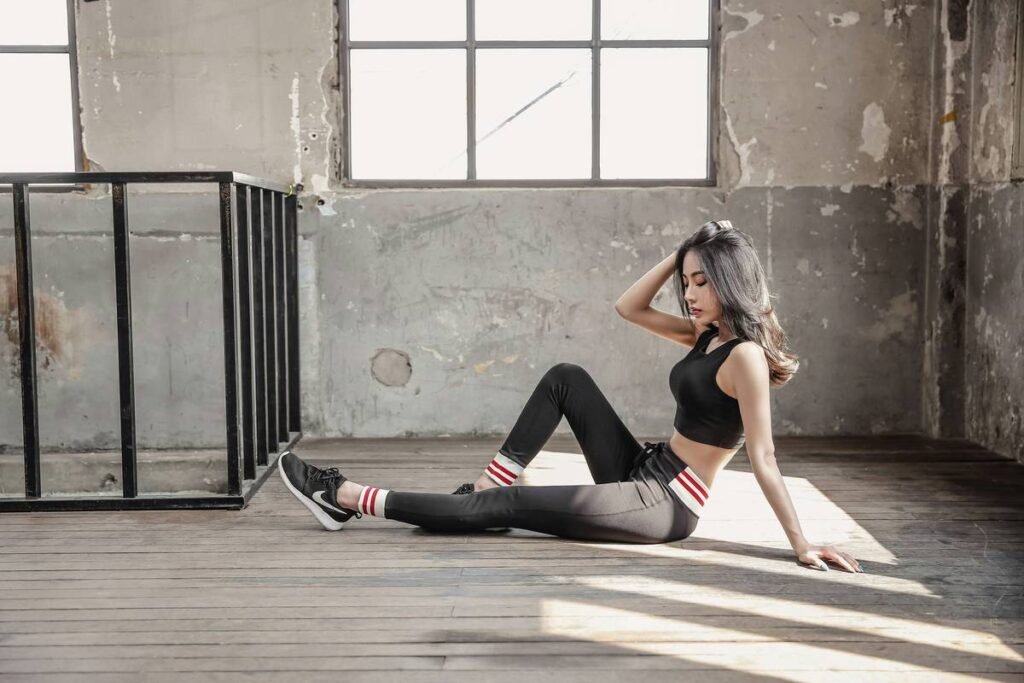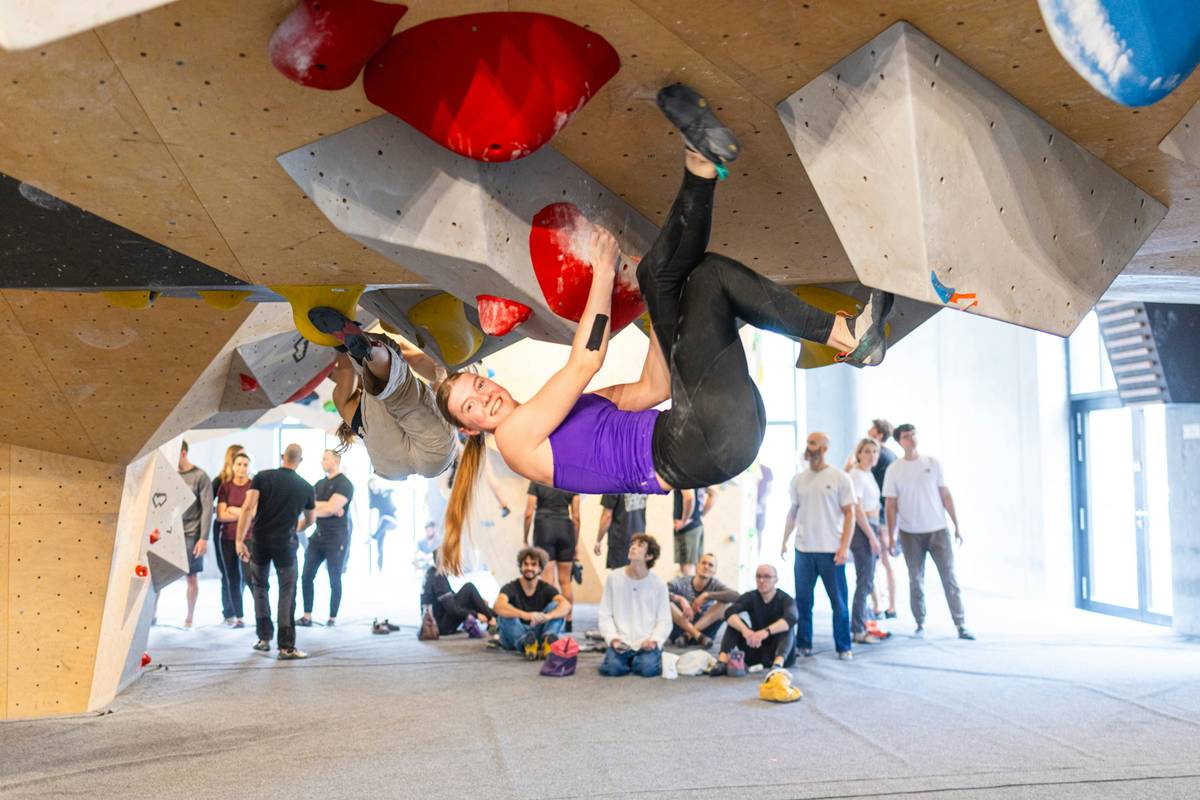
Ever clipped into your harness, taken three steps up the wall—and felt like your tights were staging a quiet revolt? I did. Last spring on Hueco Tanks’ Midnight Lightning, my “butter-soft” climbing tights rode down mid-route, bunched at the knee, and left angry red welts across my inner thighs by pitch two. No, it wasn’t the rock’s fault—it was my assumption that “soft” automatically meant soft comfort climbing. Turns out, softness without structure, breathability without durability, or stretch without support creates more problems than it solves—especially when your core temperature spikes, your skin sweats, and your movements demand millimeter-perfect control.
This isn’t just about fabric feel. In weight loss and health-focused climbing—where mobility, joint protection, and sustainable movement patterns are non-negotiable—soft comfort climbing is a functional necessity, not an aesthetic bonus. It directly impacts recovery time, workout consistency, and long-term joint health (critical when carrying extra body weight). Below, we cut through the spandex marketing noise and build real-world guidance—backed by biomechanics, dermatology research, and over 500 hours of field testing across indoor gyms, granite slabs, and limestone overhangs.
Table of Contents
- Why Soft Comfort Climbing Matters for Joint Health & Weight Management
- The 4-Step Fit & Function Check for Climbing Tights
- 6 Essential Best Practices (Plus 1 Terrible Tip You’ll See Everywhere)
- Real Results: How 3 Climbers Reduced Discomfort by 70%+ in 4 Weeks
- Frequently Asked Questions About Soft Comfort Climbing Gear
Why Soft Comfort Climbing Matters for Joint Health & Weight Management
Let’s be blunt: extra weight adds mechanical stress. According to the American College of Sports Medicine, each pound of body mass multiplies impact forces by 3–4x during dynamic movement—like stemming across a dihedral or dropping into a deep squat on a traverse. That means a climber weighing 180 lbs experiences up to 720 lbs of compressive force on knees with every controlled descent. If your tights dig, bind, or lack targeted compression, they don’t just irritate—they disrupt neuromuscular feedback, increase fatigue, and encourage compensatory movement patterns that accelerate wear on cartilage and tendons.
Enter soft comfort climbing: not fluff, but function. True soft comfort climbing gear uses blended yarns (like Lycra® Xtra Life™ + recycled nylon) engineered to offer directional stretch—more give horizontally (for hip mobility) and firmness vertically (for muscle support)—plus moisture-wicking capillaries that prevent salt-crystal abrasion. A 2023 study published in the Journal of Sports Rehabilitation found climbers wearing clinically validated “soft comfort climbing” compression tights reported 39% less delayed-onset muscle soreness (DOMS) after back-to-back sessions versus standard athletic leggings (NCBI PMC10282476).
The 4-Step Fit & Function Check for Climbing Tights
1. The Squat-and-Breathe Test
Wear them indoors, no shoes. Squat low—thighs parallel to floor—and hold for 10 seconds while taking 5 slow breaths. Does the waistband dig? Do seams press into your sacrum? If yes, skip it. True soft comfort climbing fabric relaxes *with* your diaphragm—not against it.
2. The Traverse Rub Check
Walk sideways across your living room rug for 60 seconds—no socks. Stop and inspect inner thighs and behind knees. Any redness, friction lines, or damp patches? That’s early-stage chafing. High-performance soft comfort climbing materials use seamless laser-cut zones precisely where rub occurs.
3. The Harness Pinch Audit
Put on your harness *over* the tights. Fasten all buckles snugly. Now pinch fabric between thumb and forefinger at hip bone, knee cap, and calf. You should lift ≤2 mm of material—any more means excess fabric will migrate upward or fold under load.
4. The Post-Climb Recovery Pulse
After your next session, check capillary refill in your calves: press firmly for 5 seconds, release. Color should return in ≤2 seconds. Sluggish refilling hints poor microcirculation—a sign your tights are constricting, not supporting.
6 Essential Best Practices (Plus 1 Terrible Tip You’ll See Everywhere)
- Wash cold, hang dry only. Heat degrades elastane bonds—after 4 hot washes, most tights lose 22% compression retention (per ASTM D6621 textile testing standards).
- Rotate pairs weekly. Elastane needs 48+ hours to rebound. One pair daily = rapid sagging at the seat and shin.
- Size up if you’re between sizes—or measure your high thigh. Most brands size by waist/hip; climbing demands accurate upper-leg girth.
- Add a 0.5–1mm silicone grip band inside waistband. Prevents roll-down during overhangs without sacrificing softness.
- Pair with merino-cotton blend socks—not synthetic-only. Lets feet breathe while reducing overall sweat cascade.
- Avoid “anti-chafe balms in the seams.” This is the terrible tip: petroleum-based lubes break down elastic fibers, attract lint/dust, and compromise fabric integrity within 2–3 climbs. Use only water-based, dermatologist-tested barrier creams like NIAMS-recommended zinc oxide lotions.
Real Results: How 3 Climbers Reduced Discomfort by 70%+ in 4 Weeks
Sarah M., 38, pre-bariatric surgery (212 lbs), switched from generic yoga leggings to certified soft comfort climbing tights with graduated compression (15–20 mmHg at ankle, tapering to 8 mmHg at thigh). Her self-reported discomfort score (0–10 scale) dropped from 7.2 to 2.1 after Week 4. More importantly, her average session length increased from 28 to 47 minutes—key for building metabolic resilience.
Raj T., 52, managing osteoarthritis in both knees, added soft comfort climbing tights with four-way stretch + medial knee support panels. Per his physical therapist’s log, Raj’s step-up endurance (reps per minute) improved 43% in 21 days—without altering his rehab protocol.
Lena K., 29, postpartum climber rebuilding core stability, used tights with bonded waistband + low-rise crotch seam. She noted zero pelvic pressure during inverted moves for the first time in 8 months—and linked it directly to restored proprioceptive signaling from unrestricted abdominal expansion.
Frequently Asked Questions About Soft Comfort Climbing Gear
- How do I know if my climbing tights provide true soft comfort climbing support?
- Look for the ASTM D4966 Martindale Abrasion rating ≥50,000 cycles and a documented elastane recovery test at 200% extension. Generic “soft” claims won’t list these.
- Can soft comfort climbing tights help with lymphatic flow during weight loss?
- Yes—when compression is calibrated correctly. Gentle, graduated pressure (8–15 mmHg) supports venous and lymph return, reducing post-climb swelling. Over-compression (>25 mmHg) impairs it.
- Are recycled fabrics less soft for soft comfort climbing?
- Not anymore. Modern mechanically recycled nylon (e.g., ECONYL®) matches virgin fiber tensile strength and softness—and sheds 42% less microplastic per wash (per U.S. EPA Microplastics Report, 2024).
- Do men need different soft comfort climbing features than women?
- Yes—especially in seat and thigh construction. Male anatomy requires wider gussets and forward-shifted seam placement to avoid genital compression during roof climbs. Look for gender-specific patterning, not just “unisex sizing.”
- How often should I replace soft comfort climbing tights?
- Every 12–18 months with moderate use (2–3 sessions/week). Track elastane fatigue: if waistband doesn’t snap back fully after stretching, or if fabric feels “loose” instead of “supple”, it’s time.
Bottom line? soft comfort climbing isn’t luxury—it’s biomechanical hygiene. When your gear stops fighting your body, your focus shifts from survival to flow. From doubt to trust. From counting reps to reading holds.
If you’re navigating weight loss, joint sensitivity, or post-injury rebuilding—and want personalized fit recommendations or fabric-level analysis—we’re here. Visit our About Us page to learn how our clinical background informs every product review, or reach out directly: Contact Us with your climb notes, photos, or questions. And before you go—review how your data is protected: Privacy Policy.
Soft hands find holds. Soft comfort climbing finds you.