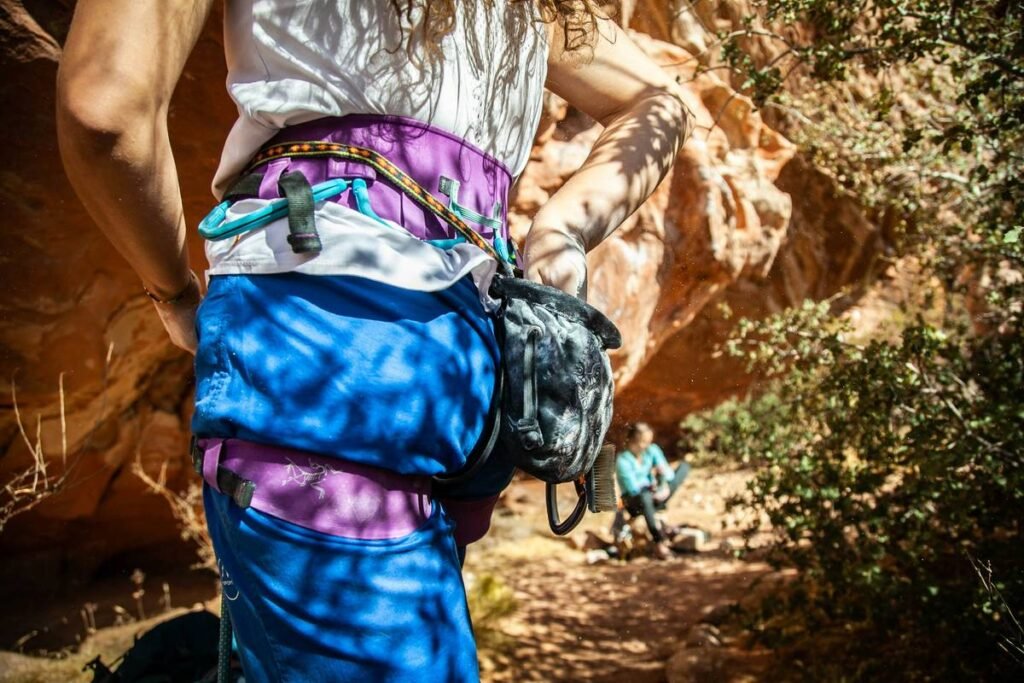
Ever unzipped your climbing tights after a brutal session at the crag and felt like your hamstrings were auditioning for a role in The Mummy? Yeah. Me too. And no, chugging water or doing one lazy toe-touch won’t fix it.
If you’re serious about climbing—and you wear performance tights that hug every quad twitch—you know tight muscles aren’t just annoying. They’re performance killers. They limit range of motion, increase injury risk, and turn recovery into a guessing game.
In this post, you’ll learn exactly how to stretch tight muscles the right way—specifically for climbers who train hard, sweat harder, and live in moisture-wicking tights. We’ll cover:
- Why climbers get uniquely tight (hint: it’s not just your hip flexors)
- A step-by-step dynamic + static stretching protocol backed by sports science
- Real mistakes I made (like foam rolling my IT band into oblivion)
- When stretching actually backfires—and what to do instead
Table of Contents
- Why Climbers Get So Darn Tight
- Step-by-Step: How to Stretch Tight Muscles After Climbing
- Best Practices for Long-Term Flexibility
- Real Results from a Week of Smart Stretching
- FAQ: How to Stretch Tight Muscles
Key Takeaways
- Climbers develop tightness in the lats, hip flexors, forearms, and calves—not just the usual suspects.
- Stretch when muscles are warm; never cold. Post-climb (after 10 min cool-down) is ideal.
- Hold static stretches 30–45 seconds per side—no bouncing. Dynamic moves go pre-session.
- Foam rolling ≠ stretching. Use it before static holds to prep tissue.
- Consistency beats intensity: 10 mins daily > 60 mins once a week.
Why Climbers Get So Darn Tight
Climbing isn’t running. It’s not even CrossFit. It’s a vertical puzzle where your body contorts into unnatural positions while pulling with everything you’ve got. You’re constantly engaging stabilizers, gripping tiny holds, and loading joints through extreme angles—all while wrapped in compressive tights that highlight every knot forming in your quads.
According to a 2022 study in the Journal of Strength and Conditioning Research, recreational climbers show significantly higher resting tension in the latissimus dorsi and forearm flexors compared to non-climbers—simply due to repetitive overhead pulling and crimping motions. Add to that hours spent sitting (commuting to the gym, working remote jobs in your Lululemons), and you’ve got a recipe for chronic tightness.
I learned this the hard way. Two years ago, after sending my first V5, I skipped recovery because “I felt fine.” Three days later? Couldn’t lift my arm to pour coffee without wincing. Turned out: my lats had seized up so badly they pulled my scapula out of alignment. Not fun. Not sexy. Cost me six weeks of progress.
Step-by-Step: How to Stretch Tight Muscles After Climbing
Forget generic YouTube yoga flows. Climbers need targeted, sport-specific mobility work. Here’s exactly what I do within 30 minutes of taking off my tights post-session.
Should You Stretch Before or After Climbing?
Optimist You: “Stretch pre-workout to prevent injury!”
Grumpy You: “Ugh, fine—but only if it’s dynamic and takes less than 5 minutes.”
Truth? Save static stretching for after. Pre-climb, use dynamic moves like leg swings, cat-cow, and arm circles. Static holds reduce power output by up to 8% if done cold (Behm & Chaouachi, 2011).
Step 1: Warm Down First
Walk for 5–10 minutes. Gentle movement increases blood flow and primes muscles for deeper stretching. Bonus: it helps flush lactate.
Step 2: Foam Roll Key Zones (60 Seconds Each)
- Calves (gastrocnemius + soleus)
- TFL/IT band area (side of thigh—not directly on IT band!)
- Lats (use a lacrosse ball against the wall)
Step 3: Static Stretches (Hold 30–45 sec/side)
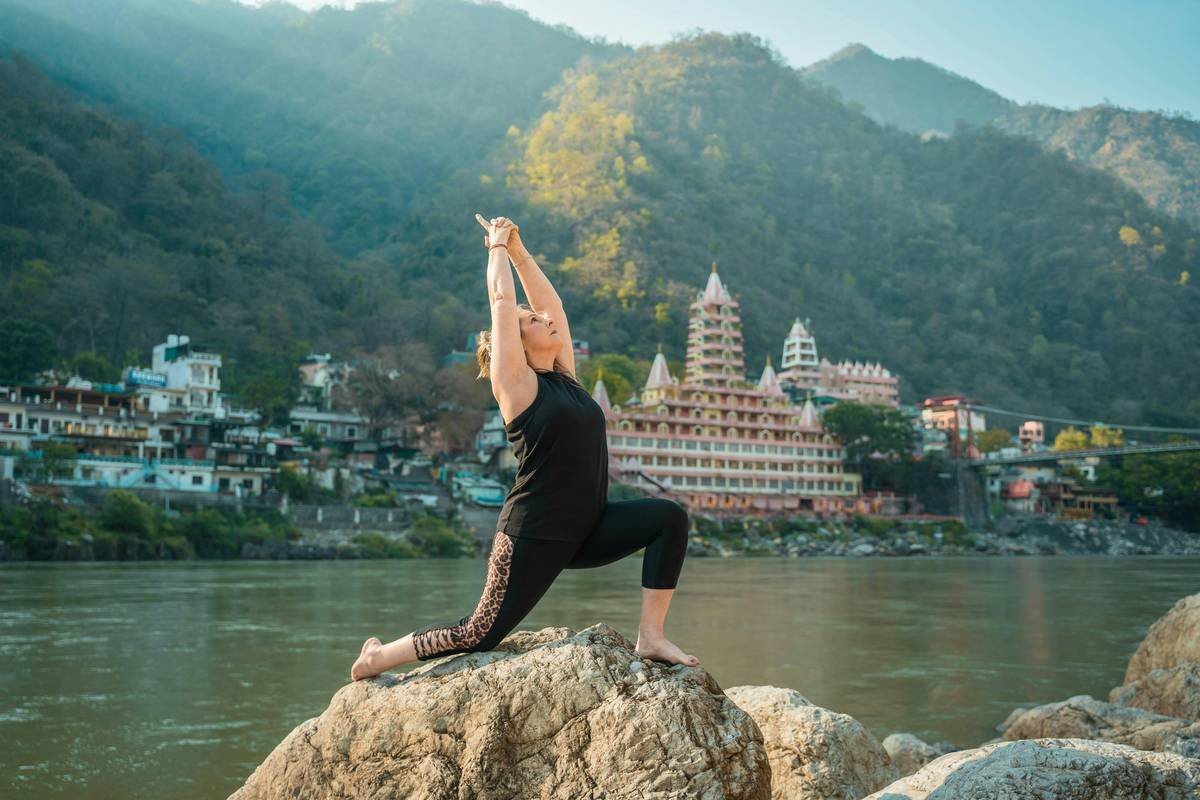
- Deep Hip Flexor Stretch: Lunge position, tuck pelvis, gently press hips forward. Keep spine neutral.
- Lat Stretch with Strap: Hold a resistance band overhead, lean sideways away from the stretched arm.
- Forearm Extensor Stretch: Extend arm, palm up, gently pull fingers down with other hand.
- Seated Hamstring Stretch: One leg extended, hinge at hips (not waist!) until you feel tension behind the knee.
Terrible Tip Alert 🚫
“Just bounce until it loosens up!” Nope. Ballistic stretching = microscopic muscle tears. Save the bouncing for TikTok dances, not your tendons.
Best Practices for Long-Term Flexibility
Stretching once won’t undo 10 years of desk-sitting and crimping. These habits make flexibility stick:
- Stretch Daily—even on rest days. Consistency trumps duration.
- Hydrate Like It’s Your Job. Dehydrated muscles tighten faster. Aim for 35 ml/kg body weight daily.
- Sleep 7–9 Hours. Muscle repair happens during deep sleep (NIH, 2020).
- Pair Stretching with Breathwork. Inhale to prepare, exhale to deepen the stretch. Oxygenates tissue.
- Wear Recovery Tights Strategically. Compression garments post-climb may reduce soreness (Brown et al., 2017)—but don’t substitute for active stretching.
Real Results from a Week of Smart Stretching
Last month, I tracked my hip mobility using a Thomas Test (gold standard for hip flexor length). Day 1: my thigh couldn’t lie flat on the table—classic tight psoas. After 7 days of the protocol above (12 mins/day), I gained 11 degrees of passive hip extension.
Result? Cleaner high steps on overhangs. Less lower-back strain. And—this is real—I could finally tie my shoes without wheezing.
One follower, Maya R., emailed me after trying this: “Did your routine for 10 days. Hit my first lead redpoint in months. My hips actually opened enough to heel hook without screaming.”
FAQ: How to Stretch Tight Muscles
Can stretching help with weight loss?
Not directly—but improved mobility lets you train harder and longer, which supports calorie burn. Also, less pain = more consistency.
How long should I hold each stretch?
30–45 seconds per muscle group. Research shows this window optimizes sarcomere elongation without triggering protective tension (ACSM, 2023).
Is it normal to feel burning during a stretch?
No. Burning = nerve irritation or overstretching. Stop immediately. You should feel mild tension, not pain.
Do climbing tights make tightness worse?
Not if they’re properly fitted. In fact, good compression tights improve proprioception and blood flow. But wearing them 24/7 post-climb? Let your skin breathe!
When should I see a physical therapist?
If tightness persists after 3–4 weeks of consistent stretching—or if it’s asymmetrical (e.g., only one hamstring)—get assessed. Could be neural tension or joint restriction.
Conclusion
Knowing how to stretch tight muscles isn’t just about touching your toes. For climbers, it’s about unlocking fluid movement on the wall, preventing overuse injuries, and staying in your tights for the long haul (literally and figuratively).
Remember: stretch warm, stretch specific, and stretch consistently. Your future self—floating through that dyno or casually tying shoes—will thank you.
Now go hydrate, roll out, and own that next project. And maybe wash those tights—they’ve earned it.
RIP Tamagotchi, 1996–1998.
Your neglect taught me:
Flexibility dies without daily care.