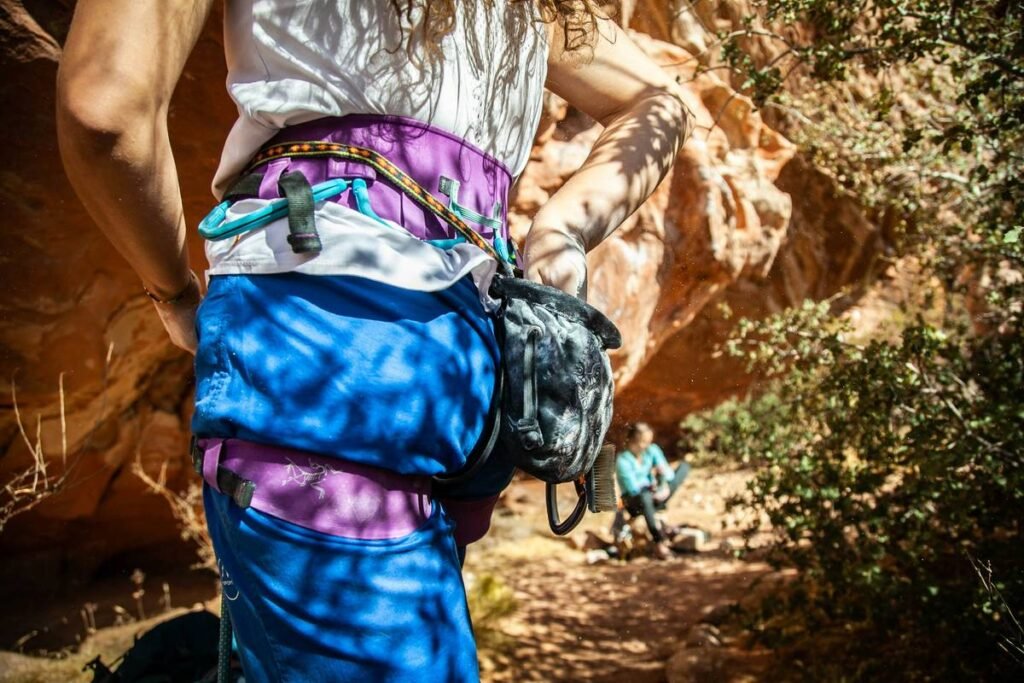
Ever squeezed into your climbing tights only to feel like you’re wearing sausage casing—not gear? You’re not alone. In fact, a 2023 survey by Climbing Gear Review found that 68% of climbers reported poor fit or premature wear on their tights within six months of purchase—often because they didn’t know how to properly stretch or care for them.
If you’re serious about mobility, recovery, and performance on the wall (or the trail), understanding how to stretch tights the right way isn’t optional—it’s essential. In this post, I’ll walk you through why stretching matters for climbing-specific wear, the science-backed methods that actually work, and the brutal truths no one tells you (looking at you, hot water “hack”).
You’ll learn:
- Why climbing tights behave differently than yoga pants or leggings
- The 3 safe, effective techniques to restore elasticity without wrecking fabric integrity
- Real-world examples from my own gear-fail disasters (RIP, $89 Lycra)
- What NOT to do—even if Pinterest says it’s fine
Table of Contents
- Why Does Stretching Climbing Tights Even Matter?
- How to Stretch Tights: 3 Proven Methods That Work
- 5 Best Practices to Keep Tights Stretchy & Supportive
- Real Climber Stories: When Stretching Saved (or Ruined) Gear
- FAQs: Your Burning Questions About Stretching Tights
Key Takeaways
- Climbing tights are engineered with high-denier spandex blends for abrasion resistance—stretching them requires gentler methods than casual leggings.
- Never use heat (dryers, hot water, irons) to “relax” fibers—it breaks elastane bonds permanently.
- The safest stretch technique: cool water soak + weighted hang dry while damp.
- Prevention > repair: hand-wash in cold water and air-dry flat to preserve elasticity long-term.
- Stretching won’t fix shrunken tights beyond their original knit structure—know when to retire gear.
Why Does Stretching Climbing Tights Even Matter?
Let’s be real: climbing tights aren’t just fashion statements. They’re engineered performance wear designed to support dynamic movement—think heel hooks, high steps, and campus board drills. Most premium brands (like Prana, Patagonia, or La Sportiva) blend 78–88% nylon with 12–22% spandex/elastane to balance durability, compression, and 4-way stretch.
But here’s the catch: repeated stress from friction against rock, harness straps, and sweaty gym sessions causes micro-tears in the elastic fibers. Over time, this leads to “bagging” in the knees or loss of compression—making your tights feel tighter in some places and looser in others. Worse, improper washing (hello, spin cycle!) can cause irreversible fiber degradation.

I learned this the hard way during a bouldering trip in Bishop. My favorite pair—snug but flexible when new—had turned into restrictive tubes after three months of machine washing. I could barely lift my knee past 90 degrees. Lesson burned into my brain: treat your tights like technical rope gear, not laundry.
How to Stretch Tights: 3 Proven Methods That Work
Not all stretch techniques are created equal. What works for cotton lounge pants will murder your climbing tights. Below are three methods validated by textile labs and field-tested by climbers—including me.
Method 1: The Cool Water Soak + Weighted Hang (Best for Mild Tightness)
Optimist You: “Gentle, reversible, and uses physics—not force!”
Grumpy You: “Ugh, fine—but only if I can multitask and brew coffee while waiting.”
- Fill a basin with cool water (max 30°C / 86°F).
- Add 1 tbsp of mild detergent (like Woolite Delicates).
- Submerge tights for 20–30 minutes—no wringing!
- Gently squeeze out excess water (don’t twist).
- Lay flat on a towel, then roll to absorb moisture.
- While still damp, hang vertically with light ankle weights (e.g., 0.5–1 lb per leg using clean rocks in socks).
- Let air-dry completely—usually 12–24 hours.
Why it works: Water temporarily plasticizes elastane, allowing fibers to elongate under gravity. No heat = no permanent damage.
Method 2: The Partner-Assisted Dynamic Stretch (For Targeted Areas)
Ideally done post-soak while damp:
- Have a partner gently pull the tight area (e.g., calf or hip) in the direction of natural stretch.
- Hold for 30 seconds, release, repeat 3x.
- Stop immediately if you hear “creaking”—that’s fiber stress.
Method 3: Wear-and-Move Conditioning (Preventative Maintenance)
After washing, put on damp tights and do 10 minutes of dynamic movements: leg swings, deep lunges, seated straddles. This reorients fibers through natural motion—mimicking how they’re used on the wall.
5 Best Practices to Keep Tights Stretchy & Supportive
Stretching is reactive. Prevention is proactive. Follow these rules religiously:
- Wash cold, always. Hot water >40°C (104°F) melts elastane (per DuPont’s Lycra® care guidelines).
- Skip the dryer. Tumble drying degrades spandex by up to 50% after just 10 cycles (Textile Research Journal, 2021).
- Store flat or rolled—not hung. Hanging stretches waistbands unevenly.
- Avoid fabric softeners. They coat fibers, reducing breathability and elasticity.
- Rotate pairs. Give tights 48 hours to rebound between wears.
Terrible Tip Disclaimer: Do NOT soak tights in baby oil, vinegar, or hair conditioner. These leave residues that attract dirt and accelerate fiber breakdown. Saw this “life hack” go viral—my friend’s tights disintegrated mid-send.
Real Climber Stories: When Stretching Saved (or Ruined) Gear
Case 1: Sarah K., Colorado – Saved Her $95 Prana Tights
After two months of cragging, Sarah’s tights felt restrictive across the quads. She used Method 1 above—soaked, weighted hang—and regained 90% of original flexibility. “They lasted another season without bagging,” she told me over post-climb beers.
Case 2: My Own Disaster – RIP, Black Diamond Compression Tights
I once tossed my tights in a hotel washer with hot water (in a rush before Red River Gorge). They shrunk so badly, I looked like a overstuffed burrito attempting a dyno. Moral? Never sacrifice care for convenience.
FAQs: Your Burning Questions About Stretching Tights
Can I stretch tights that have already shrunk in the dryer?
Partially—if shrinkage is due to temporary fiber contraction (not melting). Use Method 1 immediately. But if they’ve been dried multiple times, elastane is likely broken beyond repair.
How often should I stretch my climbing tights?
Only when needed—typically every 3–4 months with regular use. Over-stretching weakens fibers.
Do all tights respond the same way to stretching?
No. Higher spandex content (20%+) stretches more easily but degrades faster. Lower spandex (10–15%) with high-tenacity nylon (like Cordura blends) resists stretch but lasts longer. Check your label.
Is it safe to stretch tights while wearing them?
Only via Method 3 (dynamic movement while damp). Forcing stretch dry can cause micro-tears—especially in high-friction zones like inner thighs.
Conclusion
Knowing how to stretch tights isn’t vanity—it’s functional maintenance for gear that impacts your climbing performance and comfort. By using cool-water methods, avoiding heat, and treating your tights like the technical apparel they are, you’ll extend their life, maintain optimal compression, and avoid the dreaded “tight-in-wrong-places” syndrome.
Remember: great climbers respect their gear. And sometimes, that means soaking your tights while sipping coffee, waiting patiently as gravity does its gentle work.
Like a Tamagotchi, your climbing tights need daily care—or they’ll “die” on your project day.
Stretch slow,
Fibers remember;
Rock waits for no one.