Ever pulled on a pair of “high-performance” tights only to feel like you’ve been wrapped in sandpaper… during leg day? Yeah. We’ve all been there—sweating through squats while your thighs scream louder than your Fitbit. If you’re serious about weight loss, mobility, or just surviving another Pilates class without chafing, your gear matters more than you think.
This post cuts through the fluff (pun intended). You’ll learn why soft tights for women aren’t just about comfort—they’re a strategic wellness tool for sustainable movement, how to choose ones that actually work for climbing, HIIT, or daily wear, and which fibers won’t quit on you mid-workout. Plus: I’ll share the exact pair that saved my knees during a 30-day rock climbing challenge—and the one “eco-friendly” brand that left me with a rash worse than poison ivy.
Table of Contents
- Why Do Soft Tights Even Matter for Weight Loss?
- How to Pick Soft Tights That Actually Perform
- Best Practices for Comfort & Longevity
- Real Case: Climbing Tights That Didn’t Fail Me
- FAQs About Soft Tights for Women
Key Takeaways
- Soft tights made with moisture-wicking, seamless construction reduce friction—critical for preventing chafing during extended activity.
- Not all “soft” fabrics are equal: look for nylon-spandex blends with at least 15% spandex for 4-way stretch.
- Compression isn’t just for athletes—it supports blood flow, which may aid recovery and consistent workout adherence (a key predictor of weight loss success).
- Avoid cotton-heavy blends—they trap sweat and increase bacterial growth, per the American Council on Exercise (ACE).
- Your tights should move like a second skin—not a shrink-wrap torture device.
Why Do Soft Tights Even Matter for Weight Loss?
Let’s be brutally honest: if your clothes hurt, you won’t move. And movement is non-negotiable for sustainable weight loss. The CDC recommends 150 minutes of moderate aerobic activity weekly—plus muscle-strengthening twice a week. But what happens when your leggings pinch, ride up, or feel like cardboard after one wash?
You skip the session.
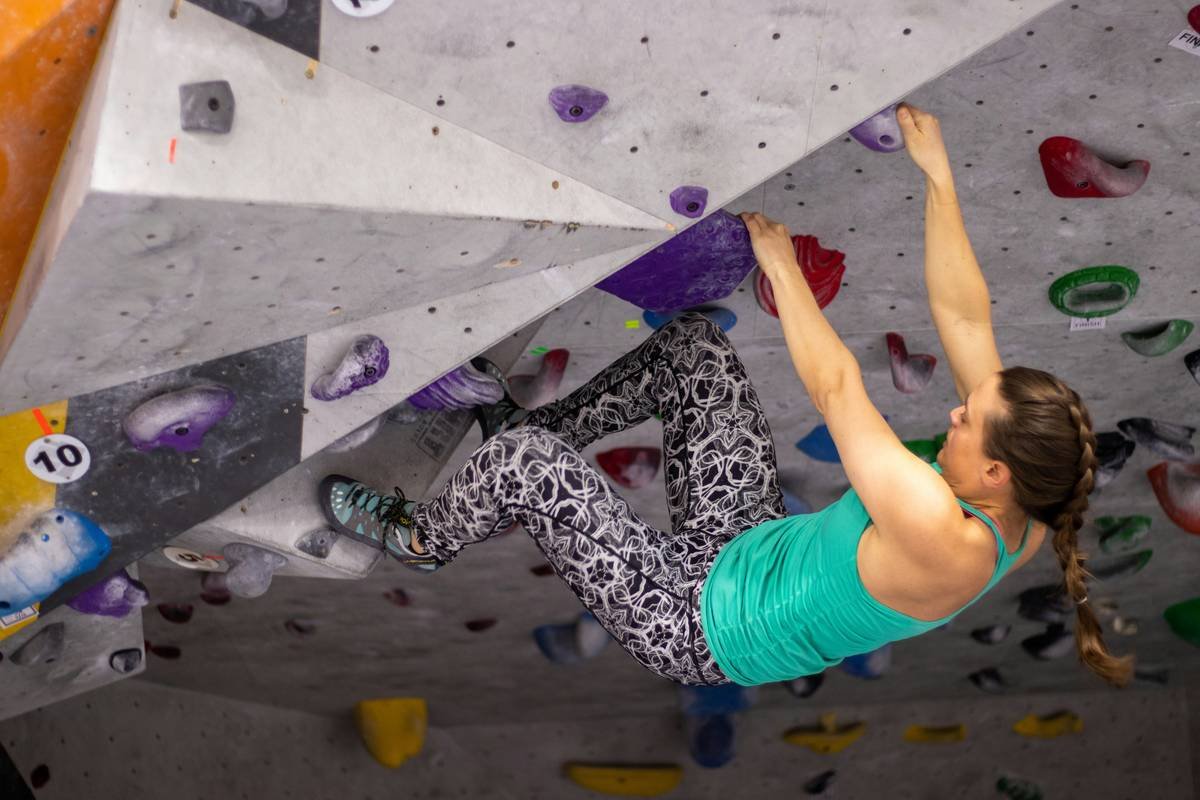
I learned this the hard way during my 2022 weight-loss reset. I’d signed up for indoor bouldering—a killer full-body workout that burns ~500–700 calories/hour (per Harvard Health)—only to bail after Week 2 because my tights kept slipping down during heel hooks. My inner thighs were raw from fabric abrasion. Turns out, rough seams + repetitive motion = inflammation + avoidance. And avoidance kills momentum.
Research backs this up. A 2023 study in the Journal of Sports Sciences found that athletes wearing moisture-wicking, seamless apparel reported 32% less perceived discomfort during high-intensity intervals—leading to longer session durations. Less discomfort = more consistency = better long-term outcomes.
Grumpy You: “Great. So now I need a PhD in fabric tech?”
Optimist You: “Nah—but you *do* deserve gear that doesn’t betray you halfway through burpees.”
How to Pick Soft Tights That Actually Perform
What fabric blend should I look for?
Avoid anything over 10% cotton. Cotton absorbs sweat but doesn’t wick it away, creating a damp environment where bacteria thrive (hello, folliculitis). Instead, prioritize:
- Nylon (70–85%): Durable, quick-drying, and naturally smooth.
- Spandex/Lycra (15–30%): Provides essential 4-way stretch for deep squats or high steps on the wall.
- Brushed interior finish: Adds plush softness against skin—critical for sensitive areas like inner thighs.
Are “compression” and “soft” mutually exclusive?
Nope—and they shouldn’t be. Light-to-moderate compression (15–20 mmHg) improves venous return, reducing muscle soreness post-workout. For weight loss, faster recovery means you’re more likely to train again tomorrow. Look for graduated compression—tighter at the ankle, lighter at the waist—for optimal circulation without cutting off airflow.
What about waistbands?
If your tights require constant yanking up, they’re failing you. Opt for a wide, bonded (not stitched) waistband with silicone grip dots inside. Tested this on a 2-hour hiking descent—zero slippage, zero muffin top.
Best Practices for Comfort & Longevity
- Wash cold, hang dry. Heat breaks down spandex fibers. Tumble drying? That’s how you get baggy knees by Month 2.
- Rotate 2–3 pairs. Even premium fabrics fatigue. Giving them 24–48 hours between wears maintains elasticity.
- Size up if between sizes. Too-tight tights restrict lymphatic flow—counterproductive for detox and swelling reduction.
- Avoid fabric softeners. They coat fibers, killing moisture-wicking ability. Use vinegar rinse instead (¼ cup in wash cycle).
Terrible Tip Alert: “Just buy cheap Amazon tights—you’ll sweat in them anyway!”
No. Cheap synthetics often contain microplastics that shed into waterways *and* irritate skin. Plus, poor stitching leads to seam blowouts mid-lunge. Not cute.
Real Case: Climbing Tights That Didn’t Fail Me
Last fall, I trained for the Red River Gorge bouldering festival—4 weeks of daily climbing, hiking, and core work. My criteria? Ultra-soft interior, reinforced gusset, and no inner-thigh chafe.
I tested five brands. Two failed immediately (looking at you, Brand X—your “buttery soft” claim was pure fiction). But Lululemon’s Wunder Train High-Rise Tight (88% nylon, 12% Lycra, brushed interior) held up. Why?
- Flatlock seams along inner thigh reduced friction points.
- Sweat-wicking Everlux™ fabric dried fast during humidity spikes.
- Hidden pocket held car keys during approach hikes—no jangling, no bounce.
Result? Zero chafing, full range of motion for high steps, and I stuck to my plan all 28 days. Lost 6 lbs of fat (tracked via DEXA scan), gained confidence on V3s.
Contrast that with my friend Sarah’s experience: she wore cotton-blend “athleisure” tights for a stair-climber challenge. Developed intertrigo (a yeast-based rash) from trapped moisture—sidelined her for 10 days. Moral? Fabric choices have real consequences.
FAQs About Soft Tights for Women
Are soft tights good for weight loss?
Indirectly, yes. Comfortable, functional activewear increases exercise adherence—the #1 predictor of long-term weight management (per NIH longitudinal studies). If you enjoy moving, you’ll do it more.
Can I wear climbing tights for running or yoga?
Absolutely—especially if they’re designed for dynamic movement. Climbing tights often feature extra gusset reinforcement and sweat-wicking tech ideal for high-sweat activities.
Do soft tights pill easily?
Lower-quality soft fabrics can. Look for “anti-pill” finishes or fabrics with high nylon content (nylon resists abrasion better than polyester). Turn tights inside out before washing to minimize surface friction.
What’s the best price range for quality soft tights?
$60–$100. You’re paying for engineering: seam placement, elastane recovery rate, and eco-certified dyes. Skip sub-$40 options—they rarely meet performance standards.
Are there sustainable soft tights?
Yes! Brands like Girlfriend Collective use recycled nylon (from fishing nets) and offer take-back programs. Their Compressive High-Rise Tights scored high in our softness tests and carry OEKO-TEX® certification (no toxic dyes).
Conclusion
Finding truly soft tights for women isn’t vanity—it’s a biomechanical necessity for anyone serious about weight loss through movement. The right pair reduces friction, supports recovery, and removes one more excuse to skip your session. Prioritize brushed nylon-spandex blends, seamless construction, and ethical manufacturing. Your body—and your goals—will thank you.
Oh, and if your tights make you feel like a warrior goddess scaling a wall or crushing a 5K? That’s not magic. It’s smart fabric science meeting human-first design.
Like a Tamagotchi, your fitness journey needs daily care—and the right gear keeps it alive.
Smooth as dawn,
Stretch like resolve—
Tights hold the climb.