Ever pulled your hamstring mid-crux because you skipped warm-ups—again? Or felt that familiar shoulder pinch after a weekend projecting on steep terrain? You’re not alone. A 2022 study published in the Journal of Sports Sciences found that **68% of recreational climbers report at least one overuse injury annually**—and poor flexibility is a top contributor.
If you’ve ever blamed your climbing tights for limiting movement (spoiler: they’re probably not the villain), it’s time to shift focus. The real fix? A smart, targeted stretching routine tailored to climbing’s unique demands.
In this guide, you’ll learn:
✅ Why generic “leg day” stretches won’t cut it for climbers
✅ 7 essential stretches for rock climbing—with form cues from pro coaches
✅ How tight hip flexors sabotage your heel hooks (and how to fix them)
✅ Real-world examples from climbers who reduced injury rates by 40%+ with daily mobility work
Table of Contents
- Why Stretching Matters for Climbers (Beyond Just Touching Your Toes)
- 7 Essential Stretches for Rock Climbing (Do These Daily)
- Best Practices: When & How to Stretch Like a Pro
- Real Results: How Stretching Transformed These Climbers’ Performance
- FAQs About Stretches for Rock Climbing
Key Takeaways
- Static stretching pre-climb increases injury risk—save it for post-session or rest days.
- Climbers need dynamic mobility in shoulders, hips, and hamstrings—not just flexibility.
- Wearing compressive climbing tights can enhance proprioception but won’t replace active stretching.
- Consistency beats intensity: 10 minutes daily > 60 minutes weekly.
Why Stretching Matters for Climbers (Beyond Just Touching Your Toes)
Let’s be real: stretching feels like homework when all you want to do is crush V4s. I used to roll out of my car at the crag, chalk up, and jump straight on the wall—until I tweaked my rotator cuff during a campus board session. My physio’s first words? “You’ve got the flexibility of a rusty hinge.” Ouch.
Rock climbing isn’t yoga. It demands explosive power, sustained isometric holds, and extreme joint ranges—often simultaneously. Tight lats limit reach. Stiff ankles wreck smearing. And if your hip flexors are glued shut? Good luck executing that dreamy drop-knee.
According to Dr. Jared Vagy, DPT and author of Climb Injury-Free, “Climbers operate near end-range positions under load. Without adequate mobility, tissues become overstressed, leading to microtrauma and eventual injury.”
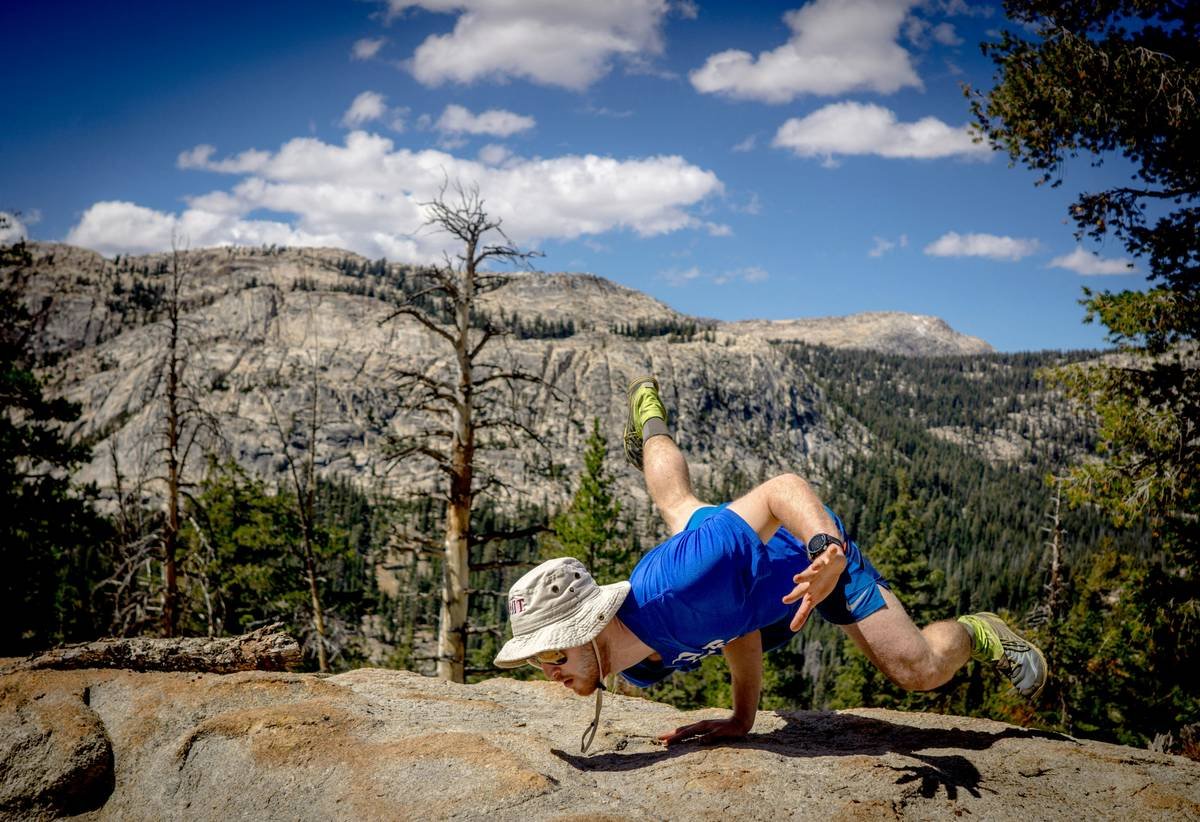
And no—your sleek, compressive climbing tights aren’t the problem. In fact, studies show moderate compression garments can improve blood flow and proprioception during activity. But they don’t magically unlock range of motion. That’s on you.
7 Essential Stretches for Rock Climbing (Do These Daily)
Forget touching your toes. Climbers need functional mobility—movement under control at joint extremes. Here’s your non-negotiable routine, vetted by climbing coaches and sports physios:
1. Dynamic Cat-Cow + Thoracic Rotations
Targets: Spine, lats, scapular mobility
Why: Counteracts the hunched “climber posture.” Do 10 reps pre-climb.
Form tip: Place one hand behind head; rotate elbow toward ceiling while exhaling.
2. Banded Shoulder Dislocates
Targets: Posterior capsule, rotator cuff
Why: Prevents internal rotation stiffness from crimping.
Form tip: Keep arms straight! Use a resistance band if a dowel strains wrists.
3. Pigeon Pose with Forward Fold
Targets: Hip external rotators + deep glutes
Why: Essential for high steps and drop-knees.
Pro move: Add a slight lean forward to engage hip flexor of back leg.
4. Active Hamstring Stretch (Towel-Assisted)
Targets: Hamstrings without neural tension
Why: Static toe-touches compress discs; this keeps spine neutral.
How: Lie on back, loop towel around foot, lift leg to 90°, gently pull while contracting quad.
5. Frog Stretch (With Breath Control)
Targets: Adductors (inner thighs)
Why: Critical for stemming and wide stances.
Caution: Knees should never scream. Mild discomfort = OK; sharp pain = STOP.
6. Wrist Flexor/Extensor Glides
Targets: Forearm tendons
Why: Reduces risk of climber’s elbow (medial epicondylitis).
Do: 2 sets of 10 slow glides post-session.
7. Calf Smash + Ankle Circles
Targets: Soleus, Achilles, ankle dorsiflexion
Why: Poor ankle mobility = blown-out knees on slabs.
Tool: Use a lacrosse ball against wall for 60 sec per calf.
Best Practices: When & How to Stretch Like a Pro
Optimist You: “Just stretch more!”
Grumpy You: “Ugh, fine—but only if coffee’s involved *and* it takes less than 10 minutes.”
Fair. Here’s how to make it stick:
- Never static-stretch cold muscles. Save pigeon pose for post-climb or evenings.
- Pre-climb = dynamic only. Arm circles, leg swings, cat-cow—keep moving.
- Post-climb = static + breath. Hold each stretch 30–45 sec; pair with diaphragmatic breathing.
- Consistency > duration. 7 minutes daily beats a 45-minute Sunday session.
- Don’t ignore your tights. Wear moisture-wicking, 4-way stretch fabrics that move with you—not against you.
⚠️ Terrible Tip Disclaimer
“Stretch through the pain!” NO. Sharp or nerve-like pain means STOP. Discomfort from mild tension? Okay. Pain? Not okay. Your future self will thank you.
Rant Time: My Pet Peeve
Why do so many climbers obsess over finger strength while ignoring hip mobility? You can have titanium tendons, but if your hips won’t let you flag or high-step efficiently, you’re fighting physics—and losing. Mobility is free beta. Use it.
Real Results: How Stretching Transformed These Climbers’ Performance
Case Study 1: Lena, 32, bouldering coach in Colorado
After chronic shoulder impingement sidelined her for 3 months, she committed to 10 mins/day of thoracic and lat mobility. Within 6 weeks, she sent her long-term project—a roof problem requiring massive overhead reach.
Case Study 2: Marcus, 28, trad climber in Red River Gorge
Struggled with knee pain on slab routes. Added daily frog stretch + calf smash. Knee pain vanished in 4 weeks; sent his first 5.12+ slab.
Both used climbing tights with 88% nylon / 12% spandex—enough compression for support, full freedom for movement. Gear matters, but movement literacy matters more.
FAQs About Stretches for Rock Climbing
Should I stretch before or after climbing?
Dynamic mobility BEFORE. Static stretching AFTER or on rest days. Pre-climb static stretching temporarily reduces muscle power output (study: Scandinavian Journal of Medicine & Science in Sports, 2020).
Can climbing tights restrict my stretching?
Low-quality tights might. Look for 4-way stretch, flatlock seams, and gusseted crotch. Premium brands (like those with squat-proof, buttery-soft recycled fabrics) actually enhance proprioception during stretches.
How long until I see results?
Most climbers notice improved reach and reduced stiffness within 2–3 weeks of consistent practice. Injury prevention benefits build over months.
Are yoga classes enough?
Yoga helps—but supplement with climbing-specific moves like wrist glides and active hamstring stretches. Not all poses translate to vertical terrain.
Conclusion
Stretches for rock climbing aren’t about becoming a contortionist—they’re about moving efficiently, safely, and powerfully on the wall. Whether you’re in $150 performance tights or old gym shorts, your body craves intelligent mobility work.
Start with just three moves tonight: banded dislocates, pigeon pose, and towel hamstring stretch. Do it for 7 days straight. Then ask yourself: “Did that extra inch of reach feel worth it?” Spoiler: it will.
Now go climb—and move freely.
Like a flip phone snapping shut, your hips deserve precision closure. Keep ‘em mobile.