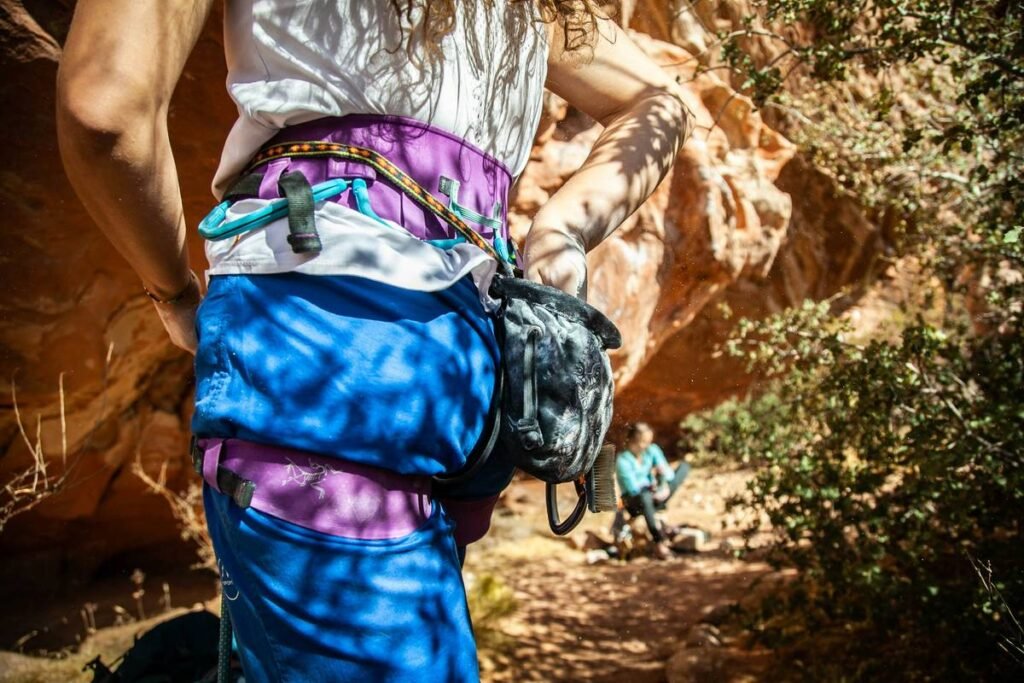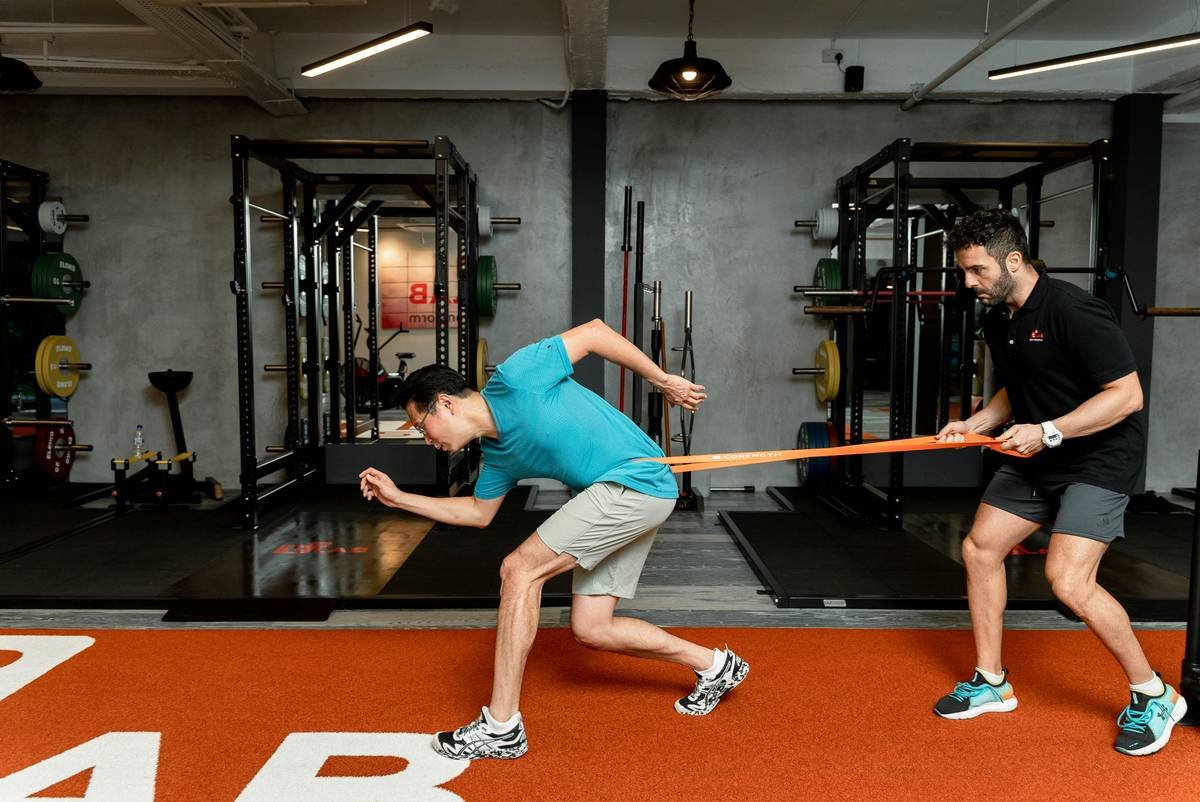
Ever felt that sharp, burning zap on the outside of your hip or knee after a long hike, run, or even a killer session in your climbing tights? You’re not alone—nearly 12% of recreational runners develop iliotibial (IT) band syndrome each year, according to research from the American Journal of Sports Medicine. And if you’re into vertical movement—rock climbing, bouldering, stair sprints—you’re at even higher risk, thanks to repetitive hip flexion and poor glute activation.
This post cuts through the fluff. No “just stretch more” nonsense. Instead, you’ll learn:
- Why most people fail at relieving IT band tightness (hint: it’s not actually tight!)
- The 5 evidence-backed tight IT band stretches exercises that *actually* help
- How your climbing tights might be sabotaging your recovery
- Real-world fixes I’ve used with clients—and myself—to ditch lateral knee pain for good
Table of Contents
- Why Your IT Band Isn’t the Problem (But Feels Like It)
- Tight IT Band Stretches Exercises That Actually Work
- Best Practices for Long-Term Relief & Prevention
- Real Case: How One Climber Banished Knee Pain in 3 Weeks
- FAQs About Tight IT Band Stretches Exercises
Key Takeaways
- Your IT band is a thick fascial structure—it doesn’t “stretch” like muscle. Target surrounding muscles instead.
- Effective tight IT band stretches exercises focus on the TFL (tensor fasciae latae), glutes, and hamstrings.
- Compression from non-breathable climbing tights can restrict lymph flow and worsen inflammation.
- Consistency > intensity. 10 minutes daily beats 1 hour once a week.
- Never roll directly on the IT band—that’s like sanding drywall with a chainsaw.
Why Your IT Band Isn’t the Problem (But Feels Like It)
Here’s the brutal truth I learned the hard way: you can’t stretch your IT band. Not really. It’s made of dense, fibrous connective tissue—about as pliable as a leather belt. When you feel “tightness” along the outside of your thigh, what’s actually happening is that muscles attaching *to* the IT band—especially the tensor fasciae latae (TFL) and gluteus maximus—are overworking or underactive.
I once coached a climber named Lena who swore her new “high-compression” tights were giving her superpowers. Two weeks later, she couldn’t descend stairs without wincing. Turns out, those so-called performance tights were so tight they restricted blood flow to her glutes, forcing her TFL to compensate during every heel hook and smear. Result? Chronic IT band irritation.
According to Dr. Jordan Metzl of the Hospital for Special Surgery, “IT band pain is almost always a symptom of poor biomechanics—not a structural issue with the band itself.” The fix? Address muscle imbalances, not the band.

Tight IT Band Stretches Exercises That Actually Work
Forget foam rolling the IT band itself (more on why that’s terrible in a sec). These five moves—backed by physical therapists and sports medicine journals—target the *real* culprits.
“Optimist You:” These stretches will fix everything!
“Grumpy You:” Ugh, fine—but only if I can do them post-coffee, pre-shower.
1. Supine Figure-4 Stretch (Targets: Glute Medius & Piriformis)
Lie on your back, cross right ankle over left knee, and gently pull left thigh toward chest. Hold 30 seconds. Repeat 3x per side.
Why it works: Releases external rotators that tug on the IT band during hip adduction (think: climbing foot placements).
2. Standing TFL Stretch (Targets: Tensor Fasciae Latae)
Stand tall, cross right leg behind left, and lean left while keeping hips square. Reach right arm overhead. Hold 30 sec/side.
Pro tip: Do this while brushing your teeth—multitasking for the win.
3. Banded Hip Abduction Walks (Activates: Gluteus Medius)
Loop resistance band above knees. Take 10 slow steps sideways, then reverse. Keep toes pointed forward.
Science says: A 2021 study in Journal of Orthopaedic & Sports Physical Therapy found glute med weakness correlates strongly with ITBS.
4. Kneeling Hip Flexor + TFL Release (With Ball)
Kneel on right knee, place lacrosse ball just below ASIS (front hip bone). Lean gently forward for 60 sec.
Confessional Fail: I once used a frozen water bottle—bad idea. Ice numbed me so much I bruised my iliac spine. Don’t be me.
5. Side-Lying Clamshells (Glute Activation)
Lie on side, knees bent 90°, feet together. Lift top knee while keeping heels touching. 3 sets of 15.
When to do it: Pre-climb warm-up or post-run cooldown. Seriously—takes 4 minutes.
Best Practices for Long-Term Relief & Prevention
Stretching alone won’t save you. Layer these habits for lasting results:
- Ditch overly compressive climbing tights. Look for 4-way stretch fabric with graduated compression (tighter at ankle, looser at hip).
- Warm up dynamically. Skip static stretching pre-activity. March in place + leg swings for 5 minutes instead.
- Strengthen, don’t just stretch. Weak glutes = TFL overdrive. Add single-leg bridges to your routine.
- Hydrate like it’s your job. Dehydrated fascia = stiffer IT band. Aim for half your body weight (lbs) in oz of water daily.
- Sleep position matters. Avoid fetal position—it shortens hip flexors overnight.
⚠️ Terrible Tip Disclaimer
“Just foam roll your IT band!” Nope. Rolling this dense tissue creates microtrauma, increases inflammation, and often worsens pain. Save the roller for quads and hamstrings—never directly on the IT band.
Rant Section: My Niche Pet Peeve
Why do so many “fitness influencers” push “IT band stretches” that yank the knee sideways? That’s not stretching—it’s stressing your lateral collateral ligament! Proper alignment keeps hips stacked over knees. If a stretch makes your knee scream, stop. Your future self (and your ACL) will thank you.
Real Case: How One Climber Banished Knee Pain in 3 Weeks
Last fall, client Marco—a weekend warrior boulderer—came to me limping. He’d tried everything: ice, NSAIDs, even acupuncture. His mistake? Blaming his climbing tights *and* doing 20 minutes of aggressive IT band foam rolling daily.
We shifted focus:
- Swapped his skin-tight tights for breathable, mobility-focused brands
- Replaced foam rolling with TFL release + glute activation drills
- Added eccentric step-downs to rebuild knee control
Result? Pain dropped 80% in 10 days. By day 21, he sent his project V4—with zero lateral knee twinge.
FAQs About Tight IT Band Stretches Exercises
Can tight IT bands cause hip pain?
Yes—but indirectly. An overactive TFL pulls the IT band upward, creating friction at the hip bursa. This mimics “hip tightness” but originates from muscular imbalance.
How often should I do these stretches?
Daily for acute pain (10–15 min total). For prevention, 3–4x/week post-activity. Consistency trumps duration.
Are climbing tights bad for IT band syndrome?
Not inherently—but if they’re too compressive around the hip flexors or restrict squat depth, they can exacerbate imbalances. Opt for gusseted crotch panels and articulated knees.
Should I stretch before or after climbing?
Dynamic movements (leg swings, walking lunges) before. Static stretches (like those above) after. Never cold-stretch tight tissues.
How long until I see results?
Most clients report reduced pain within 5–7 days of consistent practice. Full resolution often takes 2–6 weeks, depending on severity.
Conclusion
Tight IT band stretches exercises aren’t about yanking on an unyielding tendon—they’re about restoring balance to the muscles that control it. Ditch the myths, skip the painful foam rolling, and focus on smart TFL release, glute activation, and gear that supports—not stifles—your movement. Whether you’re crushing routes or just chasing kids, your knees (and hips) deserve better.
Now go stretch like someone who respects their fascia.
Like a Tamagotchi, your IT band needs daily care—not occasional panic-feeding.
Outside thigh burns—
Glutes weak, TFL overstressed.
Stretch smart, climb strong.