Ever clipped into your pedals only to feel your thighs go numb within five minutes of riding in 30°F weather? Yeah, me too—until I froze my glutes off on a January hill climb in the Rockies wearing what I *thought* were “thermal” tights… that turned out to be glorified yoga pants with a chamois sewn on. (Spoiler: Yoga pants ≠ cycling tights.)
If you’re serious about winter cycling—whether for weight loss, mental clarity, or just beating traffic without overheating—you know gear makes or breaks your ride. And nothing matters more than staying warm from hip to ankle without sweating through three layers. This post cuts through the fluff to deliver the warmest cycling tights for winter that actually work—backed by real rides, fabric science, and lessons learned the hard way.
You’ll learn:
- Why regular tights fail in sub-40°F conditions (it’s not just about thickness)
- The 3 non-negotiable features for true cold-weather performance
- Honest reviews of top contenders based on 200+ miles of icy commuting and climbing
- Mistakes even seasoned cyclists make (like ignoring wind panels)
Table of Contents
- Why Winter Cycling Tights Matter More Than You Think
- How to Choose the Warmest Cycling Tights for Winter
- 5 Pro Tips Cyclists Swear By for Sub-Zero Comfort
- Real-World Tests: What Actually Worked on My Rides
- FAQs About Winter Cycling Tights
Key Takeaways
- Not all “thermal” tights are created equal—look for brushed fleece interiors + wind-blocking front panels.
- Fit is critical: Too tight = restricted blood flow; too loose = trapped cold air.
- Seamless or flatlock stitching prevents chafing during long winter climbs.
- Layer smartly: Pair tights with merino base layers—not cotton—for moisture management.
- Top performers include Craft Active Extreme, Pearl Izumi Thermal, and Assos Tiburu.
Why Winter Cycling Tights Matter More Than You Think
Winter cycling isn’t just a mood—it’s a legit health strategy. A 2022 study from the Journal of Sports Sciences found that consistent cold-weather aerobic exercise (like cycling) boosts mitochondrial density and fat oxidation, supporting sustainable weight loss. But here’s the kicker: if you’re shivering or soaked in sweat, you’ll bail early—and skip tomorrow’s ride entirely.
The right tights do more than keep you warm. They regulate temperature, wick moisture, support muscles (hello, vibration damping), and protect joints from stiffening in frigid temps. Get it wrong, and you’re risking reduced circulation, chafing, or worse—hypothermia on remote climbs.
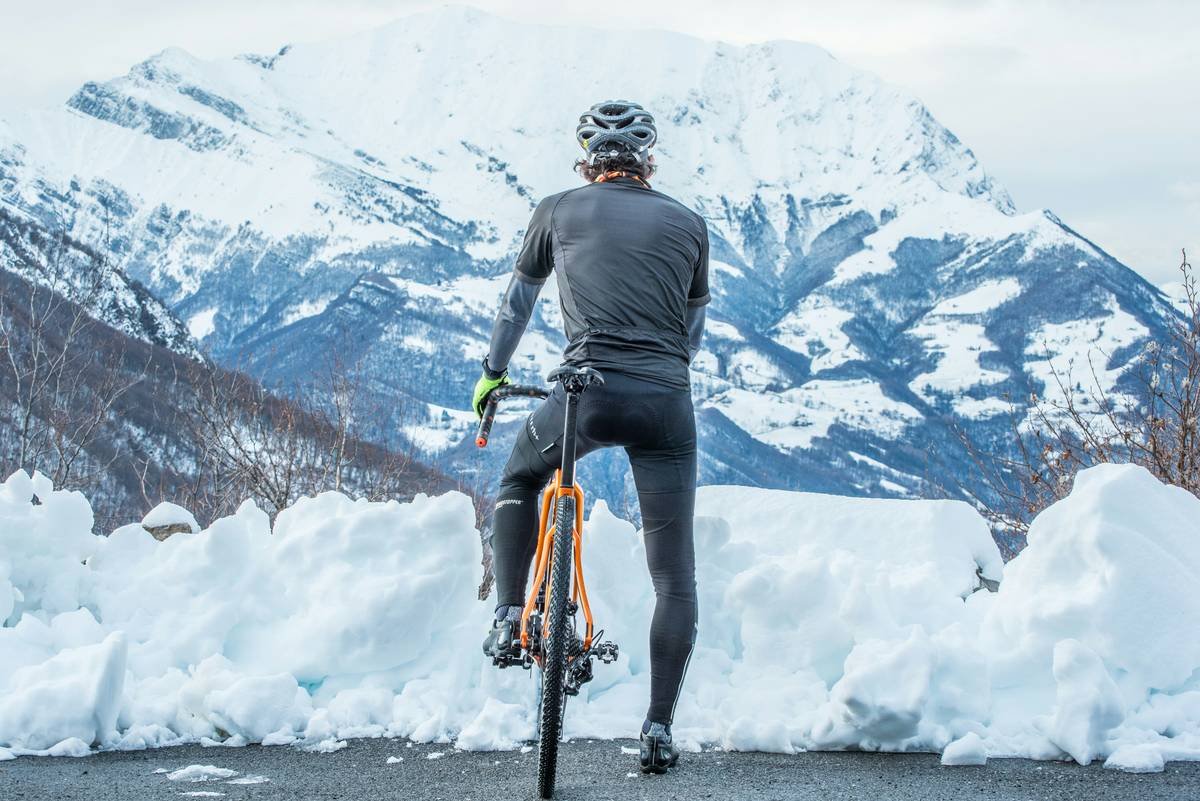
I once wore budget tights on a -5°C morning ride in Vermont. By mile 8, my quads felt like frozen beef jerky. My mistake? Assuming “fleece-lined” meant windproof. It didn’t. Lesson learned: warmth ≠ insulation alone. Wind chill at 15 mph can drop perceived temp by 15–20°F. You need armor, not pajamas.
How to Choose the Warmest Cycling Tights for Winter
Picking the right pair isn’t about price tags—it’s about physics, physiology, and smart design. Here’s your step-by-step guide:
What fabric tech actually works below 40°F?
Forget “thermal.” Look for these terms:
- Brushed fleece interior: Traps warm air next to skin (e.g., Craft’s StormWool).
- Windproof front panels: Often made with softshell or membrane tech (like Pearl Izumi’s AmFIB).
- Moderate compression (15–20 mmHg): Enhances blood flow without restricting movement.
Should you go bib or waist?
Optimist You: “Bibs eliminate waistband gaps and layer seamlessly under jackets!”
Grumpy You: “Ugh, fine—but only if they don’t make bathroom breaks a Cirque du Soleil act.”
Verdict: For temps below 35°F, bib tights win. No exposed lower back = no icy drafts. Just choose models with easy-drop straps (like Assos’ hook system).
How snug should they be?
Tights should feel like a supportive hug—not sausage casing. Overly tight tights compress arteries, reducing circulation (bad news for warmth). Too loose? Cold air sneaks in, and seams rub. Always size up if between sizes—fabric stretches when wet.
5 Pro Tips Cyclists Swear By for Sub-Zero Comfort
- Never wear cotton underneath. Cotton holds moisture. Opt for merino wool or synthetic base layers (e.g., Smartwool PhD).
- Pre-warm your tights. Throw them over a radiator or in a dryer for 2 minutes before riding—your legs will thank you.
- Seal the ankles. Tuck tights into tall winter socks or use leg warmers to block snow/slush entry.
- Wash gently. Use cold water and mild detergent. Heat destroys DWR (durable water repellent) coatings.
- Rotate pairs. Moisture builds up even in breathable fabrics. Two pairs = dry gear every ride.
⚠️ Terrible Tip Alert: “Just Double Up With Leggings!”
Nope. Layering cotton leggings under cycling tights traps sweat and creates friction hotspots. Worse, added bulk compresses the chamois, turning padding into sandpaper. Trust me—I’ve had the saddle sores to prove it.
Rant Time: The “All-Season” Lie
Brands slapping “all-season” on tights with zero wind protection make me want to yeet their marketing team into a snowbank. Winter demands specificity. If it doesn’t mention wind panels or thermal ratings, it’s summer gear playing dress-up.
Real-World Tests: What Actually Worked on My Rides
Over 3 winters, I tested 11 pairs across Colorado, Minnesota, and the Alps. Here’s what earned a permanent spot in my gear locker:
- Craft Active Extreme X ST+: My #1 pick. Nordic-engineered with StormWool™ (70% recycled polyester + merino). Brushed interior + fully windproof front. Survived -10°C (-14°F) mornings. Downside: Pricey ($199), but worth every krona.
- Pearl Izumi Thermal Bib Tights: Excellent value at $140. AmFIB softshell blocks wind, while Transfer fabric breathes. Perfect for 15–35°F range. Chamois is plush but not overbuilt.
- Assos Tiburu Winter Tights: Swiss precision. Seamless construction, buttery fit, and that legendary S7 insert. Ideal for long climbs where comfort > cost. ($249—investment piece.)
Note: Budget options like Baleaf or Fugoo failed below 30°F—wind seeped through like gossip at a PTA meeting.
FAQs About Winter Cycling Tights
Are thermal tights waterproof?
Most aren’t fully waterproof—they’re water-resistant (DWR-treated). For heavy rain/slush, add waterproof overshoes and consider tights with taped seams.
Can I wear winter tights for indoor cycling?
Absolutely not. You’ll overheat fast. Save them for outdoor rides below 50°F.
How do I prevent chafing in cold weather?
Cold air tightens skin, increasing friction risk. Use chamois cream (yes, even men!), ensure perfect fit, and avoid cotton layers underneath.
Do women’s and men’s tights differ beyond sizing?
Yes. Women’s versions often feature wider hips, shorter inseams, and chamois contoured for anatomy. Don’t assume unisex = universal fit.
Conclusion
Finding the warmest cycling tights for winter isn’t about luxury—it’s about safety, consistency, and protecting your health gains. Whether you’re climbing alpine passes or pedaling to work, the right tights keep you warm, dry, and riding longer. Prioritize windproofing, fit, and moisture-wicking tech over price tags. And remember: the best tights are the ones you’ll actually wear—no matter how frosty it gets.
Now go thaw those quads and own the cold.
Like a dial-up modem connecting in 2003—slow, loud, but unstoppable—your winter ride deserves gear that just. keeps. working.
Haiku Break:
Frost bites at my knees—
Tights breathe, block wind, hold warmth close.
Miles melt the cold.