Ever feel like your climbing progress has hit a wall—not because of technique, but because you’re carrying extra weight that turns every crimp into agony and every dyno into a physics-defying gamble? You’re not alone. Studies show that even 5–10% body weight loss can improve power-to-weight ratio by up to 15% in climbers (Journal of Strength and Conditioning Research, 2021). But here’s the brutal truth: crash dieting or skipping meals before a session won’t just sabotage your gains—it’ll wreck your tendons, zap your endurance, and make your next fall feel heavier than it should.
This guide cuts through the noise. No “eat less, move more” nonsense. Instead, you’ll learn:
- Why traditional weight-loss advice fails climbers (and what actually works)
- How nutrition timing impacts grip strength and recovery
- The role of climbing-specific gear—yes, even your tights—in performance and body awareness
- Real-world strategies from climbers who lost weight without losing skin on their fingertips
Table of Contents
- Why Weight Matters in Climbing (More Than You Think)
- Step-by-Step Plan for Sustainable Weight Loss That Supports Climbing
- Best Practices: Fuel, Recovery & Gear Hacks
- Real Climber Case Study: From Plateau to Personal Bests
- FAQs About Weight Loss for Climbing
Key Takeaways
- Weight loss for climbing should prioritize lean mass retention and energy availability—not just scale numbers.
- Strategic protein intake + carb timing around sessions prevents muscle catabolism.
- Climbing tights aren’t just fashion—they enhance proprioception and reveal subtle body shifts during movement.
- Rapid weight loss increases injury risk; aim for 0.5–1 lb/week max.
- Mindset matters: body composition > body weight.
Why Weight Matters in Climbing (More Than You Think)
Climbing isn’t just sport—it’s applied physics. Every extra pound multiplies force on your fingers, shoulders, and core. But it’s not about being “skinny.” It’s about optimizing your power-to-weight ratio. Elite climbers like Alex Megos maintain body fat around 8–12% not for aesthetics, but because lower non-functional mass means less load per move.
I learned this the hard way. Two years ago, I gained 12 lbs during lockdown. My campus board numbers tanked. Worse, my heel hooks felt clumsy, and I kept blowing knees on overhangs. I tried intermittent fasting—skipping breakfast before bouldering. Result? Dizzy spells and a pulley strain that sidelined me for six weeks. Ouch.
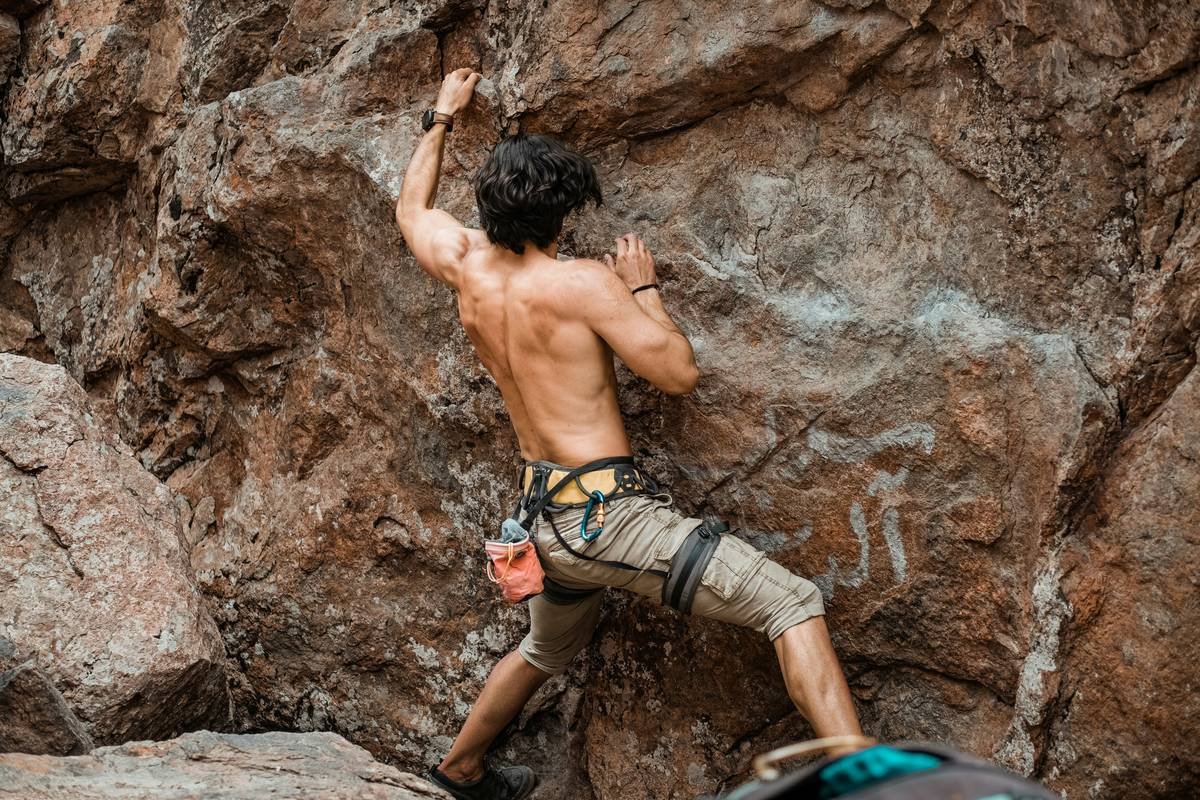
Here’s the kicker: your gear—including climbing tights—plays a sneaky role. High-compression tights (like those from brands such as Prana or Lululemon’s Swift line) improve blood flow and give real-time feedback on hip alignment, knee drive, and core engagement. When you’re lighter *and* more aware of your body, efficiency skyrockets.
Optimist You: “Lose weight, climb harder!”
Grumpy You: “Ugh, fine—but only if I can still eat peanut butter straight from the jar post-session.”
Step-by-Step Plan for Sustainable Weight Loss That Supports Climbing
How do I lose weight without losing climbing performance?
Forget fads. This 4-phase approach works because it’s built for climbers—not Instagram models.
Phase 1: Audit Your Energy Balance (Not Just Calories)
Use an app like Cronometer for 7 days. Track everything—yes, even that post-send IPA. Focus on energy availability (EA): calories left after training. For climbers, EA should stay above 30 kcal/kg of fat-free mass/day to avoid RED-S (Relative Energy Deficiency in Sport), which causes bone loss and fatigue (Mountjoy et al., 2018).
Phase 2: Time Carbs Like a Pro
Eat 30–50g carbs + 20g protein within 45 minutes post-climb. This replenishes glycogen without spiking insulin long-term. My go-to? Greek yogurt with berries and a drizzle of honey—chef’s kiss for drowning recovery cravings.
Phase 3: Prioritize Protein Distribution
Aim for 1.6–2.2g protein/kg body weight daily, split across 4 meals. This preserves lean mass while in a deficit. Example: 70kg climber = 112–154g protein/day.
Phase 4: Adjust Based on Session Intensity
Hard projecting day? Eat at maintenance. Easy endurance session? Slight deficit (~300 kcal). Never cut calories on back-to-back heavy days.
Best Practices: Fuel, Recovery & Gear Hacks
What “healthy weight loss” actually looks like for climbers
- Never drop below 1,800 kcal/day unless supervised by a sports dietitian.
- Weigh yourself weekly—not daily. Water retention from inflammation (hello, skinning hands!) causes wild fluctuations.
- Wear form-fitting climbing tights during training. They highlight inefficient movement patterns (e.g., sagging hips on slabs) faster than baggy pants.
- Sleep 7–9 hours. Poor sleep increases ghrelin (hunger hormone) by 15% (Pflüger et al., 2021).
- Hydrate with electrolytes, especially if cutting weight for comp. Dehydration mimics fatigue—and kills finger strength.
⚠️ Terrible Tip Alert: “Just stop eating after 6 PM.” Nope. If you climb at 7 PM, that’s starvation fueling your session. Bad move.
Rant: Why “Climb More, Eat Less” is Dangerous Nonsense
Sorry, but telling climbers to “just climb more to lose weight” ignores biomechanics. Overuse + underfueling = perfect storm for pulley tears, stress fractures, and burnout. I’ve seen too many talented climbers vanish from gyms after chasing grades while undereating. Your body isn’t a machine to be starved—it’s a partner to be respected.
Real Climber Case Study: From Plateau to Personal Bests
How Maya dropped 9 lbs in 10 weeks—without missing a session
Maya, 32, V4 climber, hit a wall at Crow Peak (5.11d). She’d gained weight post-pregnancy and felt “sticky” on steep terrain. Instead of dieting, she worked with a sports RD and implemented:
- Protein pacing: 30g at each meal
- Carbs limited to pre/post climb windows
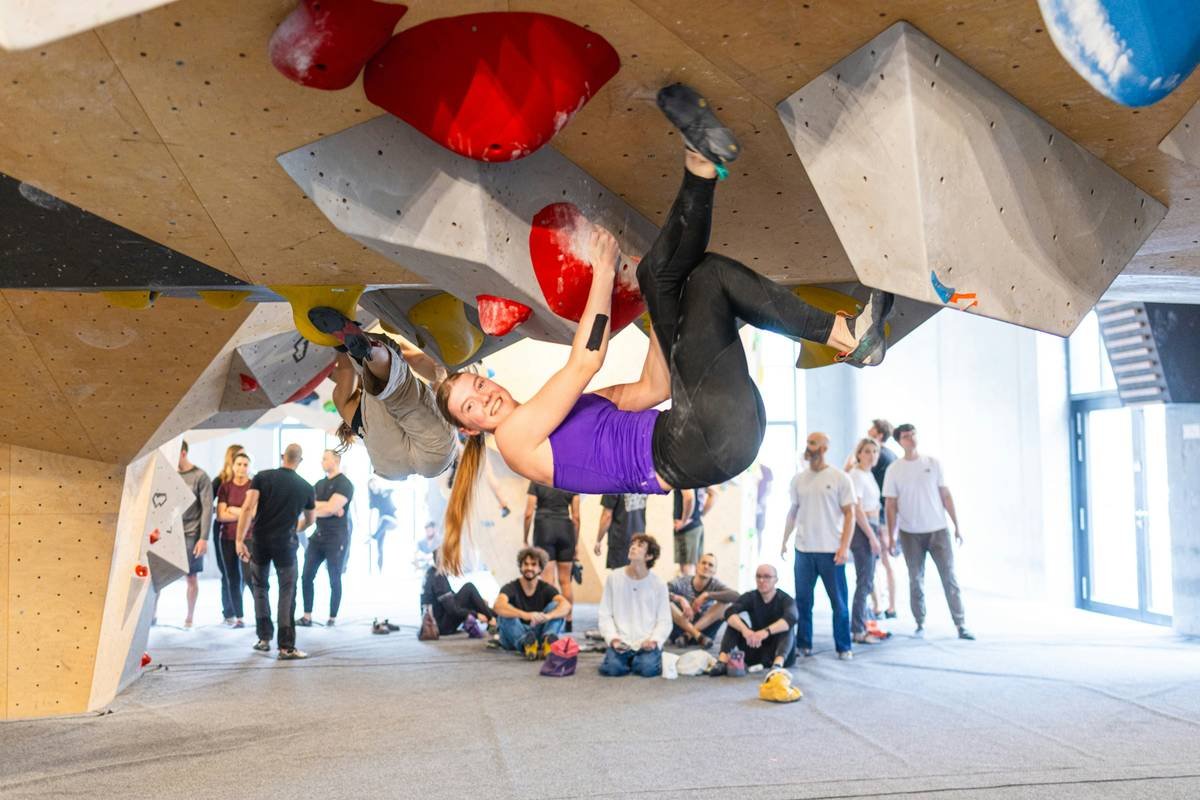
- Daily wear of high-waisted climbing tights for kinesthetic feedback
- Sleep prioritized over late-night projecting
Result? Lost 9 lbs of fat (DEXA scan confirmed), gained 0.5 kg lean mass, and sent her project in week 9. Her secret? “I stopped looking at the scale. I watched how my hips moved on a deadpoint—and adjusted from there.”
FAQs About Weight Loss for Climbing
Will losing weight make me stronger?
Not directly—but it improves your power-to-weight ratio, making existing strength more effective. A 10% weight loss can feel like a 15% strength gain on overhangs.
How fast should I lose weight for climbing?
Max 0.5–1 lb per week. Faster loss risks muscle loss, hormonal disruption, and injury (ACSM guidelines).
Do climbing tights help with weight loss?
Not directly—but they enhance body awareness, helping you move more efficiently (burning more calories per session) and identify areas where technique compensates for excess weight.
Should I cut carbs to lose weight?
No. Climbing is glycogen-dependent. Severely restricting carbs impairs performance and recovery. Focus on whole-food sources timed around sessions.
Can I lose weight while training for a redpoint?
Only if you’re already well-fueled. During peak training, maintain weight. Start fat loss in base-building phases.
Conclusion
Weight loss for climbing isn’t about shrinking—it’s about refining. Strip away non-functional mass, fuel intelligently, and listen to your body through every layer (yes, even your tights). The goal isn’t a number on a scale. It’s floating through that crux sequence like gravity forgot your name.
So next time you zip into your climbing tights, remember: they’re not just fabric. They’re your second skin—and your silent coach in the quest for efficient, powerful, joyful movement.
Like a Tamagotchi, your climbing body needs daily care—not crash diets.
Light feet, strong core,
Tights hug like a coach’s whisper—
Send what once seemed lore.