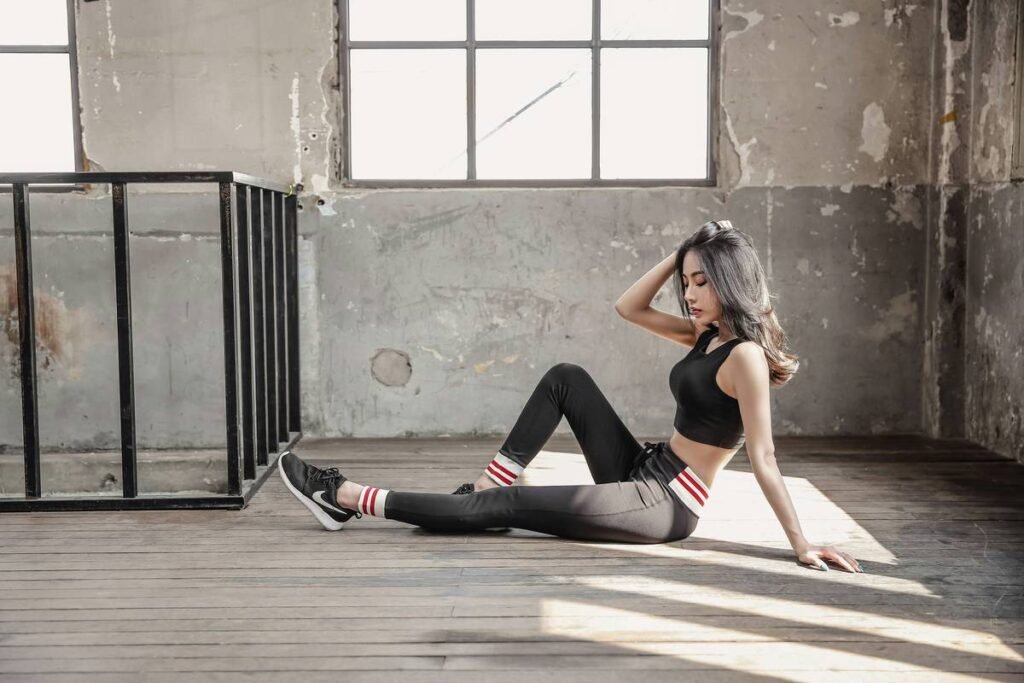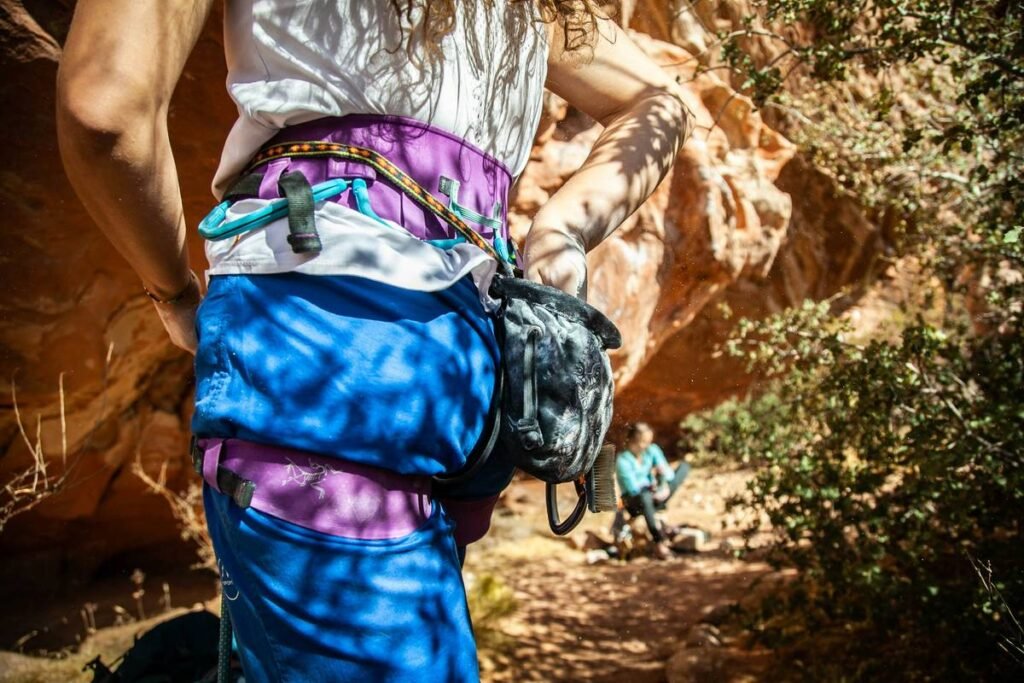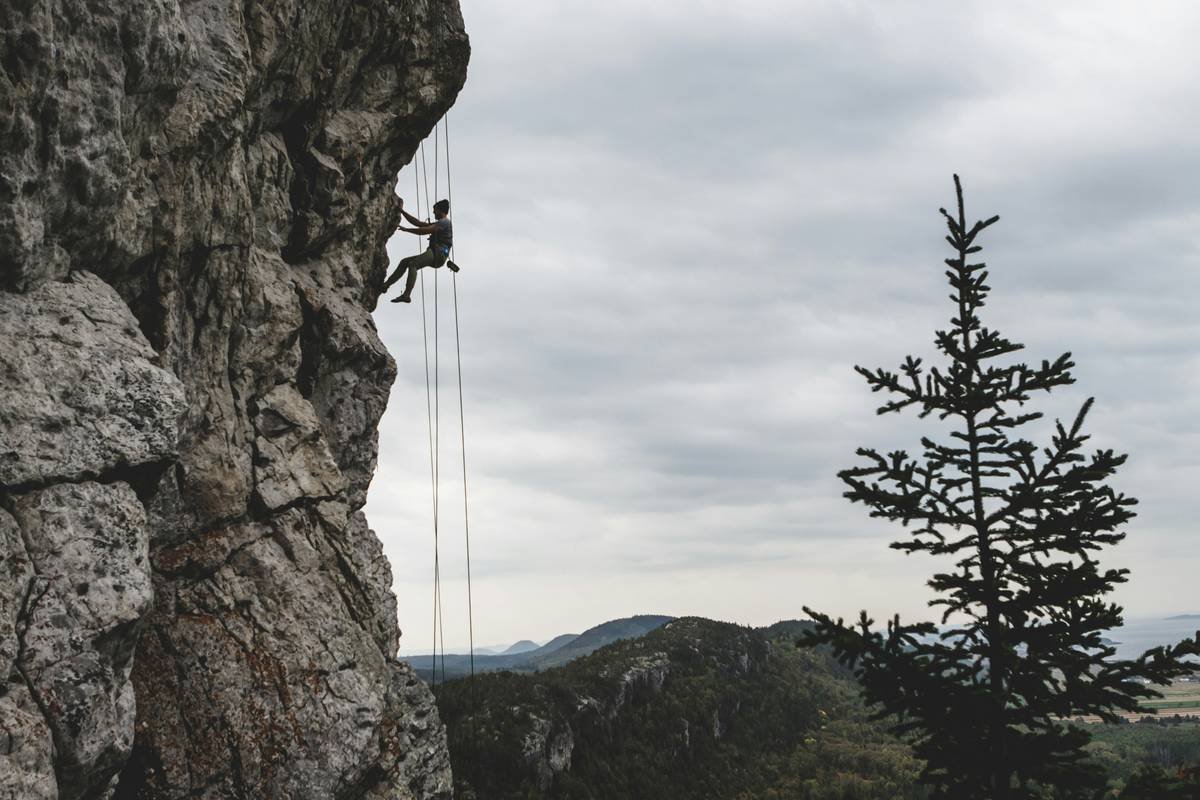
You pull on your favorite pair of “performance” tights—soft, stretchy, Instagram-ready. But halfway up the wall, they sag at the knees, ride up in the worst places, or worse—restrict your hip hinge. The problem isn’t your form. It’s your fabric. Most so-called athletic leggings aren’t engineered for vertical movement—they’re designed for horizontal scrolling. Here’s the fix: true climbing flex gear that moves *with* your body, not against it.
The Illusion of “Stretch”: Why Generic Leggings Fail Climbers
Most brands slap “4-way stretch” on labels and call it a day. But climbing demands something radically different. You’re not just bending—you’re torqueing, smearing, flagging, and heel-hooking in unnatural angles. Standard spandex blends compress unevenly under dynamic load. And sweat? It turns them into slippery second skins that lose grip when you need traction most.
Worse—they degrade fast. After three hard sessions, the elastane breaks down right where your knees grind against rock or plastic. That’s not wear and tear. That’s poor engineering.
Your Step-by-Step Guide to Real Climbing Flex Gear
Look Beyond the Label: Fabric Physics Over Marketing Hype
Ignore buzzwords like “breathable” or “moisture-wicking.” Instead, check the denier count and elastane placement. High-denier nylon (200D+) with strategic elastane panels at hips and knees = true articulation. Flatlock seams prevent chafing during high-step maneuvers.
Fit Isn’t Fashion—It’s Function
Touring pants should feel slightly compressive—not tight, not loose. If you can pinch more than half an inch of fabric at the thigh, they’ll bag out mid-route. If you can’t touch your toes without resistance, they’re too restrictive. The sweet spot? Freedom of movement with zero excess material flapping near footholds.
Durability Where It Matters
Reinforced zones aren’t optional. Look for abrasion-resistant patches at inner thighs, knees, and seat—areas that take constant punishment from rock edges, crash pads, and harness buckles.
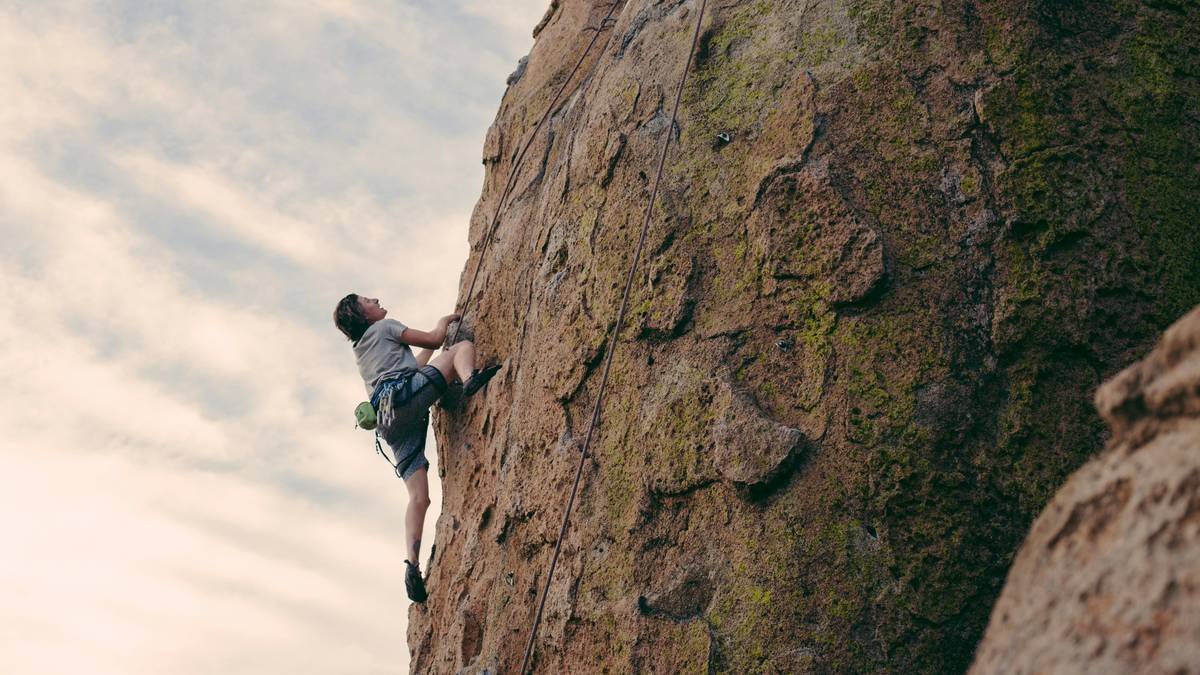
| Feature | Generic “Workout” Leggings | True Climbing Flex Tights |
|---|---|---|
| Fabric Composition | 88% polyester, 12% elastane (uniform blend) | 76% high-denier nylon, 24% zoned elastane (targeted stretch) |
| Seam Construction | Overlock seams (prone to friction burns) | Flatlock + bonded seams (zero chafe) |
| Abrasion Zones | None | Reinforced knees, inner thighs, seat |
| Moisture Management | Surface wicking (gets clammy fast) | Capillary-channel lining (moves sweat laterally) |
| Lifespan (Hard Use) | 3–5 sessions | 30+ sessions |
The Industry Secret: Climbing Brands Don’t Make Their Own Tights
Here’s what no brand admits: most “climbing-specific” tights are OEM rebrands from the same three Asian mills that churn out yoga pants for fast fashion. The real innovation happens in cut—not content. Elite climbers and indie designers (like those supplying AnnamarieLeavy.com) use pattern grading borrowed from mountaineering suits: pre-curved knees, gusseted crotches, and tapered calves that stay locked during toe hooks. This geometry—not just fabric—is what delivers authentic climbing flex. Yet 90% of retailers skip it to save $1.20 per unit. Don’t be their profit margin.
Frequently Asked Questions
Do I really need special tights for bouldering?
Yes. Even short problems demand extreme hip mobility. Regular leggings restrict range and wear through faster on rough volumes.
Can climbing flex tights be worn for running or gym workouts?
Absolutely—but not vice versa. Their reinforced zones and articulated fit handle multi-directional stress better than standard activewear.
How tight should climbing tights feel?
Snug enough to stay put during dynos, but never constricting circulation. You should squat fully without fabric pulling at the waistband.