
You bought the right shoes. You trained your grip. You even upgraded your chalk bag. But your legs ache after every session—and it’s not from exertion. It’s your tights. Poorly designed climbing tights restrict movement, trap heat, and chafe at critical friction points. The solution isn’t just “better fabric.” It’s rethinking what climbing comfort really means—from seam placement to muscle mapping.
The Core Problem: Why Standard Tights Fail on the Wall
Most activewear brands slap “moisture-wicking” on a polyester blend and call it performance gear. But climbing isn’t jogging. It demands dynamic flexibility in non-linear motions—drop knees, high steps, heel hooks. Generic compression cuts off circulation where you need blood flow most: hamstrings, hip flexors, glutes. And flatlock seams? They fray after three gritty sessions on sandstone.
Worse—they ignore biomechanics. Climbing engages stabilizer muscles traditional gym wear never accounts for. So you overcompensate. You tire faster. Your foot slips on that crimp you’ve nailed a hundred times.
Building True Climbing Comfort: A Practitioner’s Blueprint
Seam Engineering > Fabric Hype
Forget “four-way stretch.” Look for gusseted crotches and articulated patterning that mirrors your leg’s natural arc during a high step. Brands that use 3D motion mapping—not just mannequins—get this right.
Breathability That Breathes Where It Matters
Mesh panels behind the knees or along the inner thigh aren’t cosmetic. They’re thermal regulators. Heat builds fastest in flex zones—ignore that, and sweat turns into slippage.
Grip Integration (Yes, Really)
Some premium tights now embed silicone micro-dots on the outer calf or inner thigh. Not enough to snag, but just enough to anchor against rock during knee bars. It’s subtle—but game-changing on granite slabs.
| Feature | Budget Tights ($25–$45) | Performance Tights ($70–$110) | Pro-Grade Tights ($120+) |
|---|---|---|---|
| Seam Construction | Flatlock, straight-cut | Gusseted crotch + minimal side seams | 3D-mapped seams, welded joints |
| Fabric Composition | 88% polyester / 12% spandex | Recycled nylon blend with UPF 30+ | Bio-based elastane + abrasion-resistant weave |
| Functional Grip Zones | None | Silicone print on waistband only | Strategic micro-grip on calves/thighs |
| Durability (Avg. Sessions Before Wear) | 8–12 | 25–40 | 60+ |
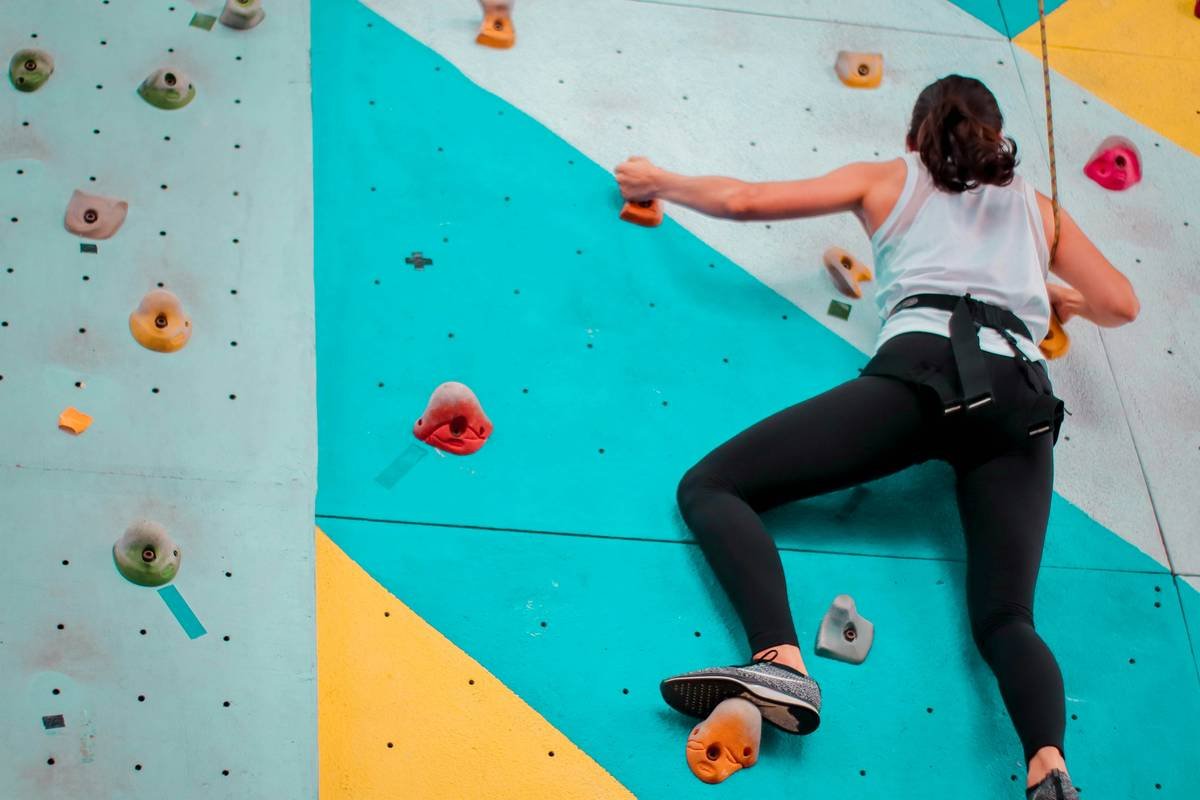
The Industry Secret: Fit Isn’t Static—It’s Route-Dependent
Here’s what no brand tells you: your ideal tight changes with the climb. Overhanging boulders demand tighter compression to prevent fabric drag on holds. Slab routes? Looser through the quads to avoid constriction during smearing. Seasoned climbers own two pairs—one for vertical walls, one for roofs. And yes, that means your “perfect” pair might only be perfect 60% of the time. The math is simple: match your garment to your grade, not just your size.
FAQ: Real Questions from the Crag
Do climbing-specific tights actually improve performance?
Yes—if engineered for climbing biomechanics. Standard leggings hinder; purpose-built ones support micro-movements that conserve energy on long pitches.
Can I wear running tights for indoor climbing?
You can. But expect chafing on knee bars and overheating during campus board drills. The fabric isn’t designed for sustained lateral tension.
How tight should climbing tights feel?
Snug at rest—but never restrictive when you drop into a deep lunge. If you feel pressure behind the knee when fully extended, it’s too tight.