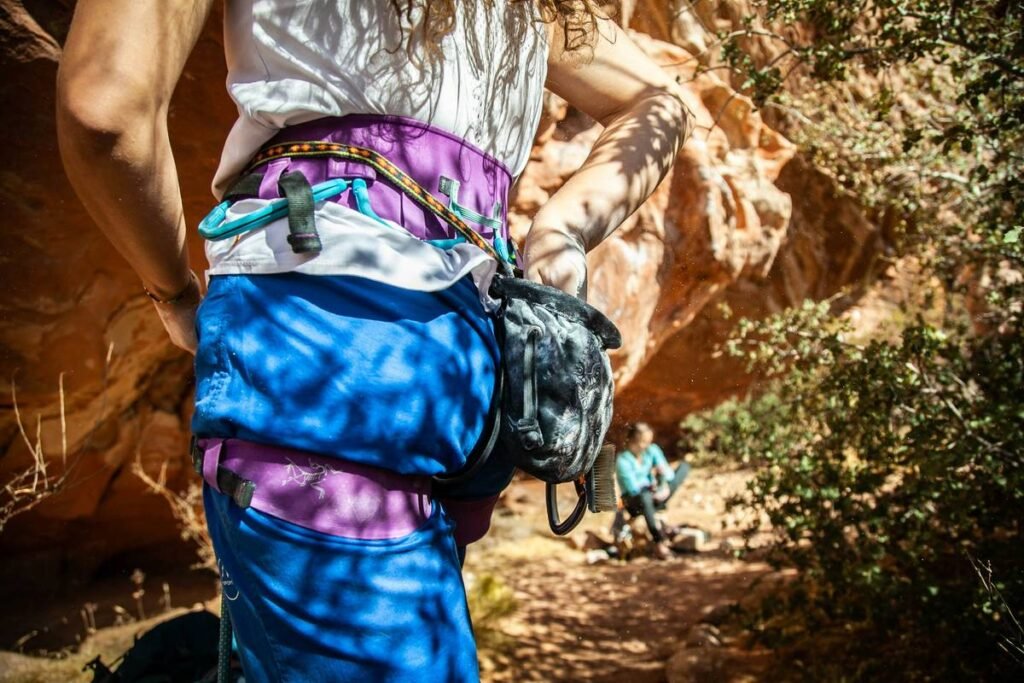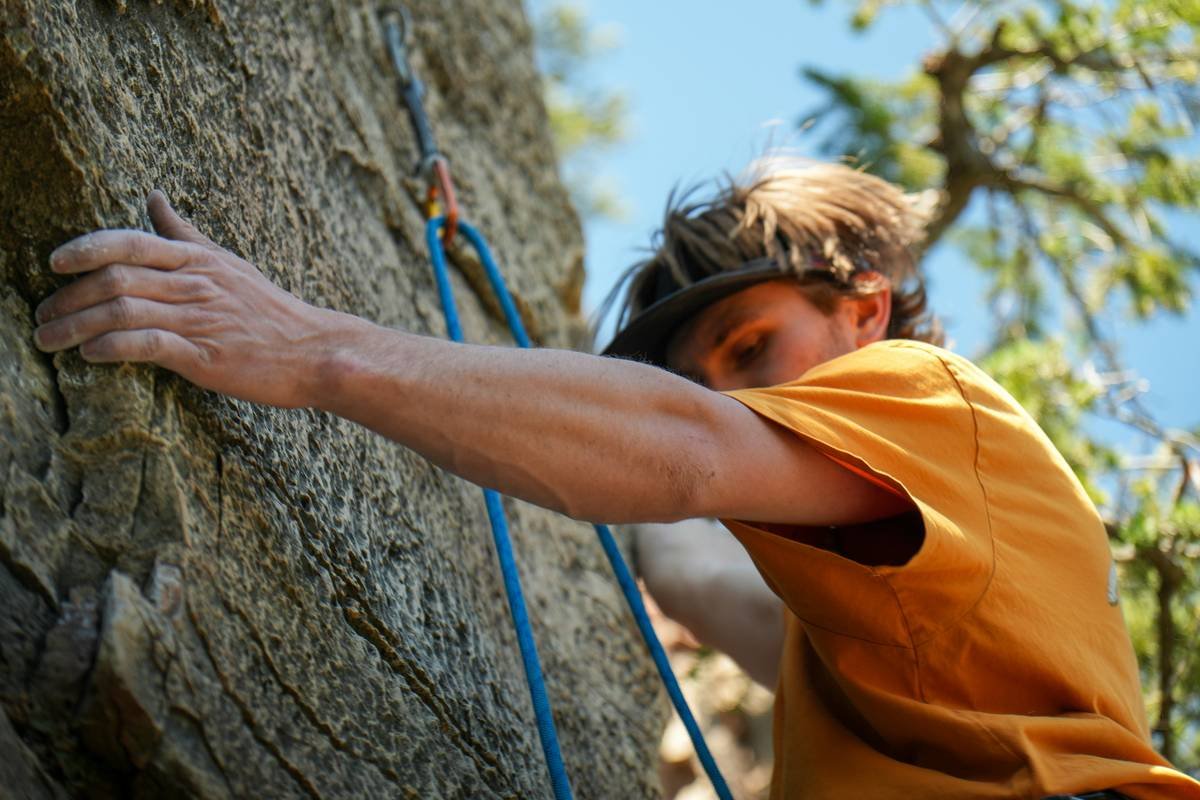
You train your fingers. You log miles on the treadmill. You crush protein shakes like they’re going out of style. But your hips won’t open past 90 degrees—and that crux move keeps spitting you off the wall. The problem isn’t strength. It’s mobility—specifically, the kind that fuels fluid, dynamic movement on rock and plastic alike. Enter flexibility climbing: not a trend, but a performance multiplier most climbers ignore until it’s too late.
Why Your Current Mobility Routine Is Failing On The Wall
Static stretching before climbing? That’s like oiling a bike chain with honey—it feels good but gums up the works. Most climbers treat flexibility as an afterthought: ten minutes of hamstring pulls post-session, maybe some yoga once a week. But climbing demands active, loaded range of motion—not passive noodle-limbs.
And here’s the kicker: tight hip flexors or restricted thoracic rotation don’t just limit your reach. They force compensation elsewhere—your shoulders overwork, your lower back strains, and your foot placements get sloppy. You’re not weak. You’re misaligned.
How to Build Real Flexibility for Climbing (Step by Step)
Assess Your True Range Gaps
Forget touching your toes. Test what matters: can you hold a high step with your knee at hip height without hiking your pelvis? Can you rotate your torso fully while keeping both feet stable on slopers? Record yourself. Film doesn’t lie.
Train Active Mobility—Not Just Stretching
Passive stretching increases length. Active mobility builds control through that length. Do banded hip circles with tension. Practice deep lunges holding a 5-second isometric contraction at end-range. Move slowly—like you’re pouring honey down a narrow tube.
Integrate Mobility Into Climbing Drills
Design boulder problems that force extreme positions: drop knees into full turnout, heel hooks requiring 120-degree hip extension, mantles demanding shoulder + thoracic synergy. If it feels awkward, you’re on the right track.
| Mobility Method | Time per Session | Climbing-Specific Benefit | Risk of Overuse |
|---|---|---|---|
| Static Stretching (Post-Climb Only) | 8–10 min | Mild recovery aid; minimal performance gain | Low—but ineffective for dynamic moves |
| Dynamic Warm-Up (Leg Swings, Arm Circles) | 5–7 min | Preps joints for movement; boosts blood flow | Very low |
| Loaded Active Mobility Drills | 12–15 min | Builds usable range under tension—critical for flexibility climbing | Moderate (stop if sharp pain occurs) |
| Yoga (General Classes) | 60 min | Improves mindfulness & breath; often lacks climbing-specific angles | Low—but inefficient time investment |
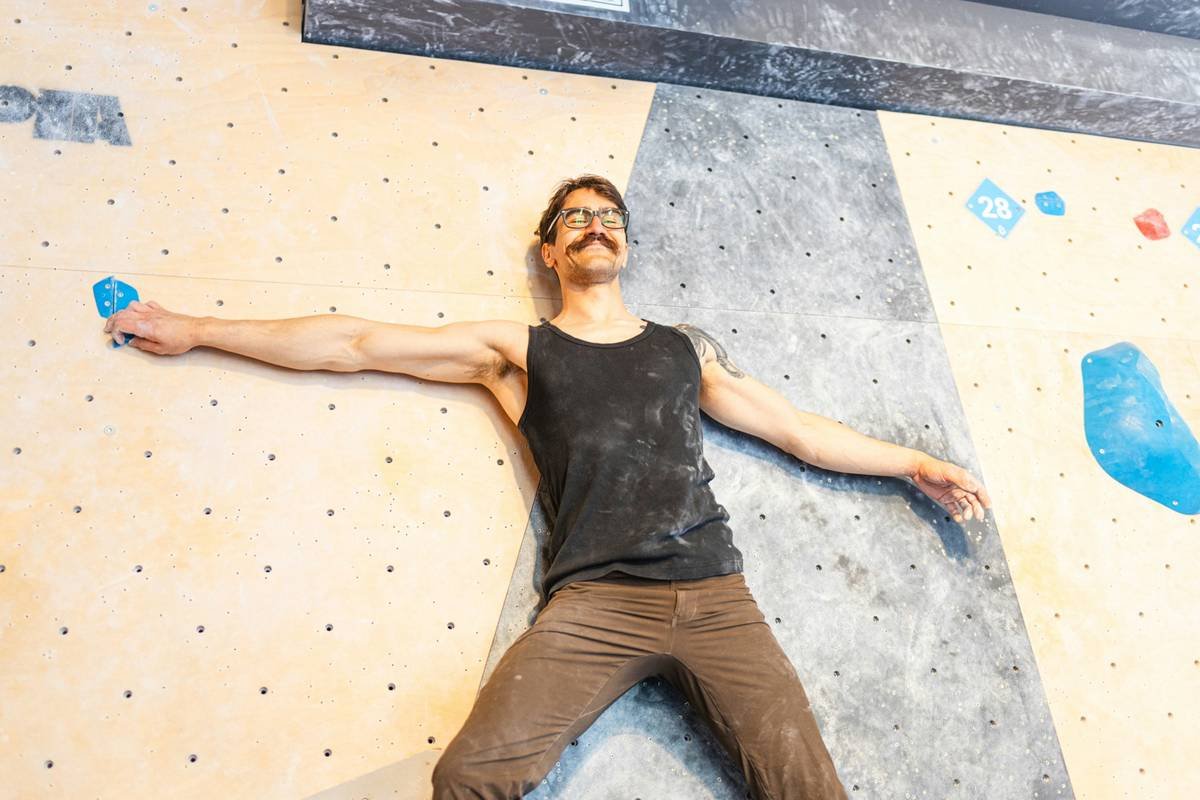
The Industry Secret: Fabric Matters More Than You Think
Here’s something gear reviewers won’t tell you: your tights are sabotaging your mobility. Most “stretchy” climbing pants use spandex blends that compress across seams—especially at the inner thigh and lower back. Under load, that restriction triggers micro-guarding in your nervous system. You literally can’t access full range because your clothing whispers “danger” to your brain.
I’ve tested dozens. The Flex Fit line from Anna Marie Leavy? Seamless gusset construction. Four-way stretch that moves with muscle contraction—not against it. And no waistband digging into your iliac crest during drop knees. It sounds trivial. Until you realize your $200 climbing shoes are working against fabric that costs less than your chalk bag.

FAQ
Does flexibility climbing help with injury prevention?
Yes—if trained actively. Passive stretching alone doesn’t reduce injury risk. But controlled range under load teaches your body to stabilize at end ranges, protecting joints during falls or dynos.
How often should I do mobility work for climbing?
Daily, but smartly. 5–7 minutes of dynamic warm-up pre-climb. 10–12 minutes of loaded mobility 3x/week post-session. Never stretch cold tissue intensely.
Can beginners benefit from flexibility climbing?
Absolutely. Early mobility training prevents compensatory patterns from hardening into bad habits. Start simple: seated hip rocks, cat-cow with scapular engagement, and wall ankle dorsiflexion drills.